
Crawl Space Cleaning in Rainy Season: Moisture, Odors, Pests, and Wood Damage (Bay Area Guide)
If your home smells musty, floors feel damp, or you’ve noticed standing water after Bay Area rains, your crawl space may be the hidden driver. Crawl spaces are out of sight — but they’re not isolated. When moisture builds up below the home, it can impact comfort, odor, and pest pressure.
This guide breaks down:
-
Why crawl space conditions can affect indoor comfort
-
How moisture attracts pests and damages materials over time
-
What professional crawl space cleaning typically includes
-
What’s checked during a proper inspection
-
When cleaning is enough vs when you need a vapor barrier or full encapsulation
-
Cost factors and next steps
✅ Book a crawl space inspection & cleaning estimate
If you suspect moisture, odors, or pest activity under your home, the fastest path to clarity is a crawl space inspection.
Book a Crawl Space Inspection
Why crawl space conditions can affect indoor comfort
Even though the crawl space is below your home, it can still influence how the home feels. Small gaps, utility penetrations, and pressure differences can allow air movement between the crawl space and living space — especially in older Bay Area homes.
That can show up as:
-
musty odors that seem “unexplainable”
-
damp-feeling floors
-
increased dust or irritation in some cases
-
a general sense that the home feels “off” during wet months
You don’t need to assume the worst. But if you’re noticing persistent odor or moisture signs, it’s worth checking the crawl space before it becomes a larger issue.
Moisture = a magnet for pests (and material damage)
Moist crawl spaces create two big problems:
1) Pests like it down there
Many pests seek:
-
shelter
-
consistent humidity
-
hidden travel routes
A damp crawl space can become a comfortable harborage for rodents and insects — and it’s also a place where they can move unnoticed.
If you’ve had rodents in the attic before, it’s especially important to check the crawl space too. Homes are systems, and pests often use multiple zones.
2) Moisture stresses wood and materials over time
Persistent moisture can contribute to:
-
wood deterioration risk (over long periods)
-
insulation sagging or falling
-
corrosion on metal components in some cases
-
conditions that can support microbial growth (avoid panic; focus on prevention)
The point isn’t fear — it’s prevention. A small problem under the home can quietly become an expensive one if ignored.
What crawl space cleaning typically includes
Professional crawl space cleaning isn’t just “pick up junk.” A good cleaning aims to remove what feeds moisture and pests, improve access for inspection, and reset the space.
Common scope items:
-
removal of debris and stored trash that traps moisture and attracts pests
-
clearing organic material (wood scraps, paper, fallen insulation) that can degrade
-
removal of old, fallen, or damaged insulation where appropriate
-
cleanup of visible pest nesting material (when found)
-
improving access paths so inspections and future work are realistic
A cleaner crawl space is easier to maintain — and easier to diagnose.
Fixing the cause: water & drainage basics (what gets checked)
Cleaning helps, but water will return unless the cause is understood.
During crawl space service, teams commonly check for issues like:
-
water entry patterns after rain (where it collects)
-
grading or exterior drainage concerns (as visible/obvious)
-
downspout discharge areas (when accessible)
-
vapor migration from exposed soil (common in many crawl spaces)
-
ventilation patterns and air movement
This doesn’t mean every job includes full drainage engineering — but the goal is to identify the likely moisture drivers so you can prioritize the next step.
Inspection checklist during cleaning
A real crawl space inspection typically includes looking for:
Plumbing and moisture sources
-
active or past plumbing leaks
-
wet insulation or staining on framing
-
pooling/standing water zones
-
condensation patterns
Vents and openings
-
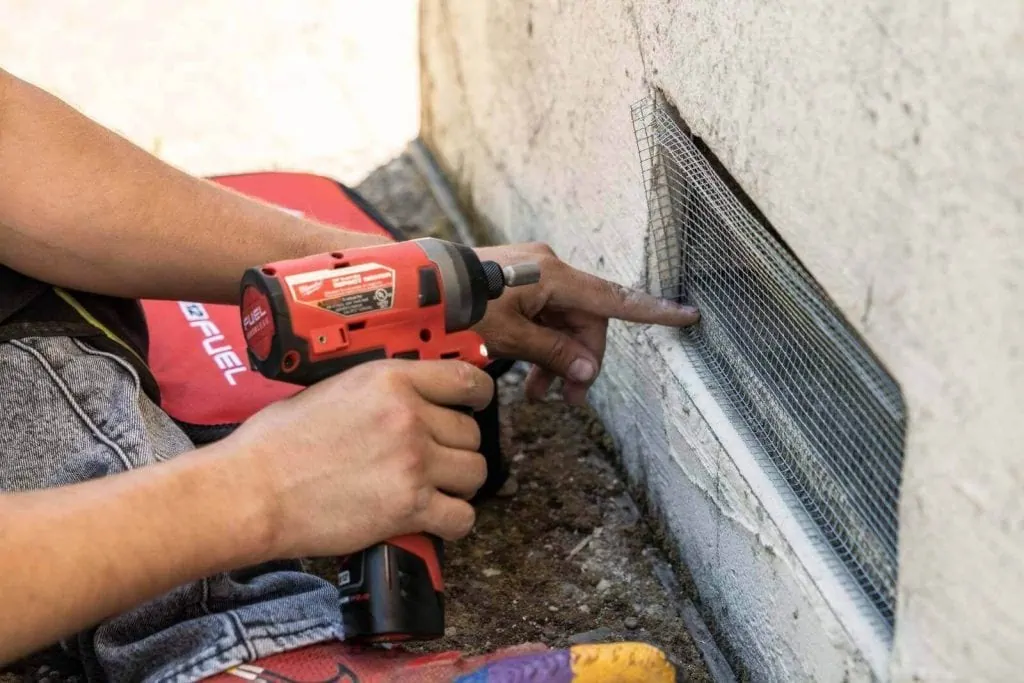
vent condition (damaged screens, large gaps)
-
entry vulnerabilities (especially around corners and penetrations)
Insulation condition
-
sagging or fallen insulation
-
signs of nesting or tunneling
-
damp insulation (often a sign the space needs moisture control, not just “more insulation”)
Wood condition (basic visual assessment)
-
visible staining or deterioration indicators
-
areas consistently damp to the touch (when applicable)
-
why: it helps confirm whether moisture is occasional or chronic
When cleaning is enough vs when you need a vapor barrier or encapsulation
Cleaning may be enough if:
-
moisture is occasional and resolves quickly after rain
-
there’s no recurring odor issue
-
insulation is mostly intact
-
no clear signs of persistent pest activity
-
the crawl space is generally dry for most of the year
You should consider a vapor barrier if:
-
exposed soil is contributing to humidity
-
musty odor returns during wet months
-
the crawl space frequently feels damp
-
insulation repeatedly sags or gets wet
Full encapsulation may make sense if:
-
moisture is persistent season after season
-
you want a long-term “system” approach (sealed + controlled)
-
pests keep finding pathways through vents/openings
-
comfort and odor improvements are a priority
If you’re unsure, an inspection and basic moisture assessment usually makes the decision obvious.
Vapor Barrier Installation
Crawl Space Encapsulation
Cost factors (what influences pricing)
Crawl space cleaning pricing varies based on:
-
crawl space size and clearance height
-
access difficulty (tight entries, obstacles)
-
debris volume and disposal needs
-
moisture severity (standing water vs dampness)
-
insulation condition (spot removal vs more extensive)
-
whether pest activity is present (and if exclusion is needed)
A scope-based estimate is the only way to be accurate — and it prevents surprise add-ons.
Next steps: a simple plan that works
-
Inspect the crawl space (moisture, odor drivers, access, pests)
-
Clean and remove debris to reset the environment
-
Address obvious moisture contributors (where applicable)
-
Decide on vapor barrier vs encapsulation based on conditions
-
If pest signs exist, implement exclusion so the space stays clean
✅ Book a crawl space inspection & cleaning estimate
Book a Crawl Space Inspection
FAQ
Is standing water normal after rain?
Occasional dampness can happen, but standing water is a sign to investigate. It can indicate drainage issues, low spots, or persistent moisture entry that shouldn’t be ignored.
Do crawl space vents help or hurt?
It depends on the home and conditions. Vents can help in some climates and seasons, but in damp conditions they may introduce moisture and create pest entry points. An inspection can clarify what’s best for your specific crawl space.
Why does the house smell musty?
Musty odor is often tied to moisture and organic materials. Crawl spaces with damp soil, debris, or wet insulation can generate odor that becomes noticeable inside the home.
Can rodents live under the house?
Yes. Crawl spaces can offer shelter and hidden travel routes. If you see droppings, gnaw marks, damaged vent screens, or nesting signs, exclusion may be needed.
How often should a crawl space be cleaned?
There’s no single schedule. If your crawl space stays clean and dry, it may only need periodic checks. If you have seasonal moisture or past pest activity, more frequent inspections are smart — especially after heavy rain.