
Attic Services
Attic Cleaning After Rodents: Safe Cleanup & Recovery
February 12, 2026
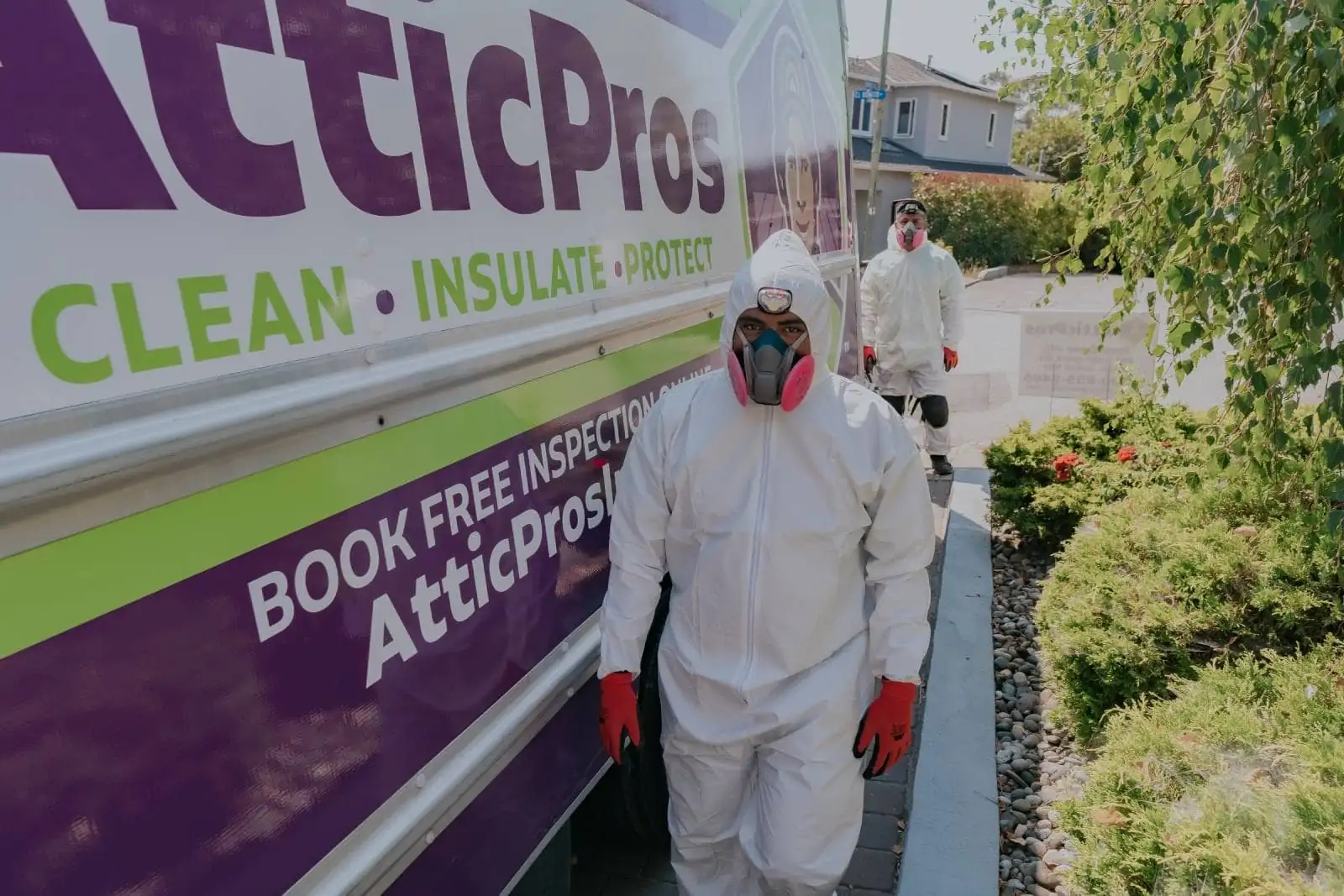
If you’ve dealt with rodents — or you suspect you have — the attic is often where the real damage hides. Even after the scratching stops, droppings, urine, and contaminated insulation can linger and continue to cause odor, irritation, and comfort issues.
This guide explains what to do safely, what to avoid, and how a professional attic sanitation process typically works — especially for Bay Area homes where seasonal moisture and older construction can make attic air leaks more common.
In this article:
-
Why attic conditions can affect indoor comfort
-
What makes rodent contamination a problem (without fear-mongering)
-
The biggest cleaning mistakes homeowners make
-
A step-by-step professional attic cleaning workflow
-
When insulation removal is necessary (vs spot cleanup)
-
Cost factors and next steps
✅ Schedule an attic inspection / sanitation estimate
If you’re seeing droppings, odor, or damaged insulation, start with an inspection and scope.
Schedule an Attic Inspection
Why attic problems can affect living areas
Most people think of the attic as “separate” from the home. In reality, many homes have small gaps, penetrations, and bypasses that can allow attic air and dust to move into living spaces — especially when:
-
bathroom fans or ducting aren’t perfectly sealed
-
recessed lights or ceiling penetrations leak air
-
attic hatches aren’t gasketed
-
the home experiences pressure changes (wind, HVAC use, stack effect)
That doesn’t mean your attic is constantly dumping dust into your bedrooms — but it does mean attic issues can influence indoor comfort and perceived air quality, particularly when insulation is disturbed or contaminated.
What makes rodent-contaminated attics risky (without panic)
Rodent activity in an attic can create a mix of problems:
-
Odor: urine can create persistent smells that return during humidity changes
-
Allergens and irritation: droppings and dust can be irritating when disturbed
-
Contaminated insulation: rodents burrow, nest, and tunnel through insulation
-
Attractant trails: scent patterns can make the attic “familiar” to future intruders
-
Damage: gnawed materials, ducting issues, and sometimes wiring concerns
Important note: you don’t need to panic — but you do want to treat contamination seriously and avoid turning cleanup into airborne dust.
What NOT to do (common mistakes)
Homeowners often try to “quick clean” the attic after rodents. The intent is good, but some methods can make things worse.
Avoid these common mistakes:
-
Dry sweeping or brushing droppings (can create airborne dust)
-
Using a household vacuum without HEPA filtration
-
Disturbing or mixing insulation (spreads contamination and dust)
-
Cleaning without proper protection (especially in tight attic spaces)
-
Masking odors with sprays instead of removing the source
-
Skipping exclusion (cleaning without sealing entry points invites a repeat)
If rodents can still enter, sanitation becomes a repeating expense.
Professional attic cleaning process (step-by-step)
A professional attic cleaning and sanitation job is typically structured to reduce dust spread, remove contaminated materials, and reset the space so the home can be protected long-term.
Containment & PPE (protecting your home and crew)
-
Controlled access to limit tracking dust into living areas
-
Protective equipment (PPE) appropriate to the conditions
-
Safe handling procedures for contaminated debris
-
Work strategy designed to minimize “stirring up” insulation
Insulation removal (vacuum-based when appropriate)
If insulation is contaminated or heavily tunneled, removal is often the only meaningful reset.
A common professional approach:
-
Specialized vacuum removal equipment to extract insulation efficiently
-
Controlled bagging and disposal
-
Avoiding unnecessary disturbance of clean areas (if partial removal is possible)
Sanitation / decontamination (odor and attractant reset)
Cleaning is not the same as decontamination. Professional sanitation may include:
-
removing visible contamination and waste
-
treating surfaces to reduce odors
-
addressing “scent trails” that can attract new rodents
-
neutralizing the conditions that make the attic feel “habitable”
Disposal & cleanup
A proper job ends with:
-
removal of contaminated debris and insulation
-
cleanup of work paths and access points
-
clear documentation of what was done (scope and findings)
Air sealing before new insulation (bridge to efficiency)
After removal and sanitation, the best time to improve comfort is before new insulation goes in.
Air sealing focuses on the small gaps that allow conditioned air to escape and attic air to leak down:
-
ceiling penetrations (lights, wiring, plumbing)
-
attic hatch areas
-
fan duct transitions
-
top plates and other bypasses (as applicable)
This step doesn’t just help with energy performance — it can also reduce how much attic dust or odor might travel into living areas.
Attic Insulation Installation
When you need insulation removal vs spot cleaning
Not every attic requires a full insulation removal. The right approach depends on what you find.
Spot cleanup may be enough if:
-
droppings are limited to a small, isolated area
-
insulation is mostly intact (not tunneled or heavily nested)
-
there’s no widespread odor issue
-
entry points have already been addressed (or will be immediately)
Full or partial insulation removal is often recommended if:
-
droppings or urine appear across multiple zones
-
insulation is visibly disturbed, tunneled, or matted
-
odors persist and “come back” during humidity changes
-
you’re planning to restore attic performance (comfort/efficiency) anyway
The goal isn’t to sell removal — it’s to avoid spending money on “spot cleaning” that doesn’t actually reset the problem.
Cost factors (what influences pricing)
Attic sanitation pricing typically depends on:
-
attic size and accessibility
-
contamination level (localized vs widespread)
-
whether insulation removal is needed (full vs partial)
-
disposal requirements and labor intensity
-
whether exclusion work is required (or already completed)
-
optional upgrades: air sealing, new insulation installation
The fastest way to get a real scope is a professional inspection.
Next steps: inspection + scope (simple and effective)
-
Confirm entry points (or verify exclusion is done)
-
Inspect attic conditions (droppings, odor, insulation integrity)
-
Define scope (spot sanitation vs removal + full reset)
-
Sanitize and clean safely
-
Air seal + reinstall insulation (if applicable)
-
Follow-up to confirm the space stays clean and protected
✅ Schedule an attic inspection / sanitation estimate
Attic Cleaning
FAQ
Is it safe to clean rodent droppings myself?
Small, isolated cleanup can be manageable for some homeowners, but it’s easy to spread dust without proper equipment. If contamination is in insulation or across multiple areas, professional cleanup is usually safer and more effective.
Do odors come back after cleaning?
They can, if the source (contaminated insulation, urine saturation, or entry points) wasn’t fully addressed. Decontamination focuses on removing/neutralizing the source — not masking it.
Do you need to replace insulation after rodents?
Not always. But if insulation is tunneled, heavily nested, or contaminated across multiple zones, replacement often becomes the most reliable fix.
What is decontamination vs cleaning?
Cleaning removes visible debris. Decontamination focuses on reducing odor, residue, and attractant conditions so the space is truly reset.
How long does professional attic cleaning take?
It depends on attic size, accessibility, and scope (spot cleanup vs removal). An inspection helps determine realistic timing.
Will this help energy bills?
If the job includes air sealing and properly installed insulation, it can improve comfort and reduce heating/cooling losses. Results vary based on the home.
