Skip to content
Call Our Attic Cleaning, Crawl Space Cleaning, Rodent Removal Experts Today!
Attic Pros
Bay Area Foam Board Insulation · Licensed · 13+ Years

Foam Board Insulation in the San Francisco Bay Area

Rigid foam panels deliver a high R-value in a thin profile, resist moisture, and give continuous coverage that cuts the heat leaking through your framing — the go-to for rim joists, foundation and crawl-space walls, and tight assemblies.

Free assessmentLicensed (CSLB #1022608)High R per inch13+ years experience
★★★★★4.8
1,900+ Google Reviews
★★★★★4.5
1k+ Yelp Reviews

Free on-site estimate · No pressure · We come to you

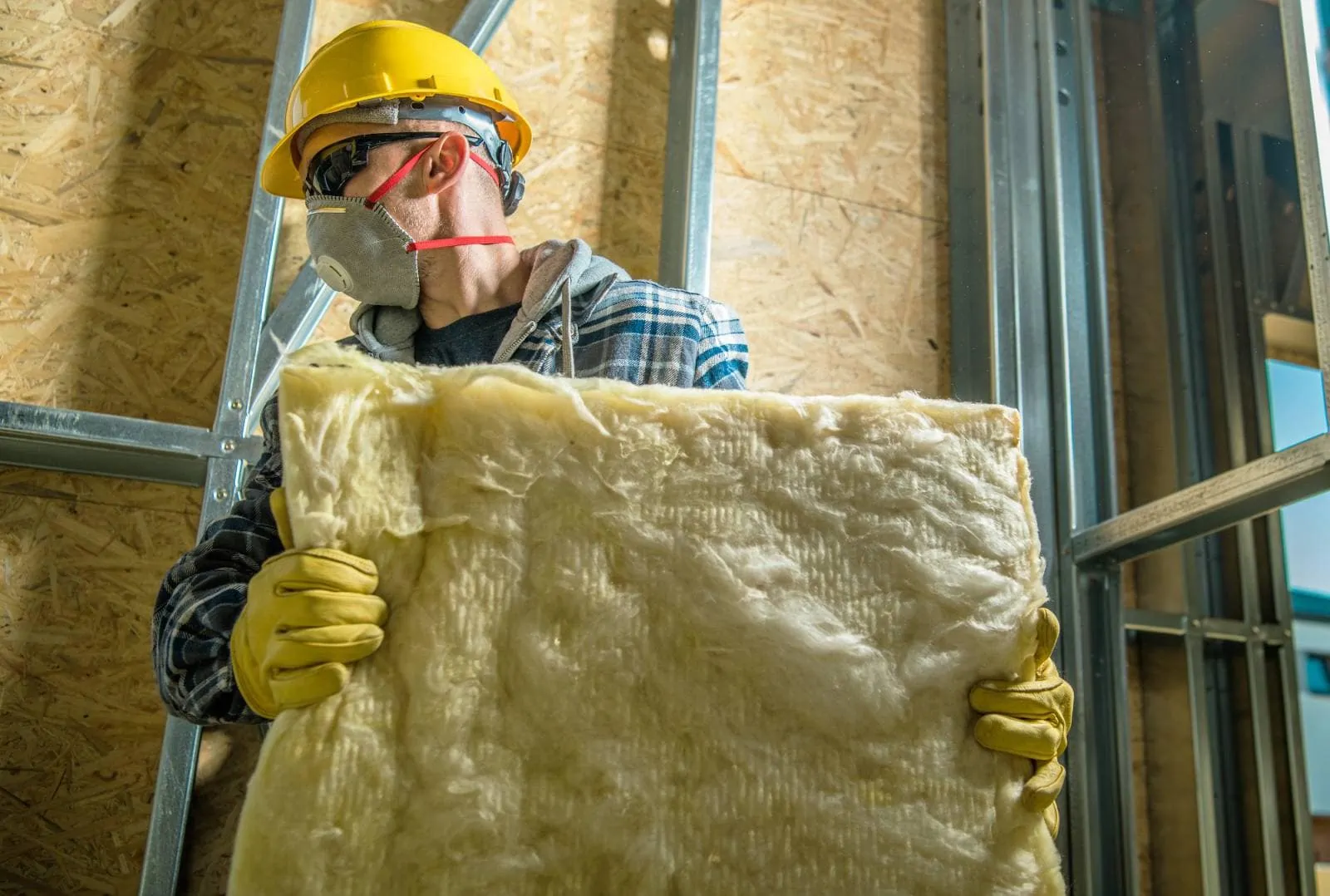
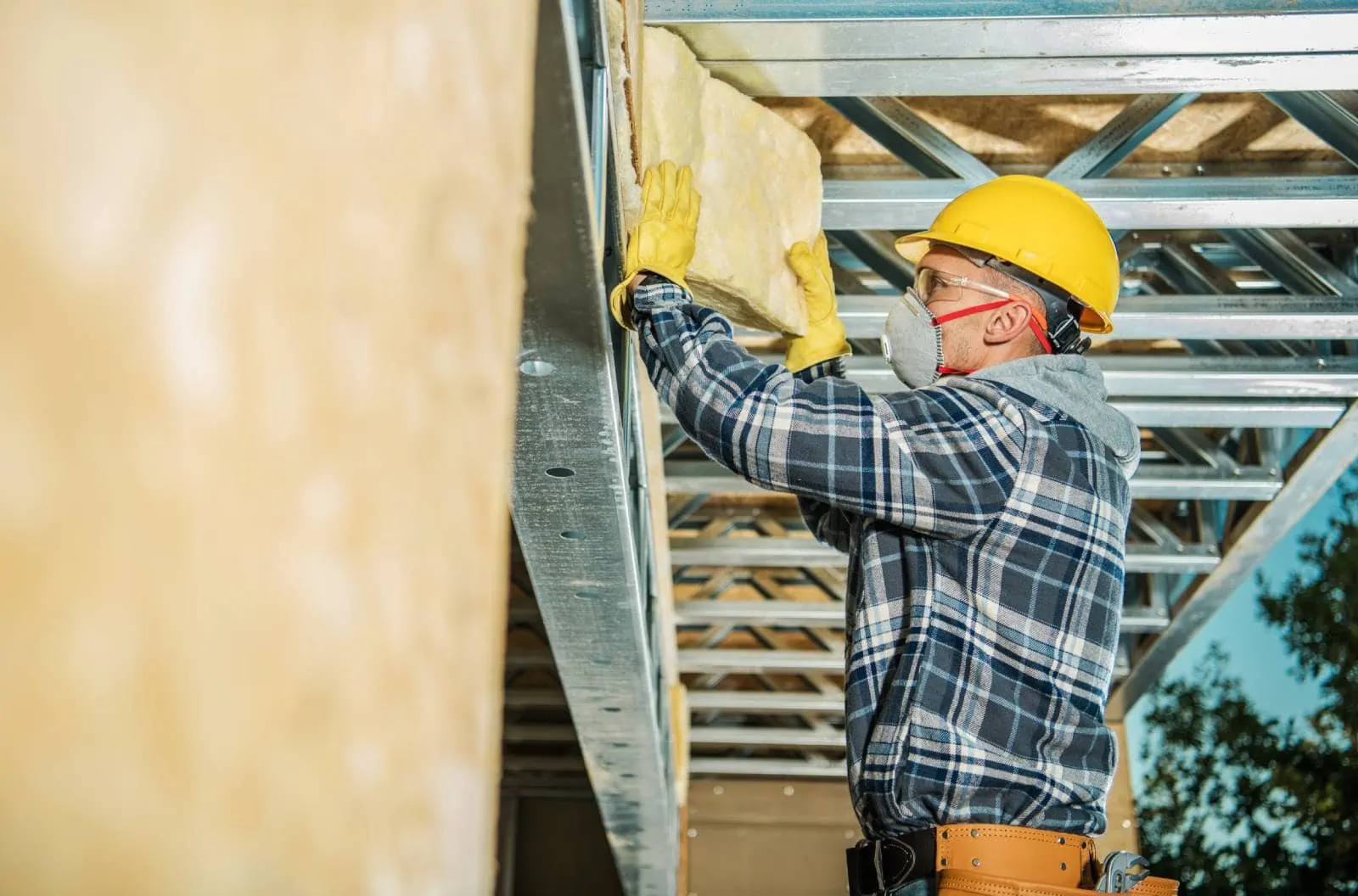
Rigid foam board insulation being fitted and sealed

The High-R,
Moisture-Tough Panel

Foam board is rigid panel insulation — stiff sheets of plastic foam that you cut, fit, and seal into place rather than stuff into a cavity. Two things make it stand out: it packs one of the highest R-values per inch of any common insulation, so it does more in a thin profile, and it resists moisture, so it holds up in damp, below-grade, and exposed spots where fiber insulation would sag and fail.

Because the panels form a continuous layer, foam board also cuts thermal bridging — the heat that shortcuts straight through wood or metal framing. That's why it's the natural pick for rim joists, foundation and crawl-space walls, and roofs, and why it's often paired with cavity insulation rather than used alone. It costs more than a fiberglass batt, so it's about using it where those strengths actually pay off — which is what we help you decide.

  • High R-value per inch — more in less space
  • Resists moisture — good below grade
  • Continuous coverage cuts thermal bridging
  • Rigid — durable and stable over time
  • Great for rim joists & foundation walls
  • Pairs well with cavity insulation

EPS, XPS &
Polyiso

Rigid foam board comes in three generic types. They trade off R-value, moisture resistance, and cost differently — here's the honest comparison, and we'll match the right one to your job.

EPS (Expanded Polystyrene)

The white bead-board panel — the most economical of the three.

Pros
  • Most budget-friendly
  • Holds its R-value over time
  • Works below grade with drainage
Trade-offs
  • Lowest R per inch of the three
  • Absorbs more moisture than XPS

XPS (Extruded Polystyrene)

The dense colored board (often pink/blue) built for moisture.

Pros
  • Strong moisture resistance
  • Solid R per inch
  • Durable for below-grade walls
Trade-offs
  • Pricier than EPS
  • R can ease slightly over decades

Polyiso (Polyisocyanurate)

The foil-faced board with the highest R of the three.

Pros
  • Highest R-value per inch
  • Foil facing adds a radiant/vapor layer
  • Great for walls & roofs above grade
Trade-offs
  • R drops in very cold temperatures
  • Not the pick for below grade
Request a Free Estimate

When Foam Board
Is the Right Choice

Foam board is a premium material that shines in specific spots — the places its high R and moisture resistance beat a standard batt.

Rim & band joists

Foam board seals and insulates the rim joist far better than a loose batt that sags and leaves gaps in that leaky spot.

Foundation & crawl-space walls

Below grade, rigid foam handles the moisture and stays put where fiber insulation would soak through and lose value.

Thin space, high R needed

Where you can't add cavity depth, foam board's high R-value per inch squeezes more performance out of a shallow assembly.

Stop thermal bridging

A continuous layer of foam over the framing cuts the heat that shortcuts straight through studs and joists.

Damp or exposed areas

In moisture-prone spots, XPS and polyiso keep performing where batt or cellulose would sag, mat, and fail.

Cathedral ceilings & roofs

In vaulted assemblies with little cavity, rigid boards deliver continuous coverage that cavity insulation can't.

Not sure foam board is the right material — or whether batt, cellulose, or rockwool would serve better? Book a free assessment and we'll give you an honest recommendation for your space.

Our Foam Board Insulation Installation Process

Foam board only performs when the panels are cut tight, sealed continuous, and covered to code. Here's how we handle every install.

Free assessment

We inspect the space and your goals — R-value, moisture, thermal bridging — and confirm whether foam board is the right call or a cavity material would do.

Select board type & thickness

We recommend EPS, XPS, or polyiso and the right thickness to hit your R-value and moisture target for the location.

Prep & remove if needed

If existing insulation is old, wet, or contaminated, we remove and haul it away so the foam board seats on a clean, sound surface.

Cut, fit & seal

We cut the panels to size, fit them tightly, and seal seams and edges so the layer stays continuous — plus a code-required cover where the foam is exposed to living space.

Verify & clean up

We confirm full, gap-free coverage and proper sealing, clean up completely, and walk you through the finished job.

Free assessmentLicensed (CSLB #1022608)Sealed, code-compliant install
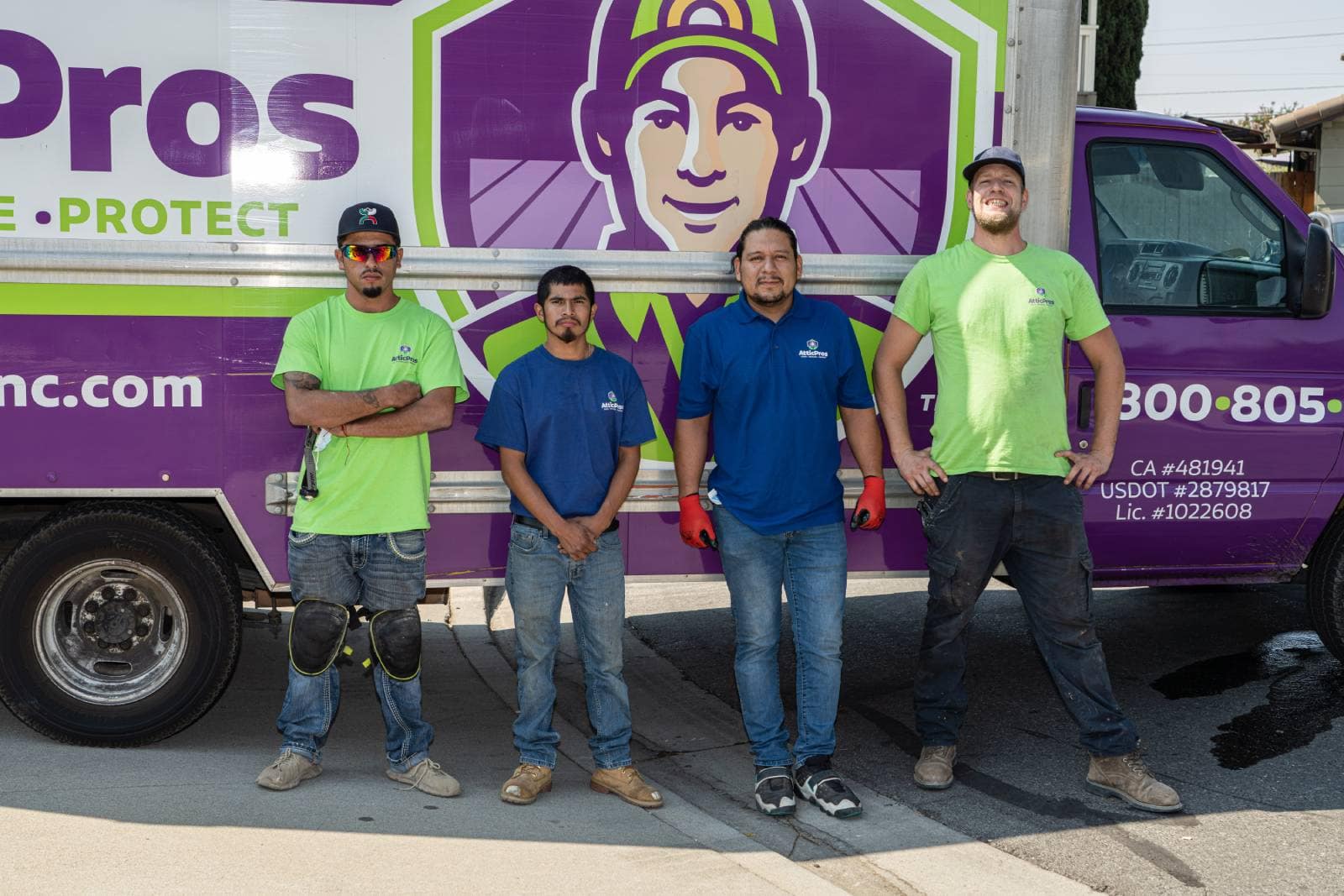
Attic Pros insulation team

The Bay Area's Trusted
Insulation Installers

For over 13 years, Bay Area homeowners and businesses have trusted us for insulation — because we recommend the right material for the job (not just the priciest), install it properly and to code, and stand behind our work.

  • Licensed contractor (CSLB Lic. #1022608)
  • SPCB-registered for pest-related work (Co. Reg. #9901)
  • Diamond Certified & Angi Super Service Award winner
  • Independently reviewed — verified Google ratings
  • Free, no-obligation on-site assessment
  • Local team with 13+ years in Bay Area homes

Trusted by Bay Area Homeowners

4.8
★★★★★
Based on 1,900+ verified Google reviewstrusted for insulation & home services across the Bay Area
Google Review
★★★★★

Finding out we had a rodent infestation for the first time was incredibly stressful, but Attic Pros made the entire process so much easier! Jeremy was very knowledgeable when help preparing the estimate and the work that needed to be done. Their team that came to perform the work—Nico Otten, Juan Rodriguez, and Antonio Lopez—were amazing from start to finish. Communication was fantastic right from the beginning. The crew was super fast, highly efficient, and left everything very clean after sanitizing our attic, crawl space, and garage. They definitely gave us total peace of mind. They were also able to finish in one day!!

Annie M
recently
Google Review
★★★★★

Our small cottage has a very narrow attic entrance. Denis from Attic Pros was willing to try and was able to enter to clean, vacuum, and replace the old insulation. Very professional, access areas were well shielded and protected. Powerful vacuum and clean up well after themselves.

Morgan Yang
recently
Google Review
★★★★★

Tom Best came to our house to give us an estimate on new insulation. He was on time, very thorough and provided a detailed very reasonable estimate within an hour of his visit. What more could you want?

B Kellar
recently
Google Review
★★★★★

Samim great service my attic was left very clean meticulous. I am so happy with the work that him and his team did great service. I recommend them highly. I would give them a 10 if I could.

Darlene Galindo
2 weeks ago
Google Review
★★★★★

David from Attic Pros was professional, knowledgeable, and thorough. He clearly explained the extent of our rodent problem in the attic and showed us detailed photos and videos so we could fully understand the damage. He took the time to explain exactly what the rodents had caused and walked us through how the repairs would be completed. David was friendly, patient, and easy to talk to, making the entire process much less stressful. We really appreciated his honesty and professionalism.

Carmen Plascencia
3 weeks ago
Google Review
★★★★★

We cannot say enough good things about Attic Pros! From start to finish, it was a great experience. We initially called for attic, crawl space and duct cleaning, as well as rodent proofing (sealing vents, etc). Samim came out and did a very thorough evaluation, showing us dozens of photos of areas that needed attention. He also recommended new insulation, which we hadn’t considered and told us our dryer vent needed repair. It took us a few weeks to schedule, during which time Samim followed up periodically, never pushy, always answering our questions and providing more info. His professionalism and knowledge was a huge reason why we chose to work with Attic Pros. On the day of the job, Osman and crew cleaned the attic and crawl space and installed new installation, while Douglas repaired the dryer vent and Kevin cleaned the ducts. They did an amazing job sealing off the work areas and keeping the house clean, despite it being very messy and grueling work! They spent about 3 hours vacuuming the attic and another half a day sweeping the crawl space by hand. Their attention to detail was above and beyond what we expected. We were sooo impressed! And Samim’s recommendations were spot on - our dryer is much more efficient now and we noticed the house was cooler within hours of the new insulation being installed (it was the height of summer). We’d use and recommend them again and again!

Courtney Jung
3 weeks ago

QUESTIONS, ANSWERED

Frequently Asked Questions

Straight answers to what people actually ask about foam board — the types, its R-value and moisture resistance, and how it compares. Still weighing your options? Our team is happy to help.

Still have questions?

Talk to our team — we're here to help.

(800) 543-0382
It's rigid panel insulation — stiff sheets of plastic foam that are cut, fit, and sealed into place rather than stuffed into a cavity like a batt. It's valued for a high R-value in a thin profile, moisture resistance, and continuous coverage that cuts heat loss through framing.
They're the three generic types of foam board. EPS (expanded polystyrene) is the economical white bead-board; XPS (extruded polystyrene) is the denser colored board built for moisture; and polyiso (polyisocyanurate) is the foil-faced board with the highest R-value per inch. Each trades off R-value, moisture resistance, and cost differently, and we match the right one to your job.
It's among the highest per inch of common insulations. Roughly speaking, EPS is the lowest of the three, XPS sits in the middle, and polyiso is the highest per inch — so foam board delivers more R in a thinner layer than fiberglass or cellulose. Your total R-value depends on the type and thickness installed, which we size to your target.
Yes — that's one of its biggest advantages. XPS and polyiso in particular resist moisture well, which is why rigid foam is a strong choice for foundation walls, crawl spaces, and other damp or below-grade spots where fiber insulation would sag and lose performance.
Foam board is a rigid, continuous layer with a high R per inch that cuts thermal bridging through framing. Batt and blown-in are cavity insulations that fit or fill between studs and joists and are more economical for open areas. Foam board wins in tight, damp, or exposed assemblies; cavity insulation wins for filling open attic floors and stud bays. See our batt, cellulose, and rockwool pages to compare.
Common spots include rim and band joists, foundation and crawl-space walls, under slabs, exterior wall sheathing, and cathedral ceilings or roofs — anywhere continuous coverage, a high R in a thin profile, or moisture resistance matters most.
In living spaces, yes. Rigid foam is a plastic-foam product, so building codes generally require it to be covered with a code-approved thermal or ignition barrier (such as drywall) where it's exposed. We handle that to code as part of the installation.
Absolutely — it's often paired rather than used alone. A common approach is continuous foam board over the framing plus a cavity insulation like batt or blown-in inside, combining foam board's thermal-bridge control with the cavity fill's economy. We'll recommend the right combination for your home.
LOCALLY OWNED AND OPERATED

Serving the Greater Bay Area & Sacramento Area

Compare Insulation Options

Ready when you are

Get Your Free Insulation Estimate

Tell us about your project — R-value, moisture, or thermal bridging — and we'll assess the space, recommend whether foam board is the right fit, and give you a clear, no-pressure estimate.

Free inspection
No obligation
No pressure
Written quote