
Insulation
Spring Pest-Proofing Checklist (Bay Area Home Guide)
March 26, 2026
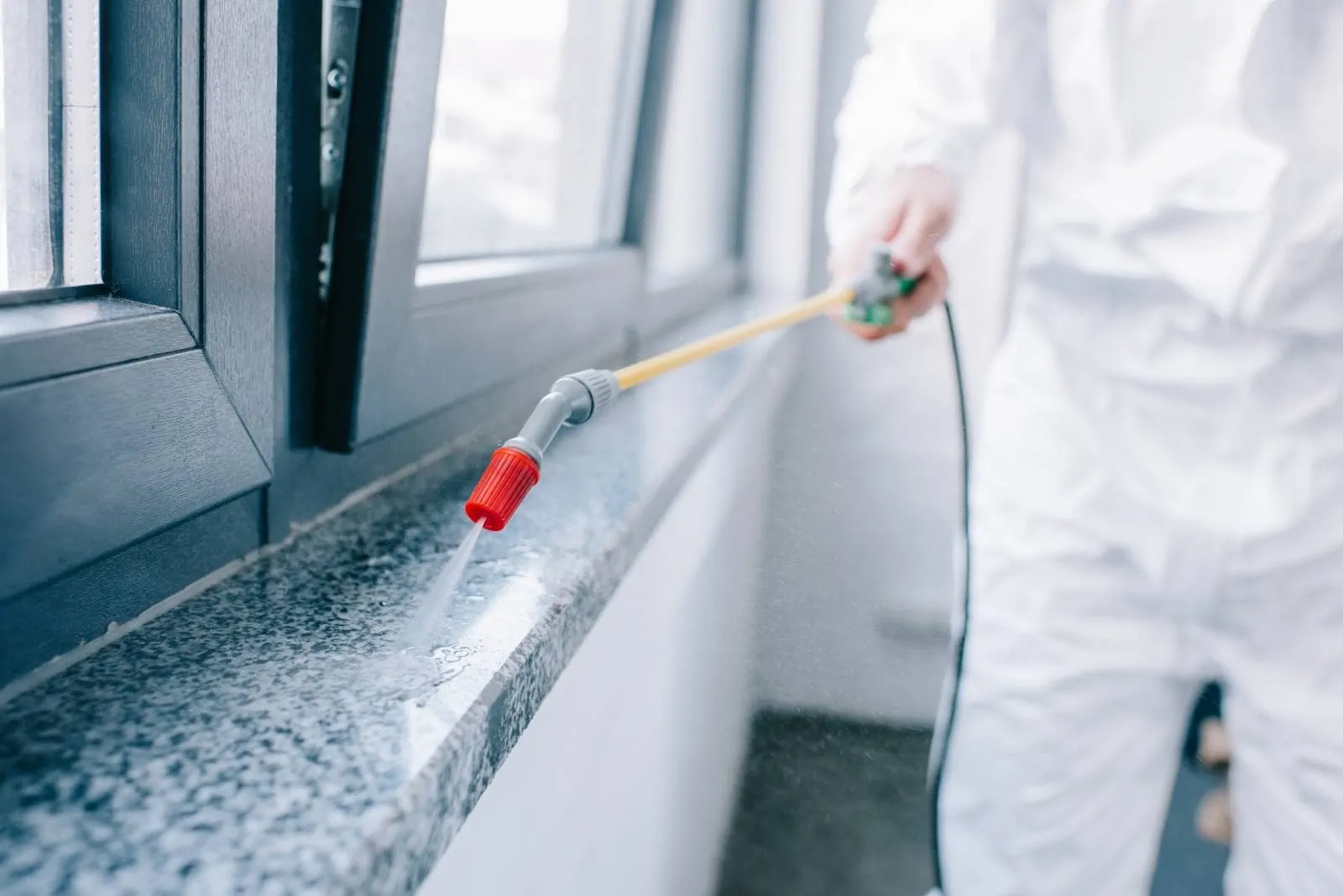
Spring is when pests get busy and homeowners get surprised. Warmer days, leftover moisture from rainy months, and “let’s leave the door open for fresh air” season create the perfect setup for ants, spiders, rodents, and other unwelcome roommates.
This guide is a practical spring checklist to reduce pest pressure in Bay Area homes by focusing on what actually matters:
-
Entry points (screens, gaps, penetrations)
-
Moisture control (the #1 pest amplifier)
-
Maintenance wins that prevent repeat issues
-
When to call which pro (including termite specialists)
No scare tactics. Just prevention that works.
✅ Book a spring home protection inspection
If you want a professional checklist done fast (and correctly), start with an inspection.
Book a Spring Inspection
Why spring is “pest season” in the Bay Area
Spring changes the conditions around your home:
-
increased activity as temperatures rise
-
damp soil and shaded areas hold moisture longer
-
insects search for food and nesting zones
-
homeowners open windows, doors, vents, and garage more often
In other words: spring is when small gaps and moisture issues stop being “minor” and start becoming a pattern.
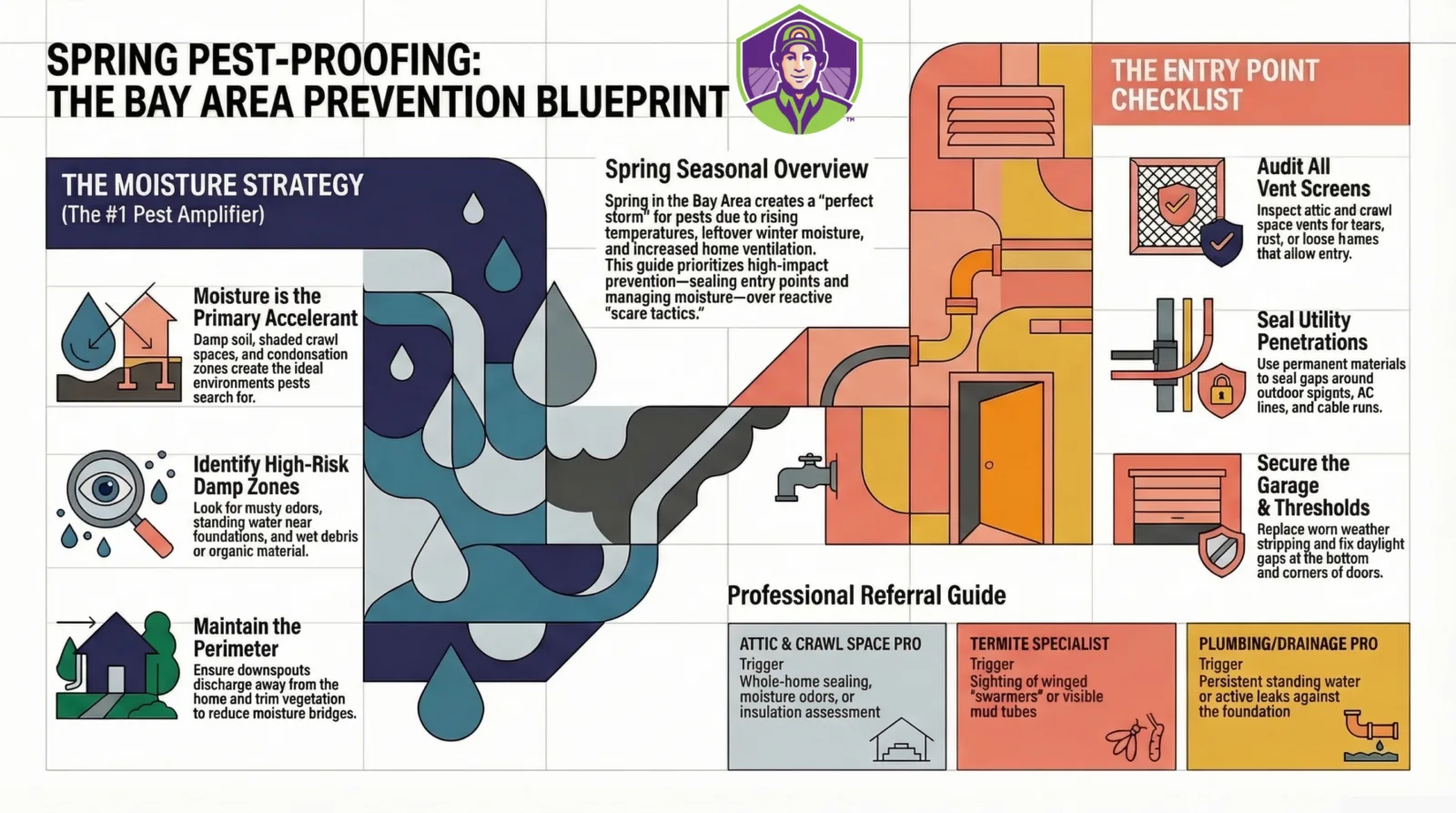
Moisture is the real accelerant (and the easiest win)
Moisture doesn’t automatically cause pests, but it creates the conditions many of them prefer:
-
damp crawl spaces and shaded soil
-
condensation zones
-
standing water near foundations
-
wet debris and organic material
If your home has a musty smell, seasonal dampness, or recurring crawl space moisture, pest-proofing will underperform until moisture is addressed.
Top spring entry points (not just rodents)
This is where pests tend to get in. You don’t need paranoia, just a checklist.
1) Crawl space vents and vent screens
-
damaged screens = open door
-
oversized mesh or gaps around frames = easy entry
-
moisture + dark shelter = pest-friendly
What to do:
-
check screens for tears, rust, loose frames
-
ensure screens are secured and openings are properly protected
2) Attic vents (and roofline openings)
Attics often have vents, small construction gaps, and penetrations that are out of sight.
What to do:
-
visually check vent covers from the exterior when possible
-
look for missing or damaged vent screens
-
after storms, check for displaced covers
3) Pipe penetrations and utility lines
Anywhere a pipe or cable enters the home is a potential gap.
What to do:
-
check around outdoor spigots, AC lines, cable runs
-
seal gaps with appropriate materials (not “random foam everywhere”)
4) Garage edges and door gaps
Garages are common entry zones:
-
door bottom gaps
-
side gaps
-
corners near framing
-
weather stripping failures
What to do:
-
check door sweep condition
-
fix obvious daylight gaps
-
keep stored items off the perimeter (reduces harborage)
5) Doors, windows, and screens (the obvious stuff people ignore)
-
torn screens
-
windows that don’t seal cleanly
-
door thresholds with gaps
Screens, sealing, and maintenance wins (low effort, high payoff)
These are the boring wins that prevent 80% of spring pest issues:
-
Replace torn window/door screens
-
Secure vent screens (crawl + attic where applicable)
-
Seal obvious utility gaps (proper materials, not “quick fixes”)
-
Trim vegetation away from the house (reduces bridges)
-
Store firewood away from the foundation
-
Reduce moisture near the home (downspouts, drainage, standing water)
Nothing here is glamorous. That’s why it works.
When to call which pro (so you don’t waste time)
Call AtticPros (home protection / attic + crawl space systems) when:
-
you want entry point assessment (vents, penetrations, sealing targets)
-
you suspect crawl space moisture is driving odor/pests
-
you want a whole-home approach (attic + crawl space + sealing + insulation)
Call a termite specialist when:
-
you see termite swarmers (winged termites)
-
you find mud tubes or clear termite indicators
-
you need termite-specific inspection/treatment
(AtticPros can still help with moisture and entry condition improvements that support a healthier home environment, but termite treatment is its own specialty.)
Call plumbing / drainage help when:
-
standing water persists near the foundation
-
active leaks are present
-
gutters/downspouts dump water against the home
Spring inspection checklist (quick version)
Outside (10 minutes)
-
check vent screens (crawl + attic where visible)
-
check garage door bottom seal
-
check downspout discharge direction
-
look for standing water areas after rain
-
trim vegetation touching the house
Inside (10 minutes)
-
check for musty smell zones (near floors, closets, bathrooms)
-
check attic hatch seal (if accessible)
-
check for visible gaps at utility penetrations
Under the home (if safely accessible)
-
look for damp soil, pooling, wet insulation
-
look for damaged vent screens
-
look for obvious pest nesting signs
If you found multiple issues, a professional inspection can connect them into one plan instead of random patchwork fixes.
Cost factors (what influences scope)
Spring pest-proofing can be small or comprehensive. Cost depends on:
-
number and type of entry points to address
-
access difficulty (attic/crawl space conditions)
-
vent screen repairs/replacements
-
moisture conditions (cleaning, barrier options)
-
whether air sealing or insulation work is part of the plan
A scope-based inspection prevents spending on the wrong “fix.”
Next steps: a simple plan
-
Do the quick checklist
-
Fix obvious screen/seal issues you can safely handle
-
If moisture is involved, address it early
-
Book a professional inspection for a whole-home plan
-
Follow up after the next heavy rain (verify conditions)
✅ Book a spring home protection inspection
Book a Spring Inspection
FAQ
Do vent screens help with pests?
Yes. Properly installed, intact vent screens can reduce pest entry opportunities. The key is using appropriate screening and making sure frames and edges are secured.
Is sealing enough to prevent pests?
Sealing helps, but moisture and harborage conditions also matter. The best results come from sealing + screening + moisture control + basic maintenance.
What should I do if I see termite swarmers?
Treat it as a priority and contact a termite specialist for inspection. Swarmers can indicate an active colony or nearby activity.
Can moisture control reduce pest activity?
Often, yes. Many pests prefer damp environments. Reducing moisture can make crawl spaces and shaded areas less attractive over time.
How often should I do a spring inspection?
At least once per spring season, and additionally after major storms or repairs. Homes change, and small gaps appear over time.
