
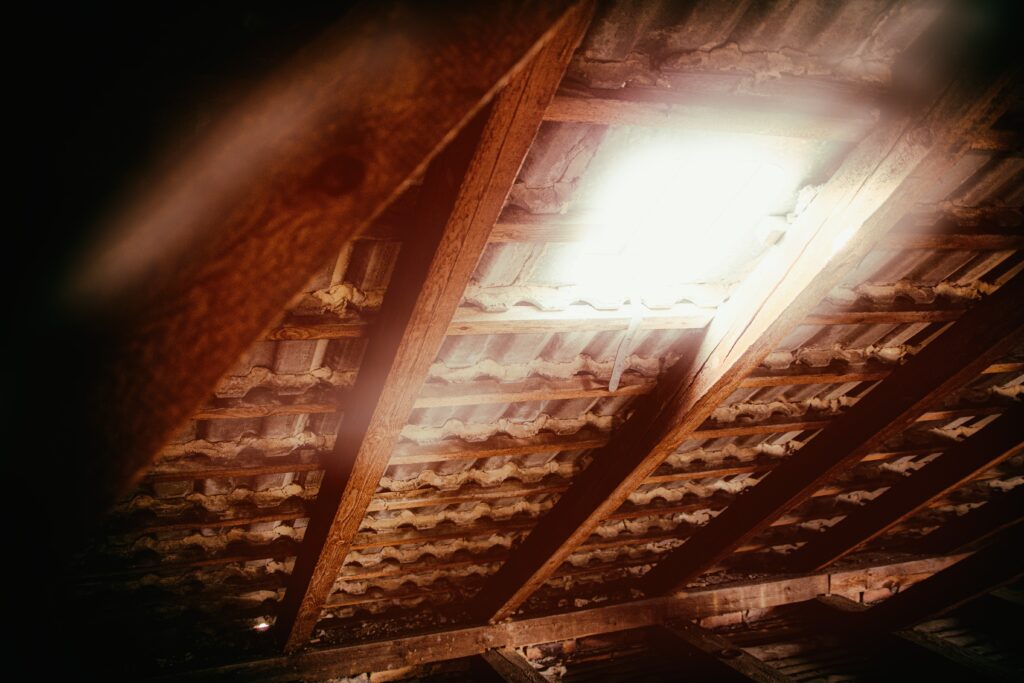
Is Your Attic Ready for Summer? A Bay Area Heat Prep Checklist
Before summer heat settles in, your attic is one of the smartest places to inspect. Why? Because attic conditions can affect how comfortable your home feels, how hard your HVAC system works, and whether upstairs rooms become difficult to cool.
In many Bay Area homes, summer comfort issues start with a combination of:
- thin or uneven attic insulation
- air leaks around ceiling penetrations
- blocked or damaged ventilation paths
- leaky or poorly insulated ducts
- old insulation that no longer performs well
This checklist will help you understand what to look for before hotter weather arrives — and when it makes sense to schedule a professional attic inspection or insulation assessment.
✅ Schedule an attic inspection & insulation assessment
If your home gets hot upstairs, feels uneven room-to-room, or has aging insulation, start with an attic-focused assessment before peak summer.
Why your attic matters before summer
Your attic sits directly below the roof. During warm weather, it absorbs heat throughout the day. If the attic is poorly insulated, poorly ventilated, or full of air leaks, that heat can influence the rooms below.
Common symptoms include:
- upstairs rooms getting hotter than the rest of the house
- AC running longer than expected
- bedrooms feeling uncomfortable in the afternoon
- uneven temperatures between rooms
- higher cooling demand during warm spells
The attic is not always the only cause. But it is often one of the most important places to check before summer.
1. Check your attic insulation coverage
Insulation helps slow heat transfer from the attic into your living space. If insulation coverage is weak, summer heat can move into the home more easily.
Look for these signs:
- thin insulation coverage
- visible gaps or bare areas
- compressed or flattened insulation
- insulation pushed away from edges or corners
- uneven depth across the attic floor
- insulation disturbed by storage, repairs, or foot traffic
If insulation looks patchy, dirty, or flattened, it may not be performing as well as it should.
2. Look for air leaks around the ceiling plane
Insulation slows heat transfer, but it does not stop air movement through gaps. If your attic has air leaks, cooled air can escape and hot attic air can influence the living space.
Common attic air leak points include:
- attic hatch or access door
- recessed lights
- plumbing penetrations
- wiring holes
- bathroom fan housings
- duct boots
- top plates and framing gaps
These leaks are often hidden under insulation, which is why they are easy to miss during a quick visual check.
Why this matters in summer
Air leaks can make rooms harder to cool and can reduce the impact of new insulation. That is why the best upgrade order is often:
inspect → air seal → insulate
3. Check attic ventilation paths
Attic ventilation helps manage heat and moisture. It usually depends on a balance between intake and exhaust.
A summer attic check should look for:
- blocked soffit vents
- damaged roof vents
- missing or damaged vent screens
- insulation pushed into ventilation paths
- poor airflow around attic edges
- signs of condensation or moisture staining
Ventilation is not magic. Adding more vents randomly is not always the solution. The goal is to make sure the existing system is not blocked, damaged, or working against itself.
Related post: /spring-attic-inspection-checklist-bay-area
4. Inspect attic ducts if your HVAC runs through the attic
If your home has ducts in the attic, they deserve attention before summer. Attic duct issues can make comfort problems worse because conditioned air travels through a very hot space before reaching the rooms below.
Signs of possible duct problems:
- weak airflow from certain vents
- one room always hotter than others
- visible loose or disconnected duct sections
- crushed or kinked flexible ducts
- dusty vent areas
- AC running longer than expected
If ducts are leaking or poorly routed, adding insulation alone may not fix the comfort problem.
5. Watch for moisture or odor before adding insulation
Summer prep is not just about heat. If the attic has moisture issues, musty odors, or staining, those should be addressed before insulation upgrades.
Check for:
- musty smell near the attic hatch
- damp or matted insulation
- dark staining on roof sheathing
- rusty nails or metal fasteners
- bathroom fan ducts that do not vent outdoors
- old leak marks around roof penetrations
Adding insulation over unresolved moisture problems can hide the issue and reduce performance. Very productive, if the goal is to create a future repair bill. Otherwise, not ideal.
6. Check the attic hatch
The attic hatch is often one of the easiest comfort weak spots to overlook.
A poor attic hatch can allow:
- hot attic air movement
- dust transfer
- conditioned air loss
- comfort issues near hallways or bedrooms
What to look for:
- missing weatherstripping
- loose or warped hatch cover
- visible gaps around the frame
- no insulation on the hatch panel
- dust marks around the opening
A properly sealed and insulated attic hatch is a small detail that can support better whole-home comfort.
7. Decide whether you need a tune-up or a full upgrade
Not every attic needs a major project. Sometimes a targeted tune-up is enough.
A light attic tune-up may be enough if:
- insulation is mostly even
- there are only small gaps
- ventilation is clear
- ducts look intact
- no moisture or odor issues are present
A larger attic upgrade may be needed if:
- insulation is thin, compressed, or missing in large areas
- rooms are consistently uncomfortable in summer
- ducts show visible problems
- air leaks are widespread
- old insulation needs removal before new material is installed
The right scope depends on the actual condition of the attic, not a generic summer checklist copied from the internet like humanity needed more of those.
DIY vs Pro: quick decision guide
DIY may be reasonable if:
- you are doing a safe visual check from the attic access point
- you are looking for obvious gaps, stains, or loose ducts
- you are checking the attic hatch seal
- the attic is easy to access and not hazardous
Call a pro if:
- upstairs rooms are consistently hot
- insulation looks uneven, compressed, or old
- you suspect air leaks under insulation
- ducts run through the attic and comfort is poor
- you see signs of moisture, staining, or odor
- the attic is tight, dusty, or difficult to navigate safely
Cost factors
The cost of attic summer prep depends on scope. Key factors include:
- attic size and accessibility
- insulation condition and depth
- whether old insulation needs removal
- number of air leakage points
- duct condition and routing
- ventilation condition
- whether attic cleaning is required before upgrades
A professional inspection helps separate “small targeted fix” from “larger attic performance upgrade.”
Next steps: simple summer prep plan
A practical pre-summer attic plan looks like this:
- Inspect attic conditions
- Check insulation coverage and air leakage points
- Review ventilation paths and duct condition
- Fix moisture or odor issues first
- Air seal major bypasses
- Upgrade insulation where needed
- Reassess room comfort before peak heat
✅ Schedule an attic inspection & insulation assessment
FAQ
How do I know if my attic insulation is ready for summer?
Look for even coverage, proper depth, no major gaps, and no signs of compression, moisture, or disturbance. If insulation looks thin or uneven, an assessment may be useful before summer heat arrives.
Will adding insulation make my home cooler?
It can help, especially if existing insulation is thin or uneven. But insulation works best when air leaks, duct issues, and moisture problems are addressed first.
Should I air seal before adding insulation?
In many homes, yes. Air sealing before insulation helps reduce air movement and allows insulation to perform more effectively.
Do attic vents help keep the house cooler?
They can support attic heat and moisture management when the system is balanced and unobstructed. Blocked or damaged vents can reduce performance.
Why is my upstairs hotter than downstairs?
Common causes include attic heat load, weak insulation, leaky attic ducts, air leaks, and uneven airflow. A professional inspection can help identify the main issue.
Can old insulation make summer comfort worse?
Yes. Old, compressed, dirty, or uneven insulation may reduce comfort and make rooms harder to cool.