
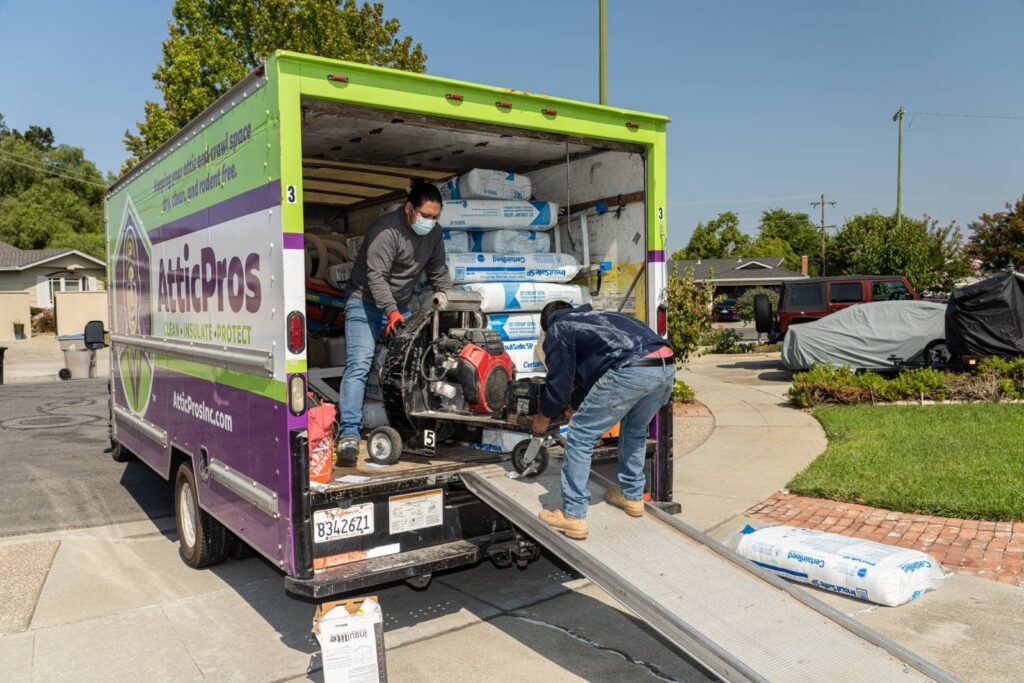
Attic Cleaning: Troubleshooting Guide for Bay Area Homeowners
Attic Cleaning is one of those home projects most people ignore until a problem forces attention: a musty smell that won’t go away, allergy-like irritation at home, a sudden rodent issue, visible mold-like staining, or insulation that looks disturbed. The attic sits above your living space, and even though you rarely go up there, it can still influence comfort, indoor air quality, and energy efficiency.
In the Bay Area, attics often face a mix of challenges: seasonal moisture, microclimate temperature swings, older home construction details, and pest pressure. Over time, dust, debris, and contamination can accumulate—especially if there have been rodents, a roof leak, poor ventilation, or bathroom fans that don’t vent properly to the outdoors.
This is a troubleshooting guide. It will help you figure out what’s going on in your attic, how to inspect safely, what problems Attic Cleaning actually solves, and when the best move is to call a professional. The goal is not just “make it look clean,” but to address the root cause so the attic stays clean and stable.
Quick Answer: When Attic Cleaning Is Worth It
- After rodents: droppings, nesting, disturbed insulation, odor, and contamination risk.
- After moisture issues: leaks, condensation, or musty smell that suggests hidden dampness.
- Before insulation upgrades: cleaning and prep make insulation work better and last longer.
- When air quality feels “off”: persistent odors, dust issues, or allergy-like symptoms at home.
- When you need diagnosis: cleaning often reveals entry points, leaks, and ventilation problems.
If you want a professional evaluation of your attic conditions, you can book an estimate and get a clear plan for what needs to be cleaned, repaired, or prevented.
What “Attic Cleaning” Actually Means (Not Just Sweeping)
Homeowners sometimes imagine Attic Cleaning as “vacuum a little dust and you’re done.” In reality, professional attic cleaning often includes some combination of:
- Debris removal: construction debris, old storage items, broken-down materials.
- Dust and particulate removal: accumulation on framing, surfaces, and insulation areas.
- Contamination cleanup: droppings, nesting material, and soiled insulation areas.
- Sanitation steps: controlled cleaning methods to reduce residues and odors.
- Inspection-related findings: identifying roof leaks, ventilation issues, and entry points.
- Prep for upgrades: cleaning prior to insulation replacement or air sealing work.
In other words, Attic Cleaning is often a “reset” step that makes the attic safer, easier to maintain, and ready for improvements like sealing, insulation, or ventilation upgrades.
Why Attics Get Dirty (Root Causes You Should Know)
Attics don’t get dirty by accident. Most attic messes can be traced to a few repeat causes. Troubleshooting becomes easier when you know what you’re looking for.
1) Rodent Activity
Rodents are one of the most common reasons homeowners need Attic Cleaning. Rodents bring in nesting material, disturb insulation, leave droppings and urine residues, and can create strong odors. Even after rodents are gone, contamination may remain.
2) Dust and Air Leakage From the Home Below
Air leaks between the living space and attic can carry dust upward. Recessed lights, wiring penetrations, pipe chases, and attic access hatches are common pathways. Over time, this can coat attic surfaces and contribute to “dirty attic” conditions.
3) Roof Leaks and Moisture Intrusion
Small leaks often go unnoticed until staining or odor develops. Moisture can also appear from condensation when warm indoor air escapes upward and meets cooler roof surfaces. Moisture issues are a major reason for recurring attic problems.
4) Poor Ventilation and Trapped Humidity
Attics need balanced ventilation to reduce heat and moisture buildup. When soffit vents are blocked, ridge vents are missing, or airflow is unbalanced, moisture can accumulate and lead to odor and material issues.
5) Bathroom Fans Venting Into the Attic
One of the most common Bay Area attic mistakes is a bathroom exhaust fan that terminates in the attic instead of venting outdoors. That moisture can soak into insulation and framing over time and create musty conditions.
Signs Your Attic Needs Cleaning (and What Each Sign Usually Means)
If you rarely go into your attic, you might not know there’s a problem until symptoms show up in living spaces. Here are the most common signs that suggest you should inspect and possibly schedule Attic Cleaning.
- Musty odor in the home: can indicate dampness, contamination, or stale airflow from the attic.
- Scratching noises at night: often points to rodents or other activity in the attic.
- Dusty home despite cleaning: attic-to-home air leakage can contribute to dust movement.
- Allergy-like irritation at home: not always attic-related, but attics can contribute when contaminated.
- Insulation looks disturbed: signs of nesting, tunnels, or compressed areas.
- Visible droppings or nesting material: suggests contamination that should be handled safely.
- Staining on wood or roof decking: could suggest moisture issues or long-term humidity patterns.
- Evidence of previous leaks: water stains, soft wood, or old damp patches.
It’s normal to see some dust in an attic. The red flags are contamination, moisture-related symptoms, and signs of active entry points.
Safety First: How to Inspect an Attic Without Risking Exposure
Attics can contain irritants: dust, fiberglass particles, droppings, or mold-like staining. Before you climb up:
- Wear PPE: gloves, eye protection, long sleeves, and a well-fitting mask.
- Use stable access: a safe ladder and a second person nearby if possible.
- Watch your footing: step only on joists or safe walking paths—never on drywall ceiling.
- Avoid stirring dust: don’t sweep or blow dust around.
- Don’t vacuum droppings with a household vacuum: it can aerosolize fine particles.
If you see heavy contamination, strong odor zones, or widespread dampness, it’s safer to stop and schedule professional attic cleaning rather than continuing DIY inspection.
Attic Cleaning Troubleshooting: Step-by-Step
This troubleshooting flow helps you identify what’s driving the attic condition. The goal is to connect symptoms to causes.
Step 1: Identify the Main Category (Dust, Rodents, Moisture, or Debris)
- Dust-heavy attic: uniform film on surfaces, little odor, no droppings.
- Rodent-contaminated attic: droppings, nesting, trails, disturbed insulation, strong odor pockets.
- Moisture-driven attic: staining, musty smell, damp insulation, condensation signs, soft wood.
- Debris/storage attic: construction leftovers, old boxes, clutter zones, unknown materials.
Many attics have more than one category. For example, rodents often exploit attics with easy entry points, and moisture issues can worsen odor and material breakdown.
Step 2: Check Insulation Condition
Insulation is a “canary in the coal mine.” If it’s disturbed, compressed, or contaminated, it often indicates rodents, airflow issues, or moisture. Look for:
- tunnels or paths through insulation
- flattened or missing areas
- dark, dirty patches that match airflow patterns
- wet, clumped, or sagging insulation
Step 3: Look for Entry Points and Pathways
Rodents and outdoor debris enter through gaps. Common entry areas include:
- roofline transitions (fascia, eaves, roof returns)
- attic vents (gable vents, roof vents) with damaged screens
- utility penetrations (pipes, wires)
- attic access hatch that doesn’t seal tightly
Step 4: Inspect for Moisture Indicators
- water stains on roof decking or framing
- discoloration patterns near vents or roof penetrations
- damp insulation, clumping, or odor
- bathroom fan ducting that does not terminate outdoors
Step 5: Decide the Next Action
Use this decision logic:
- Dust-only, no odor, no pests: cleaning may be optional, but sealing can help long-term.
- Rodent signs present: prioritize exclusion + safe cleanup + potential insulation restoration.
- Moisture signs present: fix the moisture source first, then clean and restore materials.
- Heavy debris/clutter: removal and cleanup improve inspection and prevent hidden issues.
What Not to Do (Common Attic Cleaning Mistakes)
- Don’t treat Attic Cleaning as cosmetic only. If the cause is rodents or moisture, cleaning without fixing the cause will repeat.
- Don’t use a household vacuum on droppings. This can spread fine particles into the air.
- Don’t stir insulation aggressively. Disturbing contaminated insulation can spread debris and odor.
- Don’t ignore bathroom fan venting. Moisture vented into the attic is a repeat-problem generator.
- Don’t leave entry points unsealed. Rodent cleanup without exclusion often leads to a return.
How Attic Cleaning Helps Comfort and Energy Efficiency
Attic Cleaning is often a gateway to better comfort because it reveals the problems you can’t see from inside the home. Once the attic is cleaned and accessible:
- air leaks are easier to find and seal
- insulation condition is easier to evaluate and improve
- ventilation issues become clearer
- rodent entry points are easier to identify and close
In many homes, the “drafty feeling” or uneven room temperatures trace back to attic air leakage and insulation issues. Cleaning and inspection are often the first steps toward solving those comfort complaints.
Professional Attic Cleaning Service in the Bay Area
If your attic has contamination, odor issues, old debris, or you suspect rodents or moisture problems, a professional service can handle cleanup safely and identify the cause. You can learn more about our Attic Cleaning Service and what’s included during an evaluation.
Attic cleaning is often paired with related work like sealing, insulation restoration, and prevention steps—because the clean attic is only half the goal. The other half is keeping it clean.
When to Call Attic Pros for Attic Cleaning
Consider scheduling service if any of the following are true:
- you see droppings, nesting, or insulation disturbance
- there’s a persistent musty odor that suggests contamination or moisture
- you suspect roof leaks or bathroom fan venting issues
- you want to upgrade insulation and need prep work first
- your attic is cluttered or unsafe to navigate and you want a proper inspection
If you want to get started, you can book a free estimate and we’ll help confirm what’s happening and what the attic needs.
Here’s the same scheduling link again for convenience: Book a free estimate.
FAQ: Attic Cleaning
Is Attic Cleaning necessary if I don’t store anything up there?
Even if you never use the attic, problems can develop over time: dust accumulation, rodent entry, moisture from leaks or ventilation issues, and insulation disturbance. Cleaning becomes most valuable when there are signs of contamination, odor, or planned insulation work.
Can Attic Cleaning help with musty odors in the home?
It can, especially if the odor source is contamination, old debris, or damp insulation in the attic. However, lasting results usually require fixing the root cause—like moisture intrusion, rodent entry points, or ventilation imbalance.
Why is insulation often involved in attic cleaning?
Insulation can trap dust, odors, and contamination. Rodents also nest in insulation and compress it. If insulation is heavily disturbed or contaminated, cleaning often involves addressing insulation condition so the attic can return to a stable state.
What’s the most common cause of a “dirty attic” in the Bay Area?
Rodent activity and long-term dust movement through air leaks are among the most common causes. Moisture issues are also frequent, especially when bathroom fans vent into the attic or when small roof leaks go unnoticed.
Should I clean droppings myself?
Small, localized cleanup can sometimes be handled carefully with proper PPE and controlled methods. If contamination is widespread, in insulation, or present across large attic areas, professional cleanup is safer and more thorough.
Does Attic Cleaning prevent rodents from coming back?
Cleaning alone does not prevent rodents. Prevention typically requires exclusion—sealing entry points—along with reducing attractants and restoring disturbed areas. Cleaning helps by revealing pathways and making the attic easier to inspect.
How often should an attic be inspected?
A periodic inspection helps catch issues early—especially after storms or if you notice new odors, drafts, or noises. Many homeowners also inspect before major upgrades like insulation replacement.
Can attic ventilation problems make an attic “dirty”?
Ventilation issues can contribute indirectly by trapping moisture and heat, which can lead to odors, staining, and material breakdown. Balanced ventilation is part of keeping an attic stable over time.
Conclusion
Attic Cleaning is most valuable when it solves a real problem: contamination, odors, rodent impact, moisture symptoms, or preparation for insulation upgrades. Troubleshooting starts with a safe inspection and a simple question: Is this attic dealing with dust, rodents, moisture, debris—or a combination?
Once you identify the root cause, the best plan becomes clear: clean safely, fix what allowed the issue to develop (entry points, leaks, ventilation), and restore the attic so it stays clean and stable. If you want a clear diagnosis and an end-to-end solution, schedule an estimate and get a professional plan tailored to your home.