
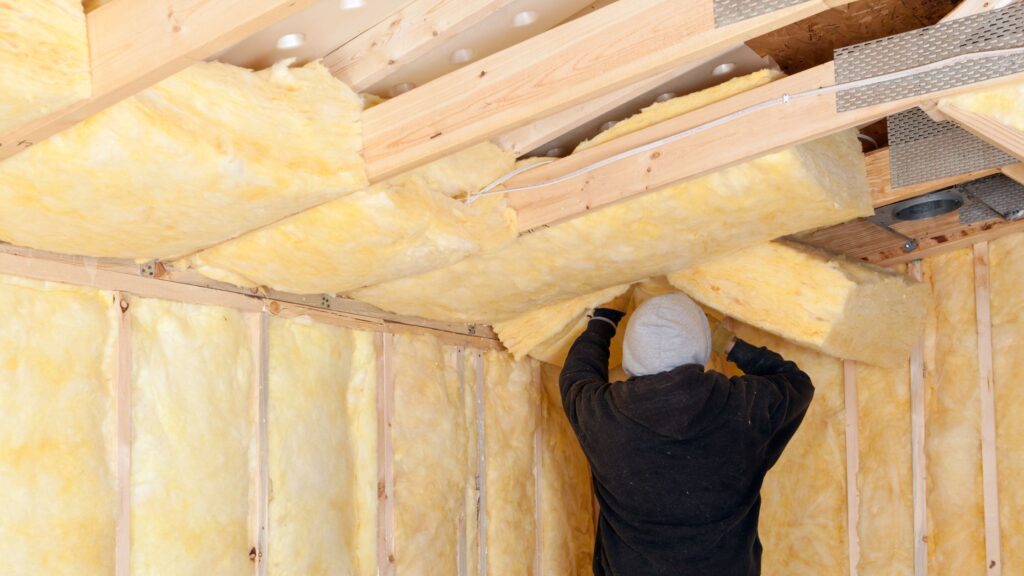
Attic Insulation Removal: A Complete Explainer for Bay Area Homeowners
Attic Insulation Removal is rarely something homeowners plan for fun. It usually comes up after you discover a bigger issue: rodent activity, musty odors, mold-like staining, a roof leak, or insulation that has aged to the point where it no longer performs well. In many Bay Area homes—especially older properties—attic insulation can hide decades of dust, debris, and air leakage patterns. Once insulation becomes contaminated or damaged, leaving it in place can keep comfort and air quality problems alive.
This is an explainer designed to answer the questions homeowners actually ask: When is insulation removal necessary? What are the warning signs? What happens during removal? Is it safe to do yourself? What should you do afterward to prevent repeat problems? By the end, you’ll have a clear framework for deciding whether your attic needs removal, and what a “complete” solution looks like beyond simply vacuuming old material.
Important: Attics can contain irritants (dust, fiberglass particles), contamination (rodent droppings/urine), and moisture-related issues. If you suspect widespread contamination or respiratory sensitivity in the household, it’s safer to treat attic work as a controlled project rather than a casual DIY cleanup.
Quick Answer: When Attic Insulation Removal Makes Sense
- After rodents: droppings, nesting, and urine contamination can remain in insulation even if rodents are gone.
- After moisture issues: wet insulation loses performance and can contribute to odor and material deterioration.
- When insulation is old or degraded: compacted, uneven, or missing coverage leads to comfort and efficiency problems.
- Before upgrades: removal often comes before air sealing, sanitation, and reinstalling insulation correctly.
- When indoor air feels “off”: persistent attic-related odors, dust issues, or irritation can point to contaminated insulation.
If you want an expert to confirm what’s going on in your attic, you can book a free estimate to evaluate insulation condition, contamination risk, and next steps.
What Attic Insulation Is Supposed to Do (and Why Removal Can Help)
Attic insulation has one primary job: slow heat transfer between the living space and the attic. In winter, it reduces heat loss from the home; in warmer periods, it reduces heat gain from a hot attic into rooms below. Insulation also contributes to comfort by reducing temperature swings and helping HVAC systems maintain stable indoor conditions.
But insulation only performs well when it is:
- Dry (moisture reduces performance and can trigger other problems),
- Evenly distributed (gaps and thin spots create “hot/cold” patches),
- Undisturbed (compression and tunneling reduce effectiveness),
- Free of contamination (droppings, urine residue, and nesting material can affect air quality and odor).
When insulation no longer meets those conditions, removal is sometimes the most practical path—especially when you plan to air seal and rebuild the attic insulation system properly.
Common Types of Attic Insulation (and How Removal Differs)
Homes in the Bay Area may have one or more insulation types, depending on age and upgrades over time. Understanding what’s in your attic helps you understand how removal typically works.
Blown-In (Loose-Fill) Insulation
Loose-fill insulation is distributed across the attic floor and can settle over time. Rodents often tunnel through it, and dust/contamination can spread widely because the material is loose. Removal is typically done with specialized vacuum equipment designed to collect insulation and debris efficiently.
Fiberglass Batts
Batts are laid between ceiling joists. They can shift, fall, or become compressed. If batts are contaminated by rodents or moisture, removal often requires careful bagging and disposal. In some cases, only sections are affected, but the surrounding area still needs evaluation.
Mixed/Layered Insulation
Many attics have multiple layers from different time periods—batts under loose-fill, or new insulation placed over old without solving air leakage. In these cases, removal can reveal hidden issues (gaps, old debris, staining, and open penetrations) that would otherwise stay buried.
Top Reasons Homeowners Need Attic Insulation Removal
Attic Insulation Removal is not always necessary. But when it is, there’s usually a clear driver. Here are the most common reasons it becomes the right move.
1) Rodent Contamination
Rodents can leave droppings, urine residue, nesting materials, and odor in insulation. Even after rodents are gone, contaminated insulation can continue to impact the attic environment and can contribute to persistent smells or irritation.
2) Moisture Damage or Repeated Dampness
If insulation gets wet, it loses insulating value and can hold moisture against wood framing. Moisture issues may come from roof leaks, condensation, or ventilation problems. Removal is often necessary when insulation is damp, clumped, or has absorbed odors.
3) Old, Settled, or Uneven Coverage
Over time, loose-fill can settle and batts can shift. That creates thin spots and gaps. You might notice uneven comfort in rooms below, drafts, or HVAC that runs longer than expected. Removal can be part of “resetting” the attic so new insulation can be installed evenly.
4) Dust and Debris Accumulation Over Many Years
Attics can collect construction debris, dust, and remnants of old repairs. In older homes, it’s common to find insulation mixed with debris that makes future work messy and less effective. Cleaning and removal can restore a clean base for improvements.
5) Preparing for Air Sealing and a Proper Attic System
Air sealing is one of the most important upgrades for energy efficiency and comfort. But it’s hard to do thoroughly when insulation is in the way. Removal allows access to penetrations (lights, pipes, wiring holes) so sealing work can be completed properly before reinstalling insulation.
Warning Signs Your Insulation Should Be Evaluated
You don’t have to be an expert to spot clues that your attic insulation may be due for removal and replacement. Watch for:
- Persistent musty or stale odor that seems strongest near attic access areas.
- Scratching noises in the attic, especially at night (rodent activity).
- Insulation disturbance (tunnels, compressed paths, missing areas).
- Droppings or nesting material visible on or within insulation.
- Water stains on roof decking or framing above insulation.
- Damp, clumped, or sagging insulation that suggests moisture exposure.
- Uneven temperatures or cold/hot spots in rooms below the attic.
- Dust problems that persist even with regular cleaning indoors.
These signs don’t automatically mean removal is required, but they strongly suggest the attic needs a closer inspection to determine the scope.
Is Attic Insulation Removal Safe as DIY?
Some homeowners consider DIY removal to save effort or time. The issue is that attics combine three difficult factors:
- Access challenges: low clearance, awkward movement, and risk of stepping through the ceiling.
- Airborne irritants: dust, insulation fibers, and possible contamination.
- Containment needs: disturbing insulation can spread debris into living areas if not controlled.
DIY is most risky when there is rodent contamination or moisture-related issues. If the attic has droppings, strong odor zones, or widespread insulation disturbance, professional equipment and controlled handling are usually the safer approach.
Tip: If you can’t confidently answer “Where did the moisture come from?” or “Where did rodents enter?” then removing insulation without a plan can lead to repeat problems after reinstalling.
What Happens During Professional Attic Insulation Removal?
A professional removal process is typically structured to be efficient, controlled, and safe. While every attic is different, the usual workflow looks like this:
1) Attic Inspection and Scope Confirmation
Before removal, the attic is evaluated for contamination, moisture staining, ventilation issues, and entry points. This step helps ensure removal is not done blindly—because the goal is to prevent recurrence after the attic is rebuilt.
2) Controlled Removal of Old Insulation
Loose-fill insulation is typically removed using vacuum equipment designed for insulation removal. Batts are removed and bagged. The goal is to remove old material efficiently while limiting unnecessary spread of debris.
3) Debris Collection and Basic Attic Reset
Removal often reveals debris that was hidden under insulation (old boxes, construction material, dust piles). Clearing that debris improves attic safety and makes future upgrades possible.
4) Identify and Address Root Issues
Once the attic floor is visible, it becomes much easier to find:
- open penetrations that leak air from the home
- evidence of roof leaks or condensation patterns
- rodent entry points and travel routes
- areas where ventilation may be blocked or unbalanced
5) Prep for Next Steps (Sealing, Sanitation, Re-Insulation)
Removal is usually not the final step. Many attics need some combination of air sealing, sanitation (if contaminated), and reinstalling insulation evenly for long-term results.
If you’d like to see the service overview and what’s commonly included, visit our Attic Insulation Removal page.
Attic Insulation Removal and Indoor Air Quality
Homeowners often ask whether old insulation affects air quality. The attic is separated from the home by the ceiling plane, but air can still move between spaces through small gaps—especially around recessed lights, wiring holes, pipe penetrations, and attic hatches.
If insulation is contaminated (rodents) or the attic has persistent odors, those odors can migrate into living spaces through these leakage pathways. Removal can help by eliminating contaminated material and allowing air sealing work that blocks attic-to-home airflow.
Key idea: Air sealing is often the “missing link.” Removal alone may reduce contamination sources, but sealing is what prevents attic air (and any remaining particles) from moving into the home.
What to Do After Attic Insulation Removal
After removal, you’re at the most valuable stage: the attic is open, visible, and ready for permanent improvements. This is where you can prevent future problems.
1) Air Sealing
Seal gaps and penetrations between the living space and attic. This reduces drafts, dust movement, and moisture migration from the home into the attic.
2) Ventilation Review
Confirm that soffit vents are not blocked and that the attic has a balanced ventilation strategy. Poor ventilation can trap moisture and heat, which can contribute to recurring attic issues.
3) Address Moisture Sources
Fix roof leaks, verify bathroom fans vent outdoors, and correct condensation drivers. Installing new insulation over an unresolved moisture issue is a common reason homeowners end up needing removal again later.
4) Reinstall Insulation Properly
New insulation should be installed evenly with full coverage, without gaps. The right approach depends on the attic’s design, ventilation, and the home’s needs.
5) Monitor and Maintain
After the attic is rebuilt, periodic checks after storms or seasonal shifts help catch issues early.
Common Mistakes to Avoid
- Removing insulation without fixing rodents or entry points: new insulation can become contaminated again.
- Ignoring moisture sources: wet insulation loses performance and can restart odor problems.
- Skipping air sealing: comfort and dust issues may persist even after new insulation is installed.
- Leaving attic vents compromised: broken screens and gaps can allow pests back in.
- Assuming “more insulation” solves everything: airflow and moisture often matter just as much.
Professional Attic Insulation Removal in the Bay Area
In many homes, Attic Insulation Removal is the beginning of a complete attic improvement plan: cleanup, sealing, prevention, and reinstalling insulation correctly. If you want an end-to-end plan tailored to your home, we can help.
Learn more about our Attic Insulation Removal service and what to expect during an evaluation.
When to Call Attic Pros
Consider professional help if you notice:
- droppings, nesting, or strong odors in the attic
- insulation that is wet, clumped, sagging, or heavily disturbed
- signs of roof leaks or ventilation problems
- persistent dust or comfort issues that don’t improve
- a plan to upgrade insulation and you want the job done cleanly and safely
If you want to get started, you can book a free estimate to assess attic conditions and determine whether removal is needed.
For convenience, here’s the scheduling link again: Book a free estimate.
FAQ: Attic Insulation Removal
Do I always need Attic Insulation Removal before adding new insulation?
Not always. If existing insulation is dry, evenly distributed, and uncontaminated, it may be possible to add or improve insulation without full removal. Removal is most common when insulation is contaminated, wet, heavily degraded, or hiding issues that need to be addressed.
Why is rodent contamination a common reason for removal?
Rodents can contaminate insulation with droppings and urine residue, and they often disturb insulation coverage. Even after rodents are removed, contaminated insulation may continue to affect odor and attic conditions.
Can old insulation still work even if it looks “fine”?
Sometimes, but performance depends on coverage and condition. Settling, compression, gaps, and air leakage can reduce effectiveness even if insulation doesn’t look obviously damaged.
Will removing insulation fix musty odors?
It can help if the odor source is contaminated or damp insulation. However, musty odors often come from moisture problems or ventilation issues that must be corrected to prevent recurrence.
Is Attic Insulation Removal messy?
It can be if done without controlled equipment and handling. Professional removal is designed to collect insulation efficiently and limit spreading debris into living spaces.
What should be done immediately after removal?
Use the opportunity to address root causes: air sealing, moisture correction, ventilation review, and entry-point prevention. Then install new insulation evenly for long-term comfort.
How do I prevent needing removal again?
Prevent rodents with exclusion, keep the attic dry by correcting leaks and venting issues, and reduce air leakage from the home into the attic through sealing work. Monitoring after storms helps catch problems early.
Does Attic Insulation Removal improve energy efficiency?
Removal alone is not the efficiency upgrade, but it enables the upgrades that matter—proper sealing and correctly installed insulation. Those steps are what typically improve comfort and reduce heating/cooling strain.
How do I know if moisture is affecting my insulation?
Clues include damp or clumped insulation, musty odors, staining on roof decking, and condensation patterns. Moisture should be identified and corrected before reinstalling insulation.
Is it normal to find debris under insulation?
Yes, especially in older homes. Removal often reveals construction leftovers and dust accumulation. Clearing it makes future attic work safer and more effective.
Conclusion
Attic Insulation Removal is most valuable when insulation is contaminated, wet, or degraded—or when you want to rebuild the attic system properly for comfort and air quality. Removal opens the attic floor so you can identify root problems, seal air leaks, correct moisture and ventilation issues, and reinstall insulation evenly.
If you suspect your attic insulation is no longer doing its job—or if you’ve had rodents, odors, or moisture symptoms—start with an inspection and a clear plan. A well-executed attic reset can make your home feel noticeably more comfortable and stable across seasons.