
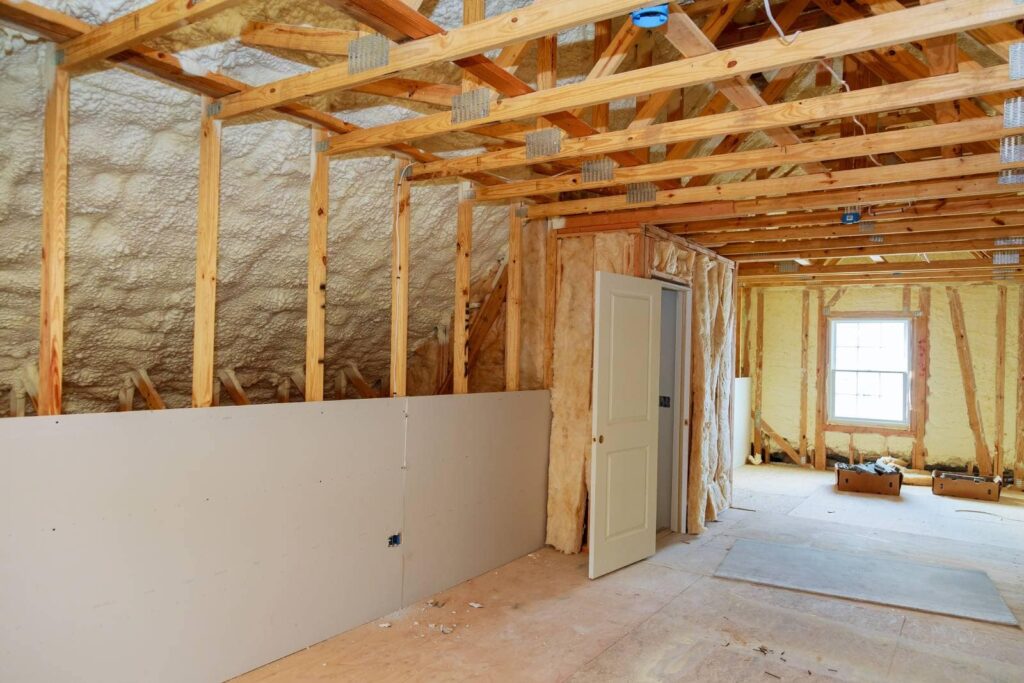
Attic Insulation Troubleshooting: Signs, Causes, and Fixes
If you’re a Bay Area homeowner, Attic Insulation is one of the biggest “silent factors” behind comfort, air quality, and energy use. When it’s installed correctly, you barely notice it—your home feels stable, rooms are consistent, and your HVAC doesn’t work overtime. When something is off, the symptoms can be confusing: one room stays hot, another feels drafty, you notice musty odors after rain, or your utility bills climb without an obvious reason.
This guide is a practical Attic Insulation troubleshooting checklist—written for real attics, not perfect textbook diagrams. You’ll learn what to look for, what the most common causes are, which fixes actually last, and when it’s safer (and cheaper long-term) to bring in a professional for inspection and repair.
Quick Answer: How to Troubleshoot Attic Insulation Fast
- Look for uneven coverage: thin spots, gaps, or areas where insulation is missing are among the most common Attic Insulation problems.
- Check for air leaks first: recessed lights, attic hatches, plumbing penetrations, and top plates can let conditioned air escape and make insulation perform poorly.
- Watch for moisture signs: damp insulation, stains on wood, condensation on nails, or musty odor often point to roof leaks, poor ventilation, or bathroom fan issues.
- Don’t ignore contamination: rodent droppings, nesting, and urine-soaked insulation can impact air quality and typically requires safe removal and replacement.
- Ventilation matters: blocked soffit vents or missing baffles can cause heat buildup and condensation issues that reduce Attic Insulation performance.
- When in doubt: if you see mold-like growth, widespread moisture, electrical hazards, or heavy rodent activity, it’s best to stop and schedule a professional attic inspection.
What Attic Insulation Actually Does (and Why Problems Feel “Random”)
Attic Insulation slows heat transfer between your living space and the attic. In summer, it helps keep roof heat from radiating down into rooms. In cooler months, it helps keep warm indoor air from escaping upward. But insulation alone isn’t a magic blanket—its real-world performance depends heavily on:
- Coverage: insulation must be continuous with minimal gaps.
- Air sealing: moving air carries heat and moisture; leaks can bypass insulation.
- Dryness: wet insulation performs poorly and can create bigger building problems.
- Ventilation balance: attics usually need controlled airflow to manage heat and moisture.
In the Bay Area, you may see a mix of conditions—coastal humidity and fog influence near the shoreline, warmer inland heat in summer, and seasonal rainstorms. That combination makes it especially important that Attic Insulation is paired with good air sealing and proper ventilation.
Common Signs Your Attic Insulation Isn’t Performing
Use these symptoms as clues. None of them alone “proves” what the issue is, but together they often point to the root cause.
- Uneven room temperatures: one side of the house runs hotter or colder than the rest.
- Drafts or cold/hot spots: especially near ceilings, hallways, or rooms under the attic.
- HVAC runs constantly: longer cycles than normal, struggling to maintain set temperature.
- Musty smell after rain: may indicate moisture in attic materials or insulation.
- Dusty indoor air: attic air leakage can pull dust and insulation particles into living spaces.
- Visible staining: dark lines on insulation (often from air movement and dust), or water stains on wood.
- Pest signs: scratching sounds, droppings, gnaw marks, or nesting in insulation.
- Condensation evidence: damp rafters, “frosty” nail tips in colder months, or rust on metal fasteners.
Safety First: Before You Inspect Attic Insulation
Attics can be hazardous—low visibility, exposed nails, fragile ceilings, wiring, and contaminated materials. Before you attempt any Attic Insulation inspection, use this safety checklist.
- Wear PPE: gloves, long sleeves, eye protection, and a well-fitting mask (especially if insulation is dusty or you suspect contamination).
- Use a bright flashlight/headlamp: and move slowly.
- Step only on framing: joists or stable walkway areas—never on drywall.
- Watch for electrical hazards: exposed wiring, old junction boxes, or recessed light fixtures.
- Stop if you see extensive droppings or mold-like growth: disturbing it can spread particles into the air.
Note: This guide is educational and doesn’t replace professional evaluation. If you suspect mold or heavy rodent contamination, it’s safer to avoid disturbing materials and schedule a professional inspection.
Step-by-Step: Attic Insulation Troubleshooting Checklist
Use the following sequence. It’s designed to help you identify the most common “root causes” in the correct order.
Step 1: Confirm Coverage and Depth
Start with the simplest question: is the Attic Insulation continuous and evenly distributed? Look for:
- thin areas or bare spots
- gaps around attic edges and corners
- areas pushed aside by storage or contractors
- compressed batts (compressed insulation loses performance)
In many homes, insulation is “mostly there,” but missing in the places that matter most—near the attic perimeter, around penetrations, and along eaves.
Step 2: Check the Attic Hatch / Pull-Down Stairs
The attic access opening is often one of the largest air leaks in the entire ceiling. If it isn’t sealed and insulated, your home can lose conditioned air and pull attic air into living spaces. Look for:
- no weatherstripping
- no insulation on the hatch cover
- visible gaps or daylight around the frame
Step 3: Identify Major Air Leaks (The “Bypass” Problem)
Air leaks can make Attic Insulation feel ineffective even when coverage looks decent. Common bypass points include:
- recessed lights (especially older non-airtight styles)
- bathroom fan housings and duct penetrations
- plumbing vents and pipe chases
- electrical penetrations and ceiling fans
- top plates and wall-to-ceiling transitions
- chimney or flue clearances (special fire-safe sealing rules apply)
Clue: If insulation is dark or dusty in streaks, that’s often a sign air has been moving through it over time—carrying dust and depositing it along airflow pathways.
Step 4: Look for Moisture Clues (Roof Leak vs. Condensation)
Moisture is one of the most damaging issues for Attic Insulation. Carefully check:
- staining on rafters or roof sheathing
- damp or matted insulation
- musty odor
- condensation on nails or metal surfaces
Roof leak signs often appear as localized staining or dampness near penetrations (vents, chimneys, skylights) or along valleys. Condensation issues tend to be more widespread and seasonal—often tied to ventilation imbalance or warm moist air escaping from the home into a colder attic surface.
Step 5: Confirm Bathroom Fans Vent Outside (Not Into the Attic)
This is extremely common: a bathroom fan duct that ends in the attic or disconnects over time. That dumps warm, moist air directly into attic space—leading to damp insulation, condensation, and sometimes mold-like growth on wood surfaces. Ensure fans vent outdoors through proper roof or wall termination.
Step 6: Evaluate Ventilation and Soffits
Most attics need a balanced intake (often through soffits) and exhaust (often through ridge or roof vents). Insulation can block soffits if baffles aren’t installed. Look for:
- insulation stuffed into eaves
- blocked soffit vents
- missing baffles/chutes
- signs of heat buildup (very hot attic air, brittle materials)
Step 7: Check for Pest Activity and Contamination
Rodents love attics. They nest in insulation, compress it, and can contaminate it with droppings and urine. Look for:
- droppings or nesting areas
- paths/tunnels through blown-in insulation
- chewed wires or wood
- strong ammonia-like odor (possible urine)
If you find heavy contamination, avoid sweeping or vacuuming with a standard household vacuum. Safe cleanup typically requires proper PPE and specialized equipment.
Root Causes: Why Attic Insulation “Fails” in Real Homes
Here are the most common root causes behind Attic Insulation complaints, including what they look like and why they matter.
Cause #1: Air Leaks That Bypass the Insulation Layer
Insulation slows heat transfer; it doesn’t stop air movement. If your ceiling plane leaks air, warm or cool indoor air can flow into the attic, carrying heat and moisture. This can lead to:
- rooms that won’t stay comfortable
- higher HVAC workload
- moisture problems near cold surfaces
In troubleshooting, air sealing is often the highest-impact fix because it addresses the mechanism that “short-circuits” insulation performance.
Cause #2: Uneven Installation (Gaps, Voids, Compression)
Even small gaps can create big comfort problems, especially near attic edges where heat transfer is intense. Compression is also common: storage, foot traffic, or poorly installed batts reduce insulation effectiveness because trapped air pockets are what provide resistance to heat flow.
Cause #3: Wind Washing at the Eaves
When outside air flows into attic edges (often through soffit areas) and moves through or over insulation, it reduces performance and can create cold spots in winter and hot spots in summer. Proper baffles and consistent coverage near eaves help prevent this.
Cause #4: Moisture from Roof Leaks, Condensation, or Exhaust Venting
Wet insulation underperforms and can contribute to broader building durability issues. Moisture can come from:
- roof leaks
- bathroom or kitchen exhaust venting into attic
- condensation from warm indoor air leaking upward
- blocked ventilation pathways
If insulation has been wet for a while, simply “drying it out” may not restore performance—especially if it’s matted, contaminated, or has damaged surrounding materials.
Cause #5: Rodent Damage and Contamination
Once pests have nested in insulation, you often have multiple problems at once: reduced insulation performance, odor, air quality concerns, and entry points that allow pests to return. In many cases, the long-term solution includes:
- rodent-proofing (sealing entry points)
- safe removal of contaminated insulation
- sanitizing and restoring the attic environment
- reinstalling Attic Insulation correctly
Cause #6: Ductwork Issues (Leaks, Poor Layout, Missing Insulation)
Many Bay Area homes have HVAC ductwork in the attic. If ducts are leaky or poorly insulated, they can undo a lot of the benefit you expect from Attic Insulation. Typical issues include disconnected joints, failing tape, or ducts routed too close to the roof deck.
Fixes That Actually Work (and the Right Order to Do Them)
If you want your Attic Insulation upgrade to last, sequence matters. Here’s the priority order that typically delivers the best real-world results.
Fix #1: Air Seal the Ceiling Plane (Before Adding More Insulation)
Adding more insulation on top of major air leaks is like wearing a thicker jacket with the zipper open. Common air sealing improvements may include sealing around penetrations, top plates, and the attic hatch—while following fire safety clearance rules for heat-producing fixtures and flues.
Fix #2: Restore Ventilation Pathways (Baffles, Soffits, Exhaust)
Ventilation helps manage attic moisture and heat. When intake vents are blocked by insulation, or exhaust pathways are insufficient, moisture issues can develop even if insulation depth is adequate. Installing baffles at soffits and ensuring bathroom fans vent outdoors are frequent high-impact corrections.
Fix #3: Repair or Replace Damaged Insulation
Depending on condition, you may be able to redistribute or “top off” insulation. However, insulation that is:
- heavily compressed
- water-damaged
- mold-like or musty
- contaminated by rodents
…often requires removal and replacement for a truly clean, reliable result.
Fix #4: Upgrade Coverage Strategically (Edges, Hatches, Hard Spots)
Attic edges, hatch covers, and tricky transitions are where the best crews separate themselves from “blow-and-go” jobs. A proper Attic Insulation upgrade pays close attention to continuity, not just average depth in the middle of the attic.
Fix #5: Address Ductwork and Mechanical Systems
If ducts run through the attic, consider duct sealing and ensuring duct insulation is intact. This can significantly improve comfort in rooms that are far from the air handler or in homes where the HVAC struggles during heat waves or cold snaps.
Which Attic Insulation Type Is Best for Troubleshooting Situations?
Different materials behave differently in real attics. Here’s a practical overview.
Blown-In (Loose Fill) Insulation
- Pros: good coverage for irregular spaces; fills around obstacles better than batts; easy to add more later.
- Cons: can be disturbed by pests or contractors; may settle over time; can hide air leaks if sealing isn’t done first.
Fiberglass Batts
- Pros: straightforward for open cavities; clean handling compared to some loose fill; predictable placement when installed correctly.
- Cons: performance drops when compressed or poorly fit; gaps are common; difficult around complex framing.
Spray Foam (Situational)
- Pros: excellent air sealing when used appropriately; can help in specific assemblies.
- Cons: not a “universal fix”; requires careful design decisions; may complicate future access or repairs.
The best choice depends on your attic design, existing conditions, and the root cause you’re fixing. In troubleshooting, the “best” insulation is the one installed as part of a complete system: air sealing + ventilation + clean, continuous coverage.
Bay Area Notes: Why Attic Insulation Troubleshooting Is Often Different Here
Bay Area homes can experience a mix of microclimates. A coastal home may deal with cool, damp air and fog, while an inland home may experience hotter summer peaks. That means Attic Insulation problems often show up as:
- Moisture/condensation concerns: especially when warm indoor air leaks upward into a cooler attic surface.
- Heat buildup during warm spells: especially in attics with poor ventilation or dark roofing.
- Air quality sensitivity: dusty insulation, pest contamination, and smoke particles can affect comfort and indoor air feel.
Because conditions vary, a local inspection matters. The right fix in one neighborhood may not be identical in another, even if the symptoms look similar.
DIY vs. Professional Help: Where Homeowners Typically Lose Money
Some small improvements can be DIY-friendly—like basic weatherstripping on an attic hatch or minor insulation touch-ups in safe, accessible areas. But the most expensive long-term mistakes happen when:
- insulation is added without air sealing major leaks first
- moisture source is missed (bath fan venting into attic, roof leak path, blocked soffit)
- contaminated insulation is disturbed without proper containment and PPE
- electrical or clearance hazards are overlooked
If your Attic Insulation issue involves moisture, contamination, or complex air sealing, a professional attic team can often solve it faster—and more importantly, prevent repeat problems.
When to Call Attic Pros (Bay Area)
Troubleshooting is useful, but some situations should be handled professionally for safety and long-term results. Consider calling Attic Pros if you have:
- Visible mold-like growth or persistent musty odor
- Wet or water-damaged insulation (especially widespread)
- Rodent droppings or urine-soaked insulation
- Electrical concerns (chewed wires, unsafe recessed lights, questionable junctions)
- Severe uneven temperatures that suggest multiple combined issues
- Hard-to-access attic conditions where safe movement is difficult
Our team can inspect your attic, identify the root cause, and recommend a complete plan—often combining air sealing, cleanup (if needed), ventilation corrections, and properly installed Attic Insulation that performs the way it’s supposed to.
FAQ: Attic Insulation Troubleshooting
How do I know if my Attic Insulation is “bad” or just old?
Age alone doesn’t always mean failure. Look for performance symptoms (uneven temps, drafts, HVAC strain) and condition issues (gaps, compression, moisture, contamination). Old insulation that is dry, evenly placed, and paired with good air sealing can still perform reasonably well.
Why is my Attic Insulation black in some areas?
Darkened insulation can be from dust deposition caused by air leaks, or from moisture-related issues. If you see widespread staining or odor, avoid disturbing it and consider a professional inspection to determine the cause safely.
Can I just add more Attic Insulation on top of the existing layer?
Sometimes, yes—but adding more without addressing air leaks, ventilation problems, or moisture sources can lock in issues and reduce the effectiveness of the upgrade. Troubleshooting first usually saves money.
Is wet Attic Insulation always a roof leak?
Not always. Roof leaks are common, but condensation and exhaust venting problems can also wet insulation. The pattern of moisture (localized vs. widespread) often helps differentiate causes.
Do I need attic ventilation if I have Attic Insulation?
In many homes, yes. Ventilation helps manage moisture and heat. Problems often occur when soffit vents are blocked by insulation or when airflow is unbalanced.
What should I do if I find rodent droppings in my Attic Insulation?
Avoid sweeping or disturbing contaminated material. Rodent contamination can impact air quality and typically requires safe removal, sanitation, and sealing of entry points to prevent recurrence.
Why do some rooms stay hot even after adding Attic Insulation?
Room comfort can be affected by duct leaks, poor airflow balance, air leaks at ceiling penetrations, and missing coverage at attic edges. A holistic troubleshooting approach usually finds the real bottleneck.
Does Attic Insulation help with wildfire smoke?
Insulation alone doesn’t “filter” smoke, but sealing attic air leaks and improving the building envelope can reduce pathways for dirty attic air and dust to enter living spaces. For smoke events, air sealing and filtration strategy inside the home matter as well.
How often should I check my Attic Insulation?
A quick visual check every couple of years is a good baseline, and after major storms or if you notice new odors, stains, or pest activity. If you’ve never had an attic inspection, scheduling one can reveal hidden issues early.
Conclusion
Attic Insulation troubleshooting is about finding root causes—not just adding more material. The most common problems come down to gaps, air leaks, moisture, ventilation issues, and pest contamination. If you address those in the right order—air sealing first, ventilation pathways next, then insulation repair or replacement—you’ll get lasting comfort and a cleaner, more efficient home.
If you’re in the Bay Area and want a clear answer on what’s happening in your attic, contact Attic Pros for an inspection. We’ll help you identify the real cause, fix it safely, and install Attic Insulation that performs the way it should.