
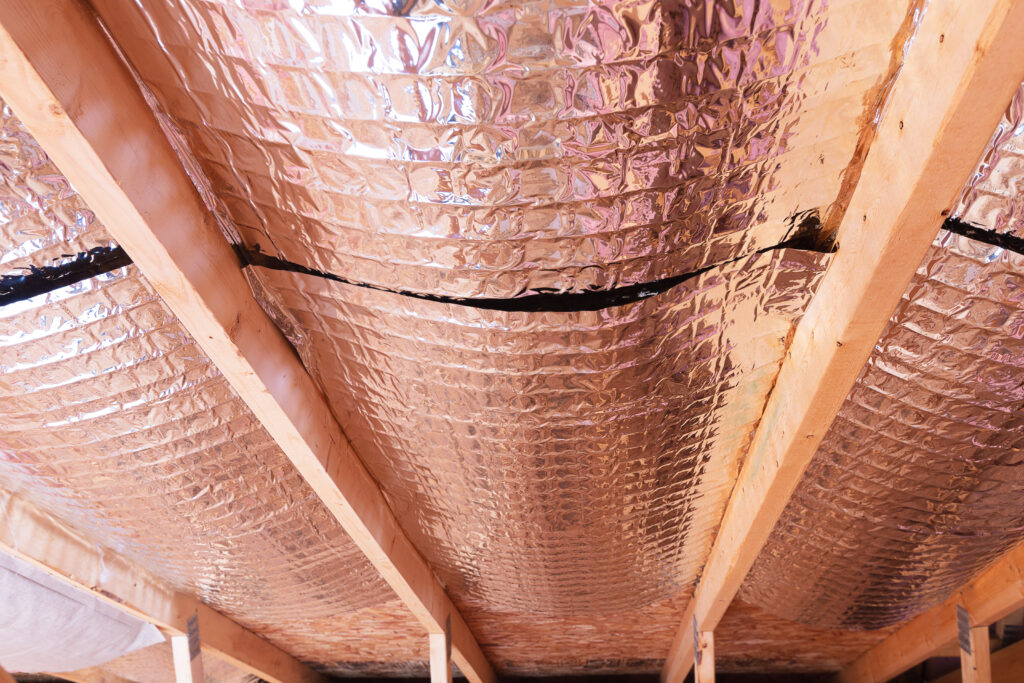
Crawl Space Moisture Barriers: Stop Mold Before the Holidays
The holiday season brings warmth, gatherings, and festive cheer—but it also brings a rise in indoor humidity and seasonal moisture that can affect even the most overlooked parts of the home. One area particularly vulnerable to winter moisture is the crawl space. Often tucked beneath the house and hidden from view, crawl spaces are prone to dampness, condensation, and poor airflow. Left unchecked, these conditions can quickly lead to mold growth, wood rot, and damage that threatens both the structure and indoor air quality.
During the winter holidays, homes are often heated more than usual, which interacts with damp winter soil to create a warm, moist environment in the crawl space. Warm air rising from living areas mixes with cool subfloor air, leading to condensation on joists, ductwork, and the ground. Over time, this moisture accumulation becomes a breeding ground for mold, bacteria, and even pests seeking damp, protected areas. Without intervention, what starts as minor humidity can become a serious structural and health problem.
Crawl space moisture is not only a concern for the home’s structural integrity but also for family safety. Mold spores and allergens from damp wood or insulation can migrate upward into living spaces, impacting indoor air quality during a season when windows remain closed. Holiday gatherings, increased indoor activity, and stored seasonal items can exacerbate the problem, making prevention a priority before winter reaches its peak.
Homeowners who act early can prevent major issues by using vapor barriers, sump pumps, and proper moisture management. Installing a vapor barrier, maintaining airflow, and removing excess water are all effective steps to ensure that crawl spaces remain dry and structurally sound throughout the winter. By protecting this hidden area of the home, homeowners not only prevent mold and rot but also maintain a safer, more comfortable environment for holiday guests.
Why This Problem Happens
Crawl space moisture accumulates due to a combination of seasonal and structural factors. Understanding these causes helps homeowners take targeted action.
Ground Moisture and Humidity
Winter soil often holds residual water from rain or melting snow. Moisture naturally migrates upward into crawl spaces through porous concrete, dirt floors, and foundation vents, creating a damp environment.
Poor Ventilation
Limited airflow in enclosed crawl spaces traps humidity, preventing moisture from evaporating. This stagnant air allows condensation and mold growth to develop quickly.
Holiday Heating
Increased home heating creates warm air that rises through floor joists and interacts with cooler subfloor surfaces. The resulting condensation adds to the moisture problem.
Vapor Transmission
Water vapor can pass through porous concrete and untreated soil. Without a barrier, this moisture accumulates on insulation, wood beams, and stored items, promoting mold and rot.
Structural Leaks
Leaky plumbing, foundation cracks, and improperly sealed openings can introduce additional water sources, amplifying the risk of damage during colder months.
Where the Problem Starts / Common Causes
Certain crawl space areas and common home features are particularly susceptible to moisture accumulation:
Dirt Floors
- Porous soil allows water vapor to rise
- Standing water can develop in low spots
- Uncovered floors increase mold risk
Exposed Insulation
- Batt insulation touching the ground absorbs moisture
- Damaged insulation loses effectiveness
- Damp insulation creates ideal nesting areas for mold and pests
Foundation Walls
- Cracks and gaps allow seepage from outside
- Unsealed vents let in humid air
- Improper grading around the foundation directs water toward the house
Plumbing and HVAC Lines
- Leaks or condensation from pipes
- Uninsulated ducts trapping moisture
- Sump pump or drain line malfunctions
Stored Items
- Cardboard boxes or fabrics absorb humidity
- Items stored directly on the crawl space floor worsen moisture issues
- Clutter reduces airflow and inspection visibility
Warning Signs
Moisture and mold issues in crawl spaces often go unnoticed until serious damage occurs. Homeowners should watch for these early indicators:
- Musty odors rising into the living area
- Visible mold on wood beams, insulation, or ductwork
- Warped or rotting subflooring
- Condensation or standing water on the crawl space floor
- Rust or corrosion on metal pipes and supports
- Increased allergy symptoms or respiratory irritation
- Pest activity, such as rodents or insects attracted to damp areas
Early detection prevents extensive remediation work and safeguards home comfort during the winter season.
How to Prevent the Problem
Effective crawl space moisture control combines multiple strategies that protect the home and reduce mold risk.
1. Seal, Inspect, and Repair
- Seal foundation cracks and gaps with waterproof caulk or epoxy
- Ensure vents and openings are properly screened and closed if recommended
- Inspect plumbing and HVAC lines for leaks
- Repair damaged insulation or joists
- Check sump pump operation before the first freeze
2. Clean and Declutter
- Remove old cardboard, paper, or fabric stored on the floor
- Keep crawl space free of debris and nesting materials
- Sweep away dirt piles or standing water areas
- Regularly inspect corners and low points for moisture buildup
3. Manage Outdoor Areas
- Grade soil away from the foundation to prevent water pooling
- Extend downspouts to direct runoff away from the house
- Ensure gutters are clear and functioning
- Remove leaves and debris near crawl space vents
- Check exterior drainage paths for blockages
4. Improve Moisture Control
- Install a high-quality vapor barrier covering dirt floors and extending up walls
- Consider a dehumidifier designed for crawl spaces
- Maintain proper ventilation while limiting excessive humidity
- Insulate pipes and ducts to prevent condensation
- Avoid storing moisture-sensitive items in the crawl space
5. Inspect High-Risk Areas
- Examine corners, floor joists, and wall perimeters for mold or water
- Inspect sump pump and drainage systems regularly
- Monitor humidity levels using a hygrometer
- Check insulation for damp spots or discoloration
- Look for insect or rodent signs in areas of dampness
6. Use Sump Pumps and Drainage Systems
- Install or maintain a functional sump pump to remove excess water
- Ensure drainage pipes lead water away from the foundation
- Consider a backup pump for winter storms or power outages
- Regularly test the system before holiday gatherings
7. Utilize Professional Services
A qualified technician can:
- Assess crawl space for hidden moisture and mold
- Install vapor barriers or insulation correctly
- Repair leaks, damaged joists, and structural issues
- Implement long-term moisture control strategies
- Provide maintenance advice to prevent recurring problems
Professional oversight ensures that all moisture sources are addressed before they threaten home safety and holiday comfort.
Hidden Dangers
Uncontrolled crawl space moisture carries multiple risks that impact health, structure, and finances.
🔌 Electrical Hazards
Excess moisture can corrode wiring and HVAC components, increasing the risk of shorts or fire hazards in winter.
🌬️ Air Quality Concerns
Mold spores and damp air can rise into living spaces, triggering allergies or respiratory issues.
🦠 Health Risks
Prolonged mold exposure leads to potential infections, asthma exacerbation, and irritation for sensitive individuals.
💰 Repair Costs
Unchecked water damage results in costly structural repairs, insulation replacement, and mold remediation—far more expensive than prevention.
Long-Term Strategy / Seasonal Checklist
To keep your crawl space dry and mold-free all winter and beyond:
- Inspect and seal foundation walls every fall
- Install or maintain a vapor barrier on dirt floors
- Keep plumbing and HVAC lines leak-free
- Maintain functional sump pumps with backup power
- Ensure proper grading and gutter drainage outside
- Use a hygrometer to monitor humidity regularly
- Avoid storing moisture-sensitive items in the crawl space
- Schedule professional inspections annually for preventative maintenance
Consistent seasonal attention helps prevent costly winter damage and ensures a safe, healthy home environment during the holidays.
Conclusion
Winter humidity, poor ventilation, and holiday heating combine to create the perfect conditions for crawl space mold and rot. Installing vapor barriers, maintaining sump pumps, and implementing proper moisture control are essential steps to protect your home before the holidays arrive. Early action safeguards both structural integrity and indoor air quality, keeping family gatherings comfortable and worry-free.
As cold weather approaches, take control of your crawl space now. A dry, well-protected crawl space prevents mold growth, reduces repair costs, and keeps your home healthy throughout the winter season. For thorough protection and lasting peace of mind, professional inspection and installation of moisture barriers provide the most reliable solution this holiday season.