
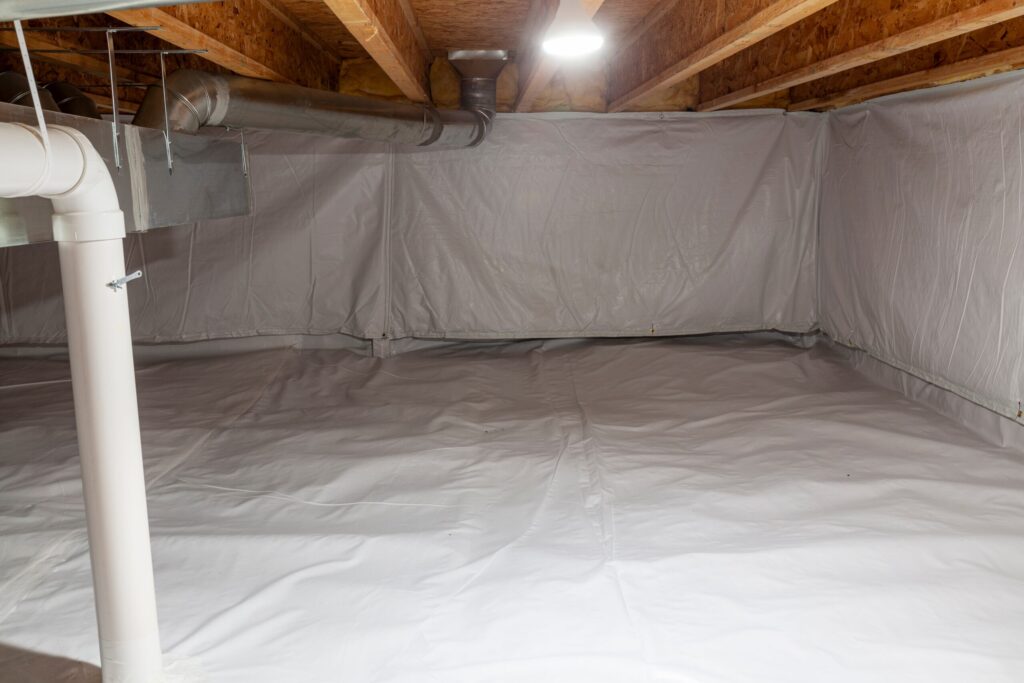
Crawlspace Insulation: A Complete Guide for Bay Area Homes
Crawlspace Insulation is one of the most overlooked upgrades in many homes—until the symptoms become hard to ignore. Cold floors, drafty rooms, musty odors, and seasonal discomfort often trace back to the space under your home. In the Bay Area, crawlspaces can also deal with microclimate swings: coastal air and fog in some areas, warmer inland conditions in others, and periodic winter rain that can push moisture into the lowest parts of the building.
This guide is an explainer, not a sales pitch and not a technical textbook. The goal is to help you understand what crawlspaces are doing, why insulation sometimes “fails,” and how to choose an approach that supports comfort, moisture control, and indoor air quality. Along the way, you’ll learn what to look for before installation, how insulation interacts with ventilation and vapor barriers, and when a professional inspection makes the most sense.
Quick Answer: What Crawlspace Insulation Does and Why It Matters
- Comfort: Crawlspace Insulation reduces cold floors and drafts by slowing heat transfer and limiting air movement from below.
- Moisture management: Insulation works best when the crawlspace stays dry and controlled. Moisture issues should be addressed first.
- Air quality: A leaky or damp crawlspace can send odors, humidity, and contaminants upward into living spaces through small gaps.
- Energy efficiency: Insulation can reduce the workload on heating and cooling systems by stabilizing temperatures at the floor level.
- Best results: Insulation + air sealing + a vapor barrier strategy usually outperforms insulation alone.
- Common mistake: Installing insulation without fixing drainage, standing water, or venting issues can lead to damp materials and poor performance.
What Is a Crawlspace, and Why Homes Have Them
A crawlspace is the shallow area between the ground and the first floor of a home. It’s typically accessed through a small door or hatch, and it often houses plumbing, ducts, wiring, and structural framing. Homes may have crawlspaces for practical reasons such as grade changes, construction style, and easier access to utilities compared to a slab foundation.
From a building-science perspective, the crawlspace is a boundary zone: it sits between the outdoors (soil, moisture, outside air) and the indoors (conditioned rooms above). That’s why problems down there can “echo” upstairs. If the crawlspace is cold, your floors often feel cold. If the crawlspace is damp, odors and humidity can creep into living spaces. If the crawlspace is leaky, it can behave like a pathway for air movement that undermines comfort throughout the house.
How Crawlspace Insulation Works (In Plain English)
Insulation slows heat transfer. Heat naturally moves from warmer areas toward cooler areas. In winter, heat inside your home wants to move downward through the floor into a cooler crawlspace. In warmer seasons, the direction can reverse depending on conditions, but the bigger issue in many crawlspaces is not just heat transfer—it’s air movement and moisture.
Crawlspace Insulation is most effective when it’s part of a complete system:
- Insulation reduces heat flow through the floor or perimeter walls.
- Air sealing reduces drafts and prevents crawlspace air from sneaking into living areas.
- Moisture control keeps insulation dry so it retains performance and avoids odor or degradation.
If one of those pieces is missing, homeowners often end up with “mystery symptoms”—like insulation that looks fine but still doesn’t solve comfort issues.
Why Crawlspace Insulation Is Especially Relevant in the Bay Area
The Bay Area isn’t one uniform climate. Some neighborhoods experience persistent cool air and fog influence, while others can see higher heat during warm spells. Rain patterns and soil conditions vary too. Crawlspaces are sensitive to these factors because they sit close to ground moisture and are strongly affected by airflow patterns around the home.
Here are common Bay Area-specific realities that make Crawlspace Insulation planning important:
- Cooler seasons + damp air: moisture can collect in a crawlspace if ventilation and vapor control aren’t handled properly.
- Older housing stock: many homes have irregular framing, unsealed penetrations, and legacy insulation that has shifted or fallen.
- Coastal-to-inland swings: temperature differences can drive condensation and “musty crawlspace” complaints if air sealing is poor.
- Pest pressure: crawlspaces are attractive to rodents and other pests, which can damage or contaminate insulation.
Common Signs You Might Benefit from Crawlspace Insulation
You don’t need to be an expert to spot the clues. If your home has a crawlspace, these are some of the most common indicators that insulation, sealing, or moisture control should be evaluated:
- Cold floors in winter or mornings, especially in rooms above the crawlspace.
- Drafts at floor level even when windows and doors are closed.
- Musty odors that come and go, often stronger after rain or during damp periods.
- Uneven comfort where certain rooms feel harder to heat or cool.
- Higher HVAC runtime without a clear explanation (especially when the thermostat setting hasn’t changed).
- Visible moisture such as damp soil, standing water, or condensation on pipes and ducts.
- Allergy-like irritation that seems worse at home (crawlspace air can migrate upward through gaps).
These symptoms don’t always mean “add insulation immediately.” Often, the best first step is a structured inspection that looks at moisture, airflow, and the existing insulation condition.
Vented vs. Sealed Crawlspaces (And Why This Choice Matters)
When people talk about crawlspaces, they usually mean one of two setups:
- Vented crawlspace: outside air enters through foundation vents. The floor above is typically insulated (under the subfloor).
- Sealed (unvented) crawlspace: vents are closed or not used as primary airflow. The crawlspace is treated more like a controlled buffer zone, often with insulation on the perimeter walls and strong vapor control on the ground.
Both strategies can work when installed correctly, but they behave differently. A vented crawlspace can be vulnerable to humid outdoor air (which can raise crawlspace humidity under certain conditions). A sealed crawlspace requires deliberate moisture control (like a robust vapor barrier and proper sealing) to stay stable. In either approach, insulation needs to match the strategy—otherwise performance and durability can suffer.
If you’re unsure which type you have, a quick clue is the presence of foundation vents and whether they’re open, blocked, or absent. Another clue is where insulation is installed: under the floor (vented strategy) or along perimeter walls (sealed strategy).
Moisture Comes First: Why a Damp Crawlspace Undermines Insulation
One of the biggest misunderstandings about Crawlspace Insulation is the belief that insulation will “fix” a damp crawlspace. Insulation is not a moisture cure. If moisture is present, insulation can become less effective and sometimes contribute to odor or material issues.
Common moisture sources include:
- Ground moisture: evaporation from exposed soil, especially without a proper vapor barrier.
- Drainage problems: poor grading, clogged gutters, or downspouts dumping water near the foundation.
- Plumbing leaks: small drips that persist over time.
- Condensation: humid air contacting cooler surfaces (pipes, ducts, framing).
- Ventilation imbalance: outside air entering a cool crawlspace can raise relative humidity under certain conditions.
A practical rule: if you can see standing water, soggy soil, or widespread dampness, moisture control should be addressed before insulation is added or replaced. Otherwise, you may end up insulating a problem instead of solving it.
Air Sealing: The “Hidden Upgrade” That Makes Insulation Work Better
Even with good insulation, air can leak between the crawlspace and the home through gaps around plumbing penetrations, wiring holes, HVAC registers, and the rim joist area. These pathways can:
- pull damp or musty air into living spaces,
- create drafts at floor level,
- reduce the real-world impact of insulation.
Air sealing typically focuses on obvious penetrations and leakage-prone zones—especially around the rim joist, pipe chases, and any large openings between framing bays. The best approach depends on the crawlspace type and materials, but the guiding idea is consistent: stop uncontrolled air movement so insulation can do its job.
Insulation Approaches: Under-Floor vs. Perimeter Wall
There are two main “locations” where Crawlspace Insulation is commonly installed. Which one is appropriate depends on whether the crawlspace is vented or sealed, and what your moisture strategy is.
Option A: Under-Floor (Subfloor) Insulation
This is most common in vented crawlspaces. Insulation is installed between floor joists under the living space, typically held in place with support wires or netting. The goal is to reduce heat loss and keep floor surfaces warmer.
Key considerations:
- Insulation must be supported properly to avoid sagging and gaps.
- Air sealing above or at penetrations still matters.
- Moisture and pest issues can damage or displace insulation over time.
Option B: Perimeter Wall Insulation (Often with a Sealed Crawlspace)
This approach insulates the crawlspace boundary at the foundation walls instead of the floor above. It can help keep the crawlspace closer to indoor temperature, reduce humidity swings, and protect plumbing and ducts located in the crawlspace—when moisture control is done correctly.
Key considerations:
- A durable vapor barrier strategy on the ground is usually essential.
- Sealing vents and gaps is typically part of the system design.
- Details matter: edges, seams, and transitions often decide the final performance.
In practice, many crawlspace projects involve a combination: addressing ground moisture, sealing air leaks, and choosing the insulation location that matches the crawlspace behavior.
Common Insulation Materials Used in Crawlspaces
Insulation materials differ in how they handle moisture, air movement, and installation complexity. Here’s a homeowner-friendly overview of the common options you’ll hear about during a crawlspace evaluation.
Fiberglass (Batts)
Fiberglass batts are widely used under floors in vented crawlspaces. They can work well when installed tightly, supported properly, and kept dry. The biggest issues arise when batts sag, get compressed, or become damp. In real crawlspaces, these conditions can happen if there are moisture problems, pest activity, or poor support.
Rigid Foam Board
Rigid foam is often used on crawlspace perimeter walls (especially in sealed strategies). It can provide consistent coverage with fewer gaps when installed correctly, and it tends to be more resistant to minor moisture exposure than fibrous insulation. Installation details—like sealing seams and transitions—are important for long-term results.
Spray Foam (Situational)
Spray foam can provide both insulation and air sealing in one step, especially at rim joists or tricky leakage points. It’s often used strategically rather than as a one-size-fits-all solution. The right application depends on the crawlspace design, moisture conditions, and access constraints.
Vapor Barriers (Not Insulation, but Closely Related)
A vapor barrier is not insulation, but in crawlspaces it can be just as important for performance. A ground cover reduces moisture evaporation from soil and helps stabilize crawlspace humidity. The quality of installation (seams, attachment, coverage) often determines effectiveness.
What to Inspect Before Installing Crawlspace Insulation
If you want a crawlspace insulation upgrade to last, inspect first. Here are the areas that most often decide whether the project succeeds:
- Standing water or wet soil: look for puddles, dark damp areas, or water staining.
- Drainage: check downspouts, gutter discharge location, and grading around the foundation.
- Plumbing leaks: scan pipes, joints, and valves for slow drips or corrosion.
- Vent condition: are vents open, blocked, broken, or missing screens?
- Existing insulation condition: sagging, gaps, compression, discoloration, or pest disturbance.
- Ductwork and HVAC: look for disconnected runs, damaged insulation on ducts, or condensation.
- Pest signs: droppings, nesting, chewed materials, or strong odor.
- Wood condition: stains, softness, or widespread dampness on framing can signal moisture issues.
It’s common to find more than one issue. For example, minor drainage problems can lead to dampness, which attracts pests, which then damage insulation—creating a chain reaction. The best plan addresses root causes in the right order.
Common Crawlspace Insulation Problems (and What They Usually Mean)
Homeowners often discover crawlspace issues after something feels off upstairs. Here are common “findings” and what they typically indicate:
Insulation Is Hanging or Falling Down
This usually means the material wasn’t supported well, became damp, or was disturbed by pests or contractors. Sagging insulation creates gaps that reduce performance and can trap debris. A lasting fix typically involves correcting moisture contributors and reinstalling insulation with proper support.
Insulation Looks Dirty or Dark
Discoloration can come from dust movement, moisture, or air leakage patterns. If the insulation feels damp or smells musty, moisture control should be evaluated. If it’s simply dusty, it can still signal air movement from the crawlspace into the home through gaps.
Musty Odor Persists Even After “Cleaning”
Odors often linger when the crawlspace remains humid or when organic debris and moisture continue to interact. A better long-term approach usually involves controlling ground moisture, sealing air leaks, and ensuring the crawlspace environment stays stable.
Cold Floors Even with Insulation Installed
This can happen if insulation coverage is uneven, if air leaks bypass insulation, or if the crawlspace itself is extremely cold and windy (common in vented setups). Air sealing and edge detailing can be as important as adding more insulation.
Condensation on Pipes or Ducts
Condensation often suggests humid air meeting a cooler surface. This can point to ventilation problems, missing vapor control, or a crawlspace that’s getting humid air from outdoors or from the house. Solving condensation usually requires addressing humidity and airflow, not just adding insulation.
How Crawlspace Insulation Interacts with Pests
Crawlspaces are a common entry zone for rodents and other pests. Insulation can become a nesting material or a hiding place, especially if there are gaps, openings, or exposed edges. Pest activity matters because it can:
- compress or displace insulation, reducing performance,
- introduce odor and contamination,
- damage wiring or ducting,
- create repeat issues if entry points aren’t sealed.
If you suspect pest activity, a good plan often includes exclusion (sealing entry points) and cleanup or replacement of affected materials before installing new insulation.
Installation Best Practices (What “Good Work” Looks Like)
Even an excellent insulation material won’t perform if installation is sloppy. While the exact best practices depend on your crawlspace type, these principles are consistently important:
- Continuous coverage: minimize gaps and missing sections, especially at edges and transitions.
- Proper support: under-floor insulation should be held in place to prevent sagging over time.
- Air sealing before insulation where needed: stop drafts and crawlspace-to-home air pathways.
- Moisture strategy: address drainage and ground moisture so insulation stays dry.
- Careful detailing: rim joists, penetrations, and seams often decide the final result.
If you want to see the service details for a professional approach, review our Crawlspace Insulation Installation page, which outlines what’s included and what the team checks during an evaluation.
What to Do If Your Crawlspace Has Existing (Old) Insulation
Many Bay Area homes already have some insulation under the floor—sometimes installed decades ago. Whether it should be kept depends on condition and environment. Consider these scenarios:
Keep It (Sometimes) If…
- it is dry, intact, and supported properly,
- coverage is consistent with minimal gaps,
- there are no odor or pest issues,
- the crawlspace is not showing persistent moisture symptoms.
Replace It (Often) If…
- it is sagging, falling, or heavily compressed,
- it shows signs of dampness or musty odor,
- pests have nested in it or contaminated it,
- air sealing and moisture control work is planned and the old insulation is in the way.
The key is not just “old vs. new,” but whether the insulation can remain dry, continuous, and undisturbed in the crawlspace environment.
How to Prepare Your Home for Crawlspace Insulation Installation
If you’re planning a crawlspace insulation project, a little preparation helps the work go smoother and leads to better results:
- Clear access: make sure the crawlspace entry is accessible and not blocked by storage.
- Note problem areas: track where floors feel cold or where odors are strongest. This helps identify air leakage paths.
- Run fixtures and fans as usual: everyday conditions can reveal moisture or ventilation issues that “perfect day” inspections might miss.
- Fix obvious drainage items: redirect downspouts away from the foundation and keep gutters flowing.
- Document history: if you’ve had leaks, flooding, or pest issues, share that timeline during the inspection.
In many cases, the best outcomes happen when the crawlspace is treated as a system: moisture control + sealing + insulation installed to match the crawlspace type.
Long-Term Maintenance Tips (So the Upgrade Keeps Working)
Once Crawlspace Insulation is installed correctly, maintenance is usually simple—but it matters. These habits help prevent the most common crawlspace setbacks:
- Keep gutters and downspouts functional: water near the foundation is a frequent source of crawlspace moisture.
- Watch for plumbing drips: small leaks can become big humidity problems over time.
- Check vent screens and access doors: keep pests out and protect the crawlspace boundary.
- Monitor odors: musty smells can be an early warning sign of moisture changes.
- Re-check after storms: heavy rain is when drainage weaknesses show up.
If your crawlspace is sealed, periodic checks of vapor barrier integrity and any humidity-control measures are especially important.
When to Call Attic Pros for Crawlspace Insulation in the Bay Area
Some crawlspace issues are straightforward, but many involve multiple overlapping factors—moisture, air leakage, pest entry points, and old materials. You should consider a professional evaluation if you notice:
- Persistent musty odors or recurring dampness under the home
- Visible moisture on soil, framing, pipes, or ducts
- Insulation that is sagging or falling
- Pest signs such as droppings, nesting, or chewed materials
- Ongoing comfort problems like cold floors or drafts even after basic fixes
Learn more about our Crawlspace Insulation Installation service and what an inspection typically looks for. If you’re ready to schedule, you can book an estimate and we’ll help you identify the best approach for your home.
For convenience, many homeowners prefer to schedule online—here’s the same booking link again: Book an estimate.
FAQ: Crawlspace Insulation
Is Crawlspace Insulation always worth it?
Crawlspace Insulation is most beneficial when it targets real symptoms—cold floors, drafts, uneven comfort, or moisture-related issues. The biggest improvements typically come when insulation is paired with air sealing and moisture control so the crawlspace environment stays stable.
Should I insulate the floor or the crawlspace walls?
It depends on whether your crawlspace is vented or treated as a sealed, controlled space. Under-floor insulation is common for vented crawlspaces. Perimeter wall insulation is commonly used when the crawlspace is sealed and ground moisture is controlled. A proper inspection helps match the strategy to the conditions.
Can Crawlspace Insulation help with musty odors?
Sometimes, but odors usually come from moisture and airflow. Insulation can reduce the pathway for odor transfer if air leaks are sealed, but if the crawlspace remains damp, odors can persist. Moisture control and sealing are often the key steps.
What causes cold floors even when insulation is present?
Common causes include gaps in coverage, sagging insulation, air leaks that bypass insulation, wind washing in vented crawlspaces, or a crawlspace that remains unusually cold due to ventilation patterns. Sealing and better detailing often resolves “cold strip” areas.
Does Crawlspace Insulation reduce drafts?
It can reduce drafts when combined with air sealing. Insulation slows heat transfer, but uncontrolled airflow through gaps is a major draft driver. Sealing penetrations and leakage zones helps insulation perform more consistently.
What if there are pipes and ducts in the crawlspace?
Pipes and ducts in the crawlspace often benefit from a stable crawlspace environment. Depending on the setup, sealing air leaks, ensuring duct connections are intact, and choosing the right insulation location can help protect comfort and reduce condensation risk.
How do pests affect Crawlspace Insulation?
Pests can tunnel, compress, or nest in insulation, which reduces performance and can introduce odor and contamination. If pest activity is present, exclusion (sealing entry points) and cleanup may be needed before installing new insulation.
Do I need a vapor barrier if I install Crawlspace Insulation?
Many crawlspaces benefit from vapor control because ground moisture can evaporate upward. A vapor barrier strategy can stabilize humidity and help keep insulation dry. The right approach depends on the crawlspace type and existing conditions.
How do I know if my crawlspace has moisture problems?
Clues include musty odor, condensation on pipes or ducts, damp soil, staining on wood framing, or visible water after storms. Moisture issues should be evaluated and addressed before insulation is installed or replaced.
Will Crawlspace Insulation improve indoor air quality?
It can, especially when it’s part of a system that reduces crawlspace-to-home air leakage. Sealing gaps and controlling moisture helps prevent odors, humidity, and crawlspace air from moving into living spaces.
How often should a crawlspace be checked?
A periodic visual check helps catch drainage issues, small leaks, or pest activity early. Many homeowners also do a quick check after major storms or whenever they notice new odors or comfort changes.
Conclusion
Crawlspace Insulation is not just about adding material under your floor—it’s about improving how your home handles heat, air movement, and moisture from the ground up. In Bay Area homes, the best outcomes come from a complete plan: identify moisture sources, seal major air leaks, choose the insulation strategy that fits your crawlspace type, and install with consistent coverage and proper support.
If you’re seeing cold floors, drafts, or musty odors, a professional crawlspace evaluation can quickly reveal whether insulation, air sealing, moisture control, or a combination is the right next step. When the root cause is addressed, the comfort improvement usually becomes obvious—because the crawlspace stops working against the rooms above it.