
Pest and Rodent Control
Rodent Exclusion in the Bay Area: Why Traps Aren’t Enough
February 5, 2026
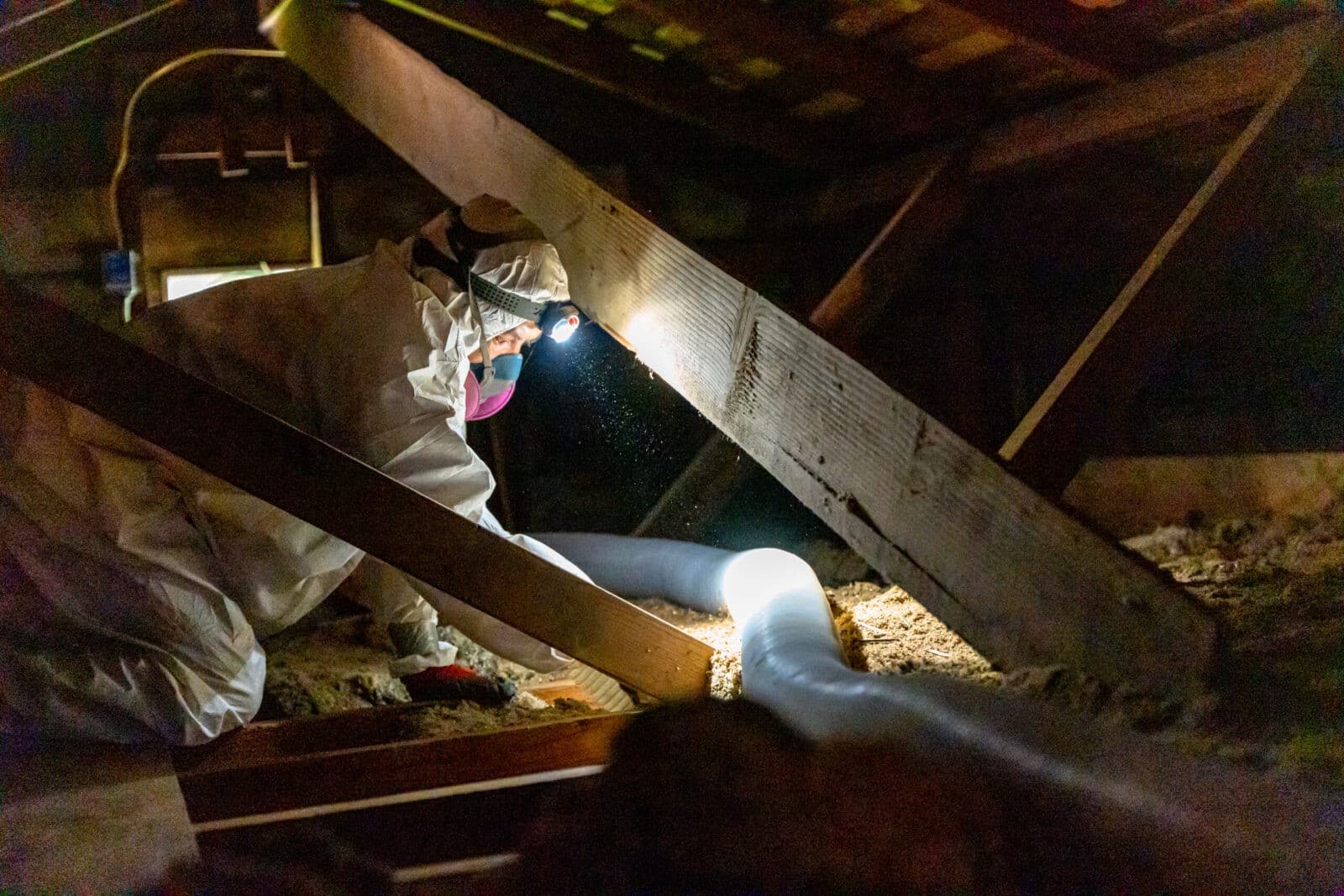
If you’ve heard scratching in the attic, found droppings, or noticed that “mystery smell” that won’t go away — you’re not alone. In late winter and early spring, rodents are still active indoors across the Bay Area. Traps might catch a mouse or a rat… but they rarely solve the problem.
Here’s the truth:
Rodent removal is step one.
Rodent exclusion is what stops them from coming back.
In this guide you’ll learn:
-
Why rodents move indoors in late winter (Bay Area-specific reasons)
-
The inspection signs pros look for (and where)
-
Why “catching them” isn’t the same as “fixing it”
-
How exclusion works: materials, methods, and sequencing
-
Cost factors (what actually drives the price)
-
When DIY is fine — and when you should call a pro
✅ Book a professional rodent inspection / exclusion estimate
If you want a lasting fix (not an endless trap cycle), start with an inspection.
Book a Rodent Inspection
Why rodents move indoors in late winter (Bay Area angle)
Rodents don’t “hibernate.” When temperatures drop and rain picks up, they search for stable shelter — and a home offers everything they need:
-
Warmth (especially attics and wall cavities)
-
Food (kitchens, pantries, pet food)
-
Water (leaks, condensation, crawl spaces)
-
Quiet nesting zones (attic insulation is basically a luxury apartment for them)
In the Bay Area, late winter can mean persistent moisture + cooler nights + older housing stock. Homes with crawl space vents, aging rooflines, and unsealed pipe penetrations often have tiny gaps that rodents exploit.
The real problem: entry points (why exclusion beats trapping)
Traps are reactive. They deal with the symptom (a rodent inside), not the cause (how it got in).
Here’s what usually happens:
-
You set traps → you catch one or two
-
It feels “fixed” for a week
-
New rodents enter through the same gap(s)
-
The cycle repeats — often worse than before
Exclusion is different:
-
You identify entry points
-
You remove active rodents
-
You seal and reinforce access routes
-
You reduce attractants
-
You follow up to confirm activity is gone
If you skip exclusion, you’re basically leaving the door open.
Inspection checklist (what pros look for)
A proper rodent inspection is not just “peek in the attic and shrug.” Pros systematically look for:
-
Where rodents are getting in
-
Where they’re nesting
-
Where they’re traveling
-
What damage is happening (and how urgent it is)
Common entry areas (Bay Area homes)
-
Roofline gaps and eave returns
-
Around plumbing penetrations
-
Attic vents and fan openings
-
Crawl space vents
-
Garage corners and door gaps
-
Utility lines, HVAC penetrations, cable runs
-
Gaps behind stucco / siding transitions
Entry-point size (keep this simple)
Rodents don’t need a “hole.” They need a small gap — and they are excellent climbers and squeezers. If you can see daylight through it, assume it’s a potential entry route until proven otherwise.
Signs of rodents in attic / walls / crawl space
Look for:
-
Droppings (especially near edges, insulation, corners)
-
Rub marks / grease marks (dark smudges along beams, pipes, edges)
-
Gnawing / chew marks (wood, wires, plastic, ducts)
-
Shredded insulation or “tunnels” through insulation
-
Noises at night (scratching, scurrying)
-
Odors (musky ammonia-like smell can indicate urine contamination)
Important: Rodent droppings and contaminated insulation should be handled carefully. Avoid sweeping or dry vacuuming.
Removal options: trapping, sanitation, and why poison is risky
Trapping (targeted and strategic)
Traps can be effective when used correctly:
-
placed along travel routes (rodents hug edges)
-
set in multiple locations (not just “one trap by the hatch”)
-
monitored and reset consistently
Why poison can be risky (in many situations)
Rodenticides may create complications:
-
rodents can die inside walls/attics, causing odor and insect activity
-
secondary exposure risk for pets/wildlife in certain contexts
-
you still haven’t solved the entry problem
This is why many long-term solutions focus on removal + exclusion, not just chemical control.
Sanitation matters (even if you caught them)
If rodents have been in your attic or crawl space:
-
droppings and urine can contaminate insulation
-
scent trails can attract new rodents
-
damaged insulation reduces comfort and energy performance
How exclusion is done (materials + methods)
Exclusion is not “spray foam everywhere.” A proper exclusion job uses the right materials for the right gap.
Materials commonly used
-
Metal mesh / hardware cloth (great for vents and larger openings)
-
Flashing / metal barriers (roofline and structural gaps)
-
Professional-grade sealants (for finishing and weatherproofing)
-
Steel wool / copper mesh (for certain tight gaps as part of a layered seal)
Typical exclusion targets
-
gaps around pipes and utility penetrations
-
damaged or unprotected vents
-
roofline construction gaps
-
crawl space vent vulnerabilities
-
garage corner gaps and door-edge issues
Sequencing (this is where most DIY fails)
A common fear is: “If I seal everything, won’t I trap rodents inside?”
That’s why pros follow a sequence:
-
confirm activity + map routes
-
removal (trapping / controlled strategy)
-
seal primary entries (often staged)
-
reinforce vulnerable zones
-
follow-up to confirm zero activity
Exclusion works best when it’s done as a system, not as random patchwork.
What happens if you delay
Rodents don’t just “hang out.” Over time, the damage compounds:
-
Wire gnawing can create real fire risk
-
Insulation damage lowers comfort and increases heating/cooling load
-
Odors and air quality issues can spread through small leaks between attic/crawl space and living areas
-
Repeat invasions become more likely if scent trails and entry points remain
If you suspect attic activity, it’s usually cheaper and easier to act early.
Cost factors (what influences pricing)
Every home is different, but pricing usually depends on:
-
home size and layout
-
attic/crawl space accessibility
-
number of entry points and complexity of sealing
-
severity of infestation and contamination
-
whether insulation removal or sanitation is required
-
roofline height / safety requirements / staging needs
If you want a real number, it starts with an inspection and scope.
DIY vs Pro: quick decision guide
DIY may be OK if:
-
you saw a single sign once (not repeated)
-
you found one obvious gap and can safely access it
-
there’s no droppings contamination in insulation
-
no attic/crawl space work is required
Call a pro if:
-
activity keeps returning (sounds, droppings, sightings)
-
you suspect attic or crawl space nesting
-
there’s strong odor or visible contamination
-
you see gnawing near wiring or HVAC
-
you can’t confidently find/verify all entry points
Next steps: a simple plan that actually works
-
Inspection (identify entry points + activity zones)
-
Removal plan (targeted traps + monitoring)
-
Exclusion (seal + reinforce vulnerable spots)
-
Follow-up (confirm no activity, adjust if needed)
-
Optional: sanitation / insulation repair if contaminated
✅ Book a professional rodent inspection / exclusion estimate
Book a Rodent Inspection
FAQ
Can mice fit through tiny gaps?
Yes. Mice can squeeze through surprisingly small openings. If a gap looks even remotely passable, treat it as suspicious until you confirm otherwise.
Is rodent exclusion permanent?
Exclusion can be long-lasting when it’s thorough and reinforced correctly. Like any home system, it benefits from periodic checks (especially after storms, repairs, or aging vent covers).
Are ultrasonic repellents effective?
Results are inconsistent. They may not address the root issue — entry points and nesting conditions — which is why they rarely solve an established problem.
What are rub marks (grease marks)?
Rodents often travel the same routes. Their fur leaves dark smudges along beams, pipes, and edges — a strong indicator of repeat traffic.
How long does exclusion take?
It depends on the number of entry points, access, and scope. Some homes can be addressed quickly; others require a staged approach with follow-up.
Will sealing trap rodents inside?
If done incorrectly — it can. That’s why the sequence matters: inspection → removal strategy → staged sealing → follow-up verification.
