
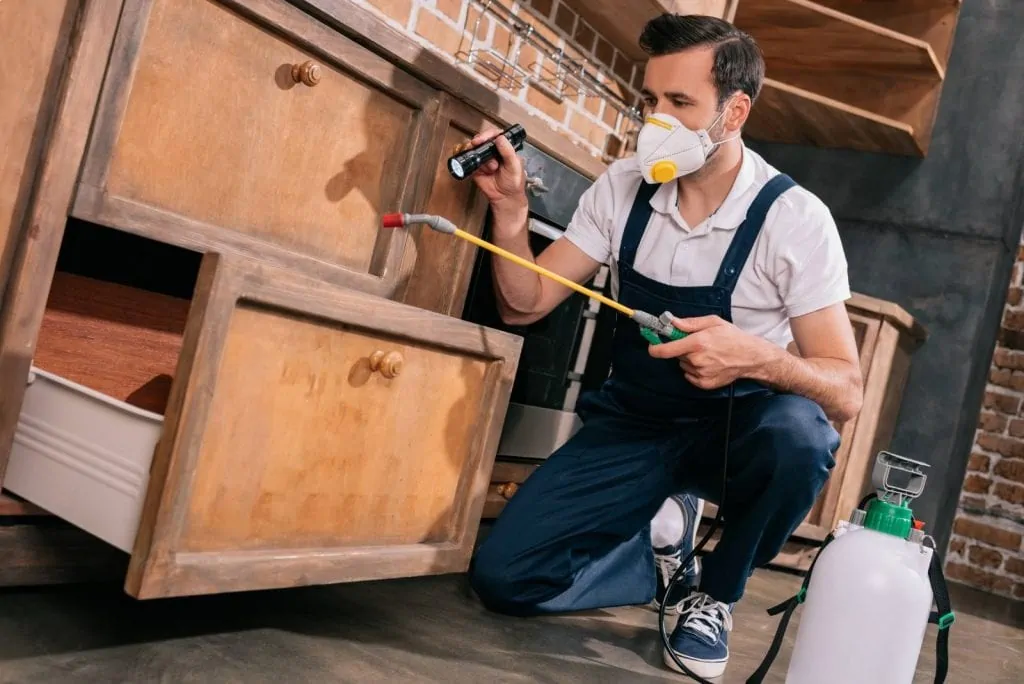
Year-End Home Inspection
Seal, Clean, and Prepare for January is essential for homeowners looking to close out the year with a safe, secure, and pest-free home. The holiday season often leaves homes busy, cluttered, and vulnerable to damage or infestations. With temperatures dropping and winter in full swing, pests are actively seeking warmth, shelter, and food. A comprehensive year-end inspection ensures your home is protected, energy-efficient, and ready to welcome the new year without surprise repairs or infestations.
Rodents, insects, and moisture-related problems thrive in unmonitored homes during winter. Cluttered storage areas, unattended gutters, leaky pipes, and unsealed entry points provide ideal conditions for pests and structural issues. By performing a thorough inspection and implementing preventive measures now, homeowners can safeguard their property and maintain comfort, health, and safety throughout the coldest months.
This guide outlines a complete year-end home inspection checklist, focusing on sealing gaps, cleaning high-risk areas, and preparing for winter maintenance. Following these steps reduces pest activity, prevents water damage, and ensures a smooth transition into January.
Why Year-End Inspections Are Important
The end of the year presents unique risks for homeowners:
Winter Pests Seek Shelter
Rodents, spiders, and insects migrate indoors for warmth, finding easy access through small gaps and cracks.
Holiday Activity Creates Hazards
Cooking, decorating, and storage of seasonal items generate clutter and leftover food, both of which attract pests.
Weather Stress
Snow, ice, and freezing temperatures can exacerbate leaks, gaps, and structural weaknesses if left unchecked.
Delayed Maintenance
Busy schedules and holiday distractions often delay routine cleaning, gutter maintenance, and pest-proofing, increasing risk.
Where Problems Often Begin / Common Causes
Home vulnerabilities can appear in predictable areas:
Kitchens and Pantries
- Crumbs, spills, or forgotten food
- Unsealed containers and boxes
- Overloaded storage shelves
Basements and Crawl Spaces
- Excess moisture or standing water
- Cluttered storage that provides shelter
- Unsealed access doors or vents
Attics and Rooflines
- Gaps around vents, eaves, and chimneys
- Damaged insulation or water leaks
- Stored decorations or boxes as nesting sites
Entryways and Exteriors
- Cracks in foundations, doors, and windows
- Unprotected vents, pet doors, or garage access points
- Outdoor debris near the home’s perimeter
Warning Signs of Pests or Damage
Early detection allows homeowners to prevent serious issues:
- Rodent droppings or gnaw marks
- Chewed packaging, cardboard, or insulation
- Water stains or soft wood
- Musty or moldy odors
- Scratching, rustling, or other unusual noises
- Signs of insect activity such as webs, ants, or cockroaches
How to Conduct a Year-End Home Inspection
1. Seal, Inspect, and Repair
- Close gaps around doors, windows, vents, and utility lines
- Replace or repair damaged weatherstripping and door sweeps
- Patch foundation cracks with concrete or caulk
- Inspect attic and crawl space access points for rodent entry
2. Clean Key Areas
- Sweep and mop kitchen and dining areas thoroughly
- Wipe counters, cabinets, and pantry shelves
- Empty and sanitize trash bins and recycling containers
- Organize storage areas, removing clutter and old cardboard
3. Check Attics and Crawl Spaces
- Remove debris and clutter
- Inspect insulation for signs of damage or rodent activity
- Seal gaps around vents, doors, and eaves
- Install monitoring stations or traps for early detection
4. Inspect and Maintain Gutters
- Clear leaves, debris, and ice buildup
- Ensure downspouts direct water away from the foundation
- Check for signs of leaks or sagging
- Consider gutter guards to reduce maintenance during winter
5. Manage Moisture
- Check under sinks, around laundry areas, and in bathrooms for leaks
- Inspect HVAC drip pans and drainage lines
- Consider dehumidifiers in damp basements or crawl spaces
- Repair or replace sump pumps if necessary
6. Inspect Exterior and Entry Points
- Look for cracks in foundations and walls
- Ensure pet doors and vents are secure
- Trim vegetation away from the home’s perimeter
- Remove debris and firewood from close contact with the house
7. Plan Long-Term Pest Prevention
- Schedule professional pest inspections for early detection
- Trim tree branches and shrubs to prevent rodent access
- Maintain consistent cleaning and inspection routines
- Install door sweeps, vent covers, and rodent-proof mesh
Hidden Dangers
Year-end neglect can lead to serious consequences:
🔌 Electrical Risks
Rodents chewing on wires in attics, basements, or behind appliances can create fire hazards.
🌬️ Indoor Air Quality Issues
Dust, mold, and pest droppings circulating indoors may trigger allergies and respiratory problems.
🦠 Health Risks
Rodents and insects carry bacteria and pathogens that can contaminate surfaces and stored items.
💰 Repair Costs
Water damage, insulation damage, or pest-related destruction can be expensive if not addressed before winter fully sets in.
Long-Term Strategy / Seasonal Checklist
Maintain a pest-free, winter-ready home with these practices:
- Perform inspections and maintenance at year-end each year
- Seal gaps and cracks around doors, windows, and vents
- Keep food in airtight containers and manage kitchen hygiene
- Organize storage areas and remove clutter regularly
- Monitor moisture levels and repair leaks promptly
- Maintain gutters and downspouts to prevent water damage
- Schedule periodic professional inspections to identify hidden risks
A thorough year-end inspection ensures peace of mind and a smooth start to the new year.
Conclusion
Year-End Home Inspection: Seal, Clean, and Prepare for January helps homeowners finish the year proactively, reducing pest risks, protecting property, and ensuring a safe, comfortable start to 2026.
Take action now to inspect, clean, and seal your home. By dedicating time to maintenance today, you prevent costly repairs, protect your family, and create a healthy, pest-free environment for the months ahead.