
Crawlspace Services
Crawl Space Repair Troubleshooting Guide for Bay Area Homes
January 26, 2026
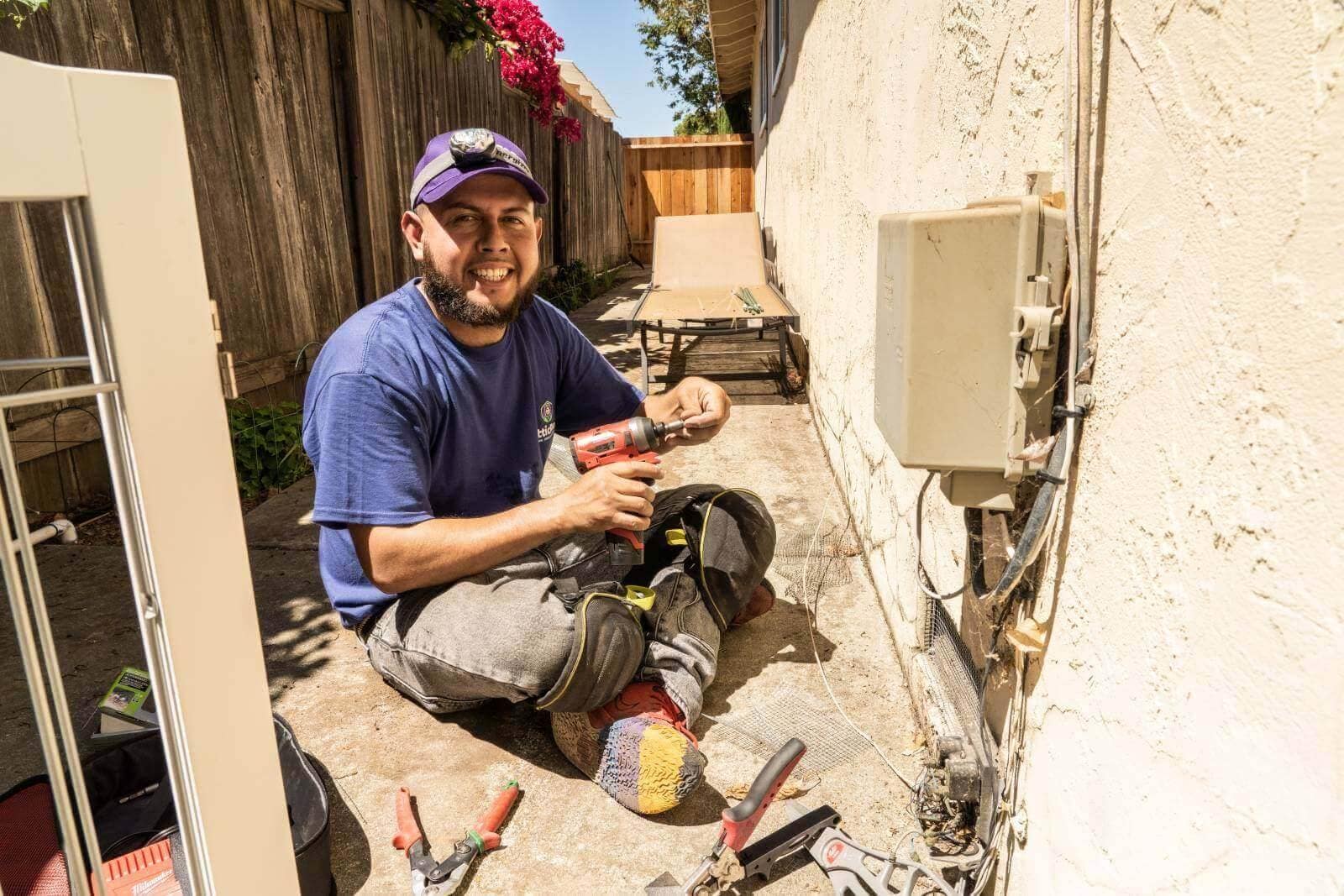
Crawl Space Repair can mean very different things depending on what’s happening under your home. Some people discover a musty smell that seems to “live” in the floors. Others notice sagging insulation, standing water after rain, persistent rodents, or cold drafts. In many Bay Area homes, crawl space issues don’t stay “down there” — air movement, moisture, and odors can travel upward through gaps and penetrations, affecting comfort and indoor conditions.
This troubleshooting guide is designed to help you diagnose the most common crawl space problems in the Bay Area, understand likely root causes, and choose the correct order of fixes. The goal is to avoid wasting effort on surface-level changes while the real driver (water intrusion, air leaks, pest entry, or damaged materials) continues.
Important: Crawl spaces can contain hazards: low clearance, sharp debris, exposed nails, electrical wiring, and potential contamination from pests. If you suspect widespread droppings, strong ammonia-like odor, or damaged wiring, it’s safer to treat this as a controlled project and consider professional evaluation.
Quick Answer: The Crawl Space Repair Rule That Solves Most Problems
If you’re overwhelmed by symptoms, start with this principle:
Fix moisture and entry points first, then repair materials.
Moisture (water intrusion, damp soil, leaks, condensation) is the main factor that drives odors, wood deterioration, insulation failure, and pest attraction. If you repair insulation or install new materials while the crawl space stays damp or accessible, the problem often returns.
If you want a clear diagnosis for your specific home, you can book a free estimate and get a Bay Area crawl space evaluation that focuses on the real causes, not guesswork.
What “Crawl Space Repair” Usually Includes (And What It Doesn’t)
Homeowners often use Crawl Space Repair as a catch-all phrase. In practice, a complete repair plan can include multiple categories of work depending on what’s found:
- Moisture control: drainage corrections, leak identification, ground moisture reduction, vapor barrier strategies.
- Sealing and exclusion: closing gaps at vents, penetrations, access doors, and other entry points for pests and outside air.
- Sanitation and cleanup: debris removal, contamination cleanup, odor source reduction.
- Insulation repair: re-securing or replacing sagging, damaged, or contaminated insulation.
- Air pathway sealing: reducing odor/humidity migration into living areas through penetrations and chases.
- Structural concerns: identifying warning signs that require specialist assessment (not always handled as “basic crawl space work”).
What it usually doesn’t mean:
- “One single product” that fixes everything.
- Cosmetic cleaning without moisture control.
- Sealing one obvious hole and assuming rodents can’t enter elsewhere.
- Replacing insulation without addressing why it fell, got wet, or got damaged.
Step-by-Step Troubleshooting: Identify Your Crawl Space Problem Type
Use this diagnostic flow. You don’t need special tools — just careful observation and a “root cause” mindset.
Step 1: Start With the Symptoms (Pick What Matches You)
- Musty smell indoors (especially near floors)
- Standing water or mud after rain
- High humidity indoors or “stale” feeling
- Sagging or fallen insulation under the floor
- Rodent activity (droppings, noises, nesting)
- Cold floors / drafts that persist
- Visible staining on wood or materials
Step 2: Confirm if Moisture Is Present Right Now
Moisture changes everything. If the crawl space is damp, repairs must prioritize dryness first. Look for:
- wet soil or puddles
- condensation on pipes
- water staining on foundation walls
- musty odor stronger in crawl space than upstairs
- insulation that feels damp or looks darkened
Step 3: Determine Where Water Is Coming From
Water sources often fall into these groups:
- Plumbing leaks: drips under kitchens/bathrooms, supply lines, drains.
- Rain intrusion: grading issues, downspouts dumping near foundation, poor drainage.
- Ground moisture: evaporation from exposed soil raising humidity.
- Condensation: temperature differences causing moisture on surfaces.
Step 4: Check for Pest Evidence and Entry Paths
If rodents are present, Crawl Space Repair should include exclusion (sealing entry points). Look for:
- droppings near edges and corners
- burrows or disturbed soil
- chew marks on wood or ducts
- rub/grease marks along travel paths
- gaps at vents, penetrations, access doors
Troubleshooting by Symptom: Causes and What to Check
Symptom A: Musty Smell in the House (Especially Near Floors)
Likely causes: damp soil, wet insulation, organic debris, contamination, or air pathways carrying crawl space air upward.
What to check:
- Is the crawl space smell stronger than the indoor smell?
- Is there exposed soil (no ground cover) or torn plastic?
- Are there damp zones or standing water?
- Are there visible droppings or nesting materials?
- Do you see gaps around plumbing penetrations into the home?
What to fix first: remove moisture drivers and reduce odor sources (debris/contamination), then seal air pathways that allow odor migration.
Symptom B: Standing Water or Mud After Rain
Likely causes: drainage issues outside the home, poor grading, downspouts dumping near foundation, foundation openings, or crawl space low points collecting water.
What to check:
- Does water appear only after rain or also during dry periods?
- Are downspouts discharging near the foundation?
- Do you see water staining lines on the foundation wall?
- Are there low spots where water pools?
What to fix first: exterior water management and intrusion routes, then interior crawl space stabilization. Cleaning without moisture correction usually fails.
Symptom C: Sagging / Falling Insulation Under the Floor
Likely causes: moisture damage, failed fastening, rodent disturbance, or improper installation.
What to check:
- Is insulation damp or stained?
- Are there signs of rodents tunneling or nesting?
- Is insulation missing in patches (cold floor zones above)?
- Are supports/fasteners failing or absent?
What to fix first: identify why insulation failed (moisture, pests, fastening) before reattaching or replacing it.
Symptom D: Rodents Keep Returning
Likely causes: entry points still open, attractants nearby, or incomplete sealing at vents/penetrations.
What to check:
- Condition of vent screens and frames
- Gaps around pipes/cables entering the crawl space
- Access door gaps and edges
- Soil burrows or travel paths along the foundation
What to fix first: exclusion (seal all access points) + address any interior contamination that keeps odors/attractants present.
Symptom E: Cold Floors / Drafts That Don’t Go Away
Likely causes: missing/damaged insulation, air leaks between crawl space and living space, or crawl space conditions affecting the subfloor.
What to check:
- Are there insulation gaps directly under cold rooms?
- Do plumbing penetrations leak air upward?
- Is the crawl space unusually windy or “open” to outside air?
What to fix first: seal air leaks between crawl space and home, then restore insulation coverage correctly.
The “Big 6” Crawl Space Problems in Bay Area Homes
In the Bay Area, crawl space repair projects commonly fall into one (or more) of these categories:
- Ground moisture and humidity: exposed soil evaporating moisture upward.
- Rainwater intrusion: water moving toward the foundation due to drainage patterns.
- Rodent access and contamination: entry points, nesting, droppings, odor sources.
- Insulation failure: sagging, damp insulation, or uneven coverage.
- Air pathway leaks: crawl space air migrating into living spaces through penetrations.
- Deferred maintenance debris: organic materials and clutter holding moisture and attracting pests.
Most “mystery” crawl space issues are combinations of these rather than one isolated cause.
DIY Checks You Can Do Safely Before Calling for Crawl Space Repair
You don’t need to crawl the entire space to gather useful diagnostic data. Here are high-value checks:
1) Exterior Water Check (Before You Even Enter the Crawl Space)
- Where do downspouts discharge?
- Does water pool near the foundation during rain?
- Is soil graded away from the home or toward it?
- Are there clogged drains or obvious runoff paths toward the house?
2) Crawl Space Access Door and Vent Condition
- Is the access door sealed tightly?
- Are vent screens intact with no gaps around frames?
- Do you see chew marks or disturbed soil near openings?
3) Quick “Flashlight Scan” of the First Few Feet
- Is the soil wet/damp?
- Do you see standing water?
- Is insulation sagging right near the entry?
- Any obvious droppings or nesting material?
4) Odor Timing Notes
- Is odor worse after rain?
- Is odor worse when the home is closed up?
- Is odor stronger in specific rooms?
These notes help a professional inspection move faster and focus on root causes immediately.
What a Professional Crawl Space Repair Evaluation Should Include
A real Crawl Space Repair evaluation should aim to answer four questions:
- Is moisture present, and why?
- Is the crawl space accessible to pests, and where are the entry points?
- Are insulation and materials damaged, and what caused it?
- Are there air pathways moving crawl space air into the home?
It should include an exterior survey (drainage and entry routes) plus an interior crawl space review (damp zones, debris, insulation, vents, penetrations, contamination signs). Without that, any recommendation is guesswork.
If you want the service overview and what’s typically included, here is our Crawl Space Repair page for Bay Area homeowners.
Troubleshooting “Fix Order”: What to Repair First (So It Actually Lasts)
Many crawl space projects fail because the steps happen in the wrong order. Here’s the best-practice sequence:
- Stop water: correct drainage/intrusion/leaks first.
- Remove wet/contaminated materials: eliminate odor sources and damaged insulation if needed.
- Seal entry points: prevent rodents and outside air from re-entering.
- Control ground moisture: improve ground coverage strategy and reduce humidity drivers.
- Restore insulation and seals: repair subfloor insulation and air pathway leaks.
- Final verification: re-check after rain and confirm stability.
This order prevents you from “repairing” something that immediately gets re-damaged by the original cause.
Prevention: How to Keep Crawl Space Repair From Becoming a Repeat Project
Once the crawl space is stabilized, prevention keeps it stable:
- Re-check after storms: rain events reveal water management weak points.
- Keep vents and access points intact: damaged screens invite pests.
- Don’t store organic materials: cardboard/wood scraps hold moisture and attract pests.
- Monitor plumbing: small leaks become big humidity problems over time.
- Trim vegetation near foundation: reduce cover and access paths for rodents.
- Watch for new odors: odor is often the first sign of returning moisture.
When to Call Attic Pros for Crawl Space Repair in the Bay Area
Consider professional Crawl Space Repair help if any of these are true:
- standing water, mud, or persistent dampness
- musty odor that keeps returning
- rodent evidence (droppings, nests, disturbed insulation)
- sagging or contaminated insulation under the floor
- you suspect crawl space conditions are impacting indoor comfort or air movement
- you need a clear plan that prioritizes the correct fix order
If you want an inspection and step-by-step plan, you can book a free estimate and we’ll evaluate the crawl space conditions and likely root causes.
For service details, here is the Crawl Space Repair page again.
FAQ: Crawl Space Repair
How do I know if my crawl space is causing the musty smell in my home?
If the odor is stronger near floors, intensifies when the home is closed up, or increases after rain, the crawl space is a common source. Air pathways through penetrations can carry odor upward. A crawl space inspection can confirm the odor source and the route it travels.
Is Crawl Space Repair mostly about cleaning?
No. Cleaning can be part of it, but long-term results usually depend on moisture control and sealing entry points. If the crawl space remains damp or accessible to pests, odors and damage often return.
Why does insulation keep falling in the crawl space?
Common reasons include moisture exposure, failed fastening, rodent disturbance, or improper installation. The key is to identify which factor is driving failure before reattaching or replacing insulation.
Can crawl space moisture affect indoor comfort?
Yes. Damp crawl spaces can increase indoor humidity and contribute to cold floors, especially if insulation is missing or compromised. Stabilizing moisture and restoring insulation can improve comfort noticeably.
Do I always need to seal vents and access points?
If pests are present or likely, damaged vent screens and poorly sealed access doors are common entry routes. Sealing and reinforcement are often essential prevention steps in Bay Area homes with recurring rodent pressure.
What’s the most common mistake homeowners make with Crawl Space Repair?
Fixing “visible issues” (like insulation) before solving moisture and entry points. When root causes remain, the crawl space re-degrades and the repair becomes a repeat cycle.
How can I tell if water is coming from rain intrusion versus plumbing leaks?
If dampness appears primarily after rain, exterior drainage and intrusion are likely drivers. If dampness persists during dry weather, plumbing leaks or ground moisture may be more likely. A professional evaluation can confirm the pattern and pinpoint sources.
How often should I check my crawl space after repairs?
A quick check after heavy rain and periodic monitoring is a practical approach. Early detection prevents small moisture problems from turning into larger repair projects.
Conclusion
Crawl Space Repair works best when it’s treated as a system: diagnose the moisture source, remove damaged or contaminated materials when needed, seal entry points, reduce ground moisture drivers, and then restore insulation and air pathway seals. In the Bay Area, where neighborhood conditions and microclimates vary, the “diagnosis first” approach prevents wasted work and helps repairs last.
If you want a clear plan tailored to your home, start with an inspection. The right Crawl Space Repair path becomes obvious once the real moisture and entry routes are identified.
