
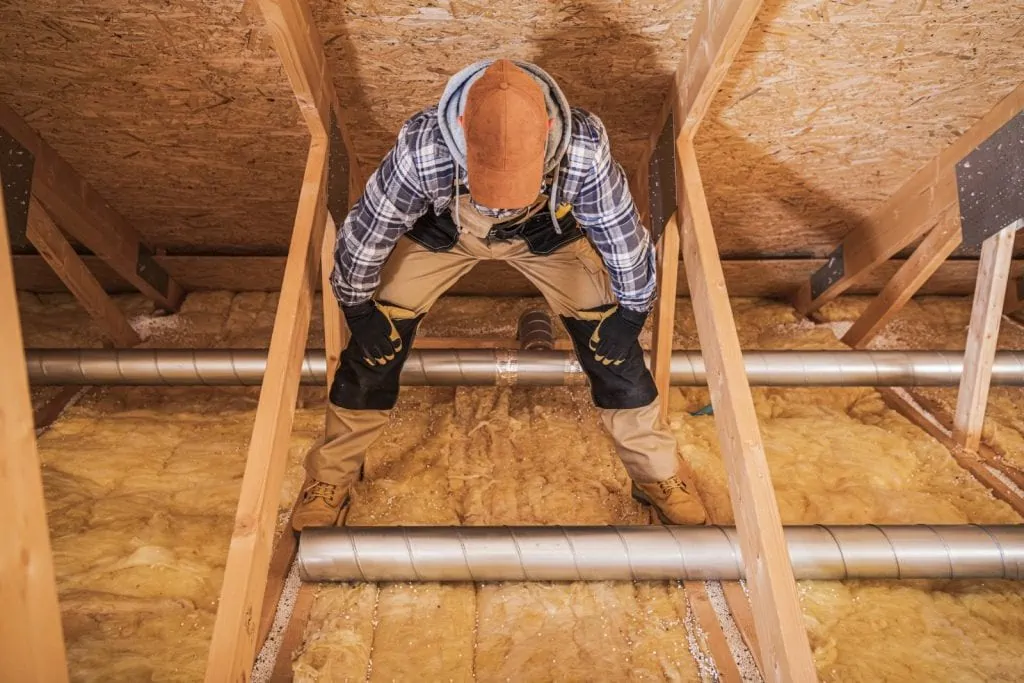
Leaky Ducts in the Attic (Bay Area): Signs, Comfort Problems, and What Actually Helps
If one room feels like a sauna, another feels oddly chilly, and your HVAC never seems to make the whole house comfortable at the same time, attic ductwork may be part of the problem.
A lot of homeowners assume uneven temperatures always mean “bad insulation.” Sometimes insulation is part of it. But in many Bay Area homes, the real issue is leaky, poorly routed, disconnected, or poorly insulated ductwork in the attic.
This guide explains:
- Why duct problems often feel like insulation problems
- The most common signs of leaky attic ducts
- Where duct issues usually happen
- What tends to help, and what often wastes time
- How duct problems connect to air sealing and insulation
- Cost factors and next steps
✅ Book an attic airflow & duct assessment
If your home has weak airflow, uneven temperatures, or persistent dust issues, start with an attic-focused assessment.
Book an Airflow Assessment
Why duct problems feel like “bad insulation”
From a homeowner’s point of view, the symptoms blur together:
- some rooms run hotter or colder than others
- the HVAC seems to run longer than expected
- comfort changes a lot depending on weather or time of day
- upstairs feels harder to control
- the house never feels evenly conditioned
That’s why leaky ducts are often mistaken for an insulation problem.
Here’s the difference:
- Insulation slows heat transfer
- Ducts move conditioned air where it’s supposed to go
If ductwork is leaking in a hot attic, some of the cooled or heated air may never reach the room it was meant to serve. So yes, you can add insulation and still feel disappointed. Human civilization remains consistent.
Common symptoms of leaky or poorly performing attic ducts
You do not need to see the duct leak directly to suspect a problem.
Common signs include:
- Uneven room temperatures that repeat seasonally
- Weak airflow from certain supply vents
- Dusty rooms or dusty vent areas
- Long HVAC run times without consistent comfort
- Upstairs discomfort, especially during warmer months
- One room that never seems to match the thermostat setting
These symptoms do not guarantee the ducts are the issue, but they are common clues.
Where duct issues happen most (attic-first)
Attic ductwork deals with heat, dust, tight spaces, and time. Not exactly a spa environment.
Common attic duct problems
Disconnected joints or loose connections
A connection can come loose over time or after work in the attic. When that happens, conditioned air spills into the attic instead of the room.
Crushed or kinked flex ducts
Flexible duct runs are common, but if they are bent sharply, crushed, or sagging excessively, airflow can suffer.
Long or awkward duct runs
The longer and more complicated the run, the more opportunity there is for airflow problems, pressure loss, and uneven comfort.
Poor duct insulation
If ducts run through a hot attic and are poorly insulated, conditioned air can pick up unwanted heat before it reaches the living space.
Return air limitations
Sometimes the problem is not just supply air. A room may also struggle because return airflow is limited or unbalanced, which can affect comfort and pressure relationships in the house.
Can leaky ducts contribute to dust?
Sometimes, yes.
If ducts or return pathways are compromised, attic air and fine dust may influence how dusty the home feels. This is especially noticeable when:
- the attic is dusty
- insulation is old or disturbed
- there are other leakage pathways in the ceiling plane
- vents and registers seem dusty unusually quickly
This is why duct issues should be looked at as part of a whole-home comfort system, not as a standalone mystery.
What helps vs what’s often a distraction
When comfort is bad, people start collecting random theories like trading cards. Better to separate useful steps from nonsense.
What often helps
- attic inspection of visible duct routing and condition
- identifying disconnected, crushed, or poorly supported ducts
- targeted duct sealing or repair where appropriate
- checking related factors: attic air leakage, insulation condition, and venting issues
- improving overall attic conditions so the HVAC system is not working against chaos
What may be a distraction
- assuming the thermostat is always the main problem
- adding insulation without checking duct condition
- focusing only on surface dust without investigating airflow
- paying for random “comfort upgrades” without a scope-based assessment
This does not mean every house needs major duct work. It means the right diagnosis matters before the money starts flying out of your wallet.
How this connects to air sealing and insulation
Duct issues rarely exist in isolation.
A practical attic comfort strategy often looks like this:
- inspect ducts and airflow issues
- identify attic leakage and bypasses
- review insulation condition
- fix the biggest comfort problems in the correct order
For example:
- if ducts leak badly, that may matter more than adding insulation first
- if the attic has major air leaks, sealing can improve comfort alongside duct improvements
- if insulation is old, thin, or disturbed, replacement may be part of the solution
DIY vs Pro: quick decision guide
DIY may be reasonable if:
- you are only checking for visibly disconnected ducts near the attic entry
- the attic is easy and safe to access
- there are no signs of moisture, damaged insulation, or electrical concerns
- you are only doing basic observation, not major repairs
Call a pro if:
- multiple rooms have uneven airflow or temperature problems
- you suspect disconnected or damaged ducts deeper in the attic
- the attic is tight, hot, dusty, or difficult to navigate
- comfort issues overlap with dust, odor, or insulation concerns
- you want a real plan instead of attic archaeology with a flashlight
Cost factors (what affects scope and pricing)
Duct and airflow work varies depending on:
- attic access and working conditions
- how much visible duct repair or sealing is needed
- whether duct routing/support needs improvement
- whether the attic also needs air sealing or insulation work
- whether old debris, dust, or insulation disturbance complicates access
That is why a scope-based assessment matters more than generic price guesses.
Next steps: inspection + scope
A smart approach usually looks like this:
- Inspect attic duct conditions
- Identify obvious airflow or leakage problems
- Review insulation and attic leakage at the same time
- Prioritize repairs in the correct order
- Reassess comfort after the main issues are addressed
In many homes, the best results come from fixing the actual weak point first, not throwing money at whatever sounds most “energy efficient” on paper.
✅ Book an attic airflow & duct assessment
FAQ
Can leaky ducts waste conditioned air?
Yes. If ducts leak in the attic, some of the heated or cooled air may escape before it reaches the intended rooms.
Why is one room always hotter or colder?
Possible causes include duct leakage, poor airflow, long duct runs, return air limitations, attic heat, or insulation issues. An inspection helps determine which factor matters most.
Are ducts in the attic a problem by default?
Not necessarily. Many homes have attic ductwork. The issue is usually condition, routing, insulation, and leakage, not the mere fact that ducts are in the attic.
Does duct sealing reduce dust?
It can help in some homes, especially when dust is tied to airflow problems and attic leakage pathways.
Should I seal first or add insulation first?
It depends on the house, but if duct problems are significant, they may need attention before or alongside insulation upgrades.
What should I check before summer?
Check for uneven temperatures, weak airflow, dusty vents, loose attic ducts, and any signs that your HVAC is working harder than comfort levels suggest it should.