
Attic Checkup: Stop Heat Loss and Hidden Nesting
As winter settles in and cold air pushes against your home, the attic becomes one of the most important spaces to evaluate for seasonal protection. While it’s easy to focus on holiday prep, cozy gatherings, and indoor comfort, the attic quietly plays a major role in keeping heat inside where it belongs. Unfortunately, this same warm environment can also attract rodents searching for a safe nesting place during the coldest months of the year. Without proper insulation, homeowners may unknowingly create ideal conditions for both energy loss and unwanted pests.
During winter, warm indoor air naturally rises and escapes through any weak points in attic insulation. This not only forces heating systems to work harder but also creates uneven temperatures throughout the home. And while this heat loss impacts comfort and energy bills, it also creates a perfect micro-climate for rodents. Attics with soft insulation, stored belongings, and hidden corners become a refuge for mice, rats, and even squirrels looking for warmth.
Because winter invites both temperature challenges and pest activity, homeowners should take this season seriously. A neglected attic can lead to skyrocketing energy costs, moisture imbalances, and hidden nesting areas that quickly grow into large infestations. Small issues—like compacted insulation, gaps near vents, or poorly sealed access points—can snowball into bigger concerns if not addressed early in the season.
Now is the time to schedule an attic checkup. By focusing on insulation quality and preventative sealing, homeowners can protect their heating systems, improve energy efficiency, and eliminate the conditions that attract winter pests. A thorough attic evaluation gives peace of mind during the coldest months and helps ensure a warm, comfortable, and rodent-free season.
Why This Problem Happens
Winter weather, heat transfer, and rodent behavior all contribute to attic vulnerabilities. These seasonal factors explain why homeowners often notice issues this time of year.
Heat Rises Through Weak Insulation
When insulation is thin, displaced, or deteriorating, warm indoor air escapes quickly. This forces heating systems to cycle more often, resulting in higher energy bills and uneven room temperatures.
Cold Temperatures Drive Rodents Indoors
Rodents instinctively seek warm, insulated spaces when outdoor temperatures drop. Attics are ideal because they’re quiet, sheltered, and often undisturbed for long periods.
Insulation Provides Perfect Nesting Material
Loose-fill or batt insulation offers rodents everything they need: warmth, softness, and easy-to-tunnel layers. Even small openings lead rodents directly to these materials.
Air Leaks Create Moisture and Warmth
Gaps around vents, chimneys, or attic access points allow warm, moist air into the attic. Rodents are attracted to these micro-warm zones because they provide insulation and humidity ideal for nesting.
Where the Problem Starts / Common Causes
Attic vulnerabilities usually begin in overlooked areas. The following locations and conditions are among the most common causes of heat loss and rodent activity:
Insulation Gaps and Thin Coverage
- Compacted insulation that no longer traps heat
- Missing sections around joists
- Uneven distribution from past work or disturbances
Openings for Rodent Entry
- Gaps around rooflines
- Exposed soffit or fascia boards
- Cracked vents or torn screens
- Unsealed openings around pipes and wires
Poor Ventilation
- Blocked soffit vents
- Improper airflow that leads to condensation
- Moisture buildup that attracts pests
Stored Items and Clutter
- Boxes containing fabrics or paper
- Undisturbed areas perfect for rodent nesting
- Hidden corners difficult to inspect regularly
Aging Construction
- Settled insulation in older attics
- Gaps from natural home expansion/contraction
- Worn-out caulking or weatherstripping
Warning Signs
Rodent nesting and heat loss often go unnoticed, but subtle signs can reveal developing issues. Homeowners should watch for:
- Unexplained drafts in upper floors
- Higher winter energy bills despite normal thermostat use
- Cold bedrooms or temperature inconsistencies
- Flattened or dirty insulation indicating rodent traffic
- Droppings, gnaw marks, or shredded material
- Scratching sounds coming from the ceiling or walls
- Musty or unpleasant odors in attic spaces
- Moisture stains, mold, or damp insulation
Spotting these signs early helps prevent both escalating heating costs and expanding rodent nests.
How to Prevent the Problem
A clean, well-insulated attic is both an energy-efficient and rodent-resistant attic. The following steps help homeowners stay protected all winter long.
1. Seal, Inspect, and Repair
- Seal all gaps around wiring, plumbing penetrations, and vents
- Repair torn or damaged exterior screening
- Weatherstrip attic access doors and hatches
- Close openings around rooflines and soffits
- Look for cracks or holes in older building materials
2. Clean and Declutter
- Remove unnecessary items that provide nesting spots
- Store belongings in sealed plastic containers instead of cardboard
- Dispose of fabric scraps, paper, or old holiday items
- Sweep loose debris and eliminate soft nesting materials
3. Manage Outdoor Areas
- Trim tree branches near the roofline
- Ensure gutters are clear to prevent moisture issues
- Seal gaps in eaves or fascia boards
- Keep firewood and yard debris away from exterior walls
- Verify exterior siding is tight and secure
4. Improve Moisture Control
Moisture encourages pests and weakens insulation.
- Fix roof leaks immediately
- Ensure attic ventilation is balanced
- Prevent condensation around HVAC or ductwork
- Replace damp or moldy insulation promptly
5. Inspect High-Risk Areas
Check these zones regularly throughout winter:
- Around attic vents and chimneys
- Behind stored holiday items or boxes
- Along joists where insulation may have shifted
- At access doors or ladders
- Beneath roof valleys where moisture often forms
6. Upgrade Insulation When Needed
Replacing or adding insulation offers major benefits:
- Increased energy efficiency
- Fewer temperature fluctuations
- Reduced heating costs
- Limited rodent access to nesting materials
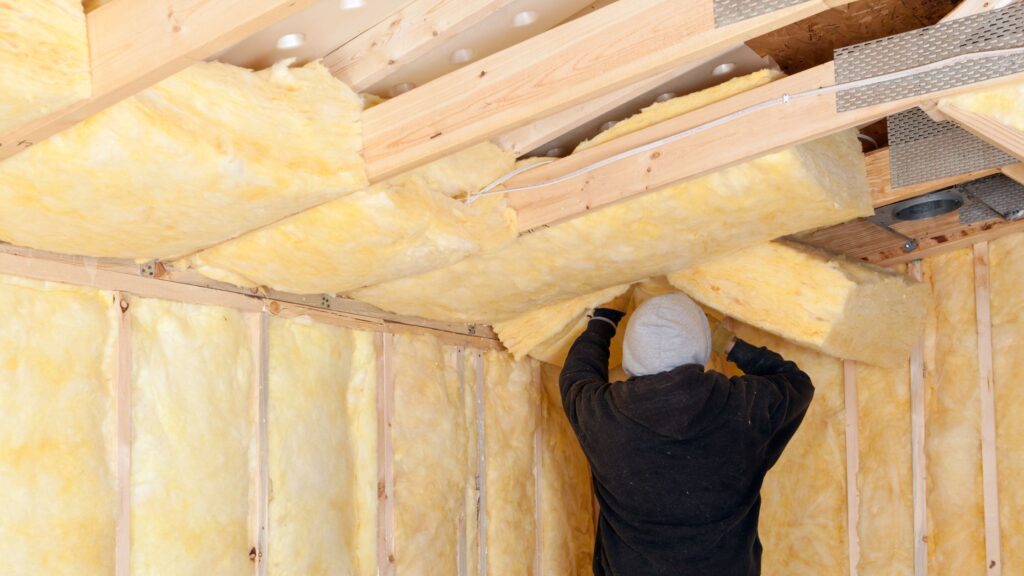
Fiberglass, cellulose, or sealed spray-foam insulation each reduce the likelihood of pest intrusion when installed properly.
7. Use Professional Services
A trained technician can:
- Conduct thermal imaging to identify heat loss
- Detect rodent activity and nesting zones
- Install high-grade insulation and exclusion barriers
- Ensure ventilation meets winter performance standards
- Provide long-term prevention strategies tailored to your home
Professional service is the most effective way to address both heat loss and pests simultaneously.
Hidden Dangers
The attic impacts more than comfort—it affects safety, finances, and long-term home health. Hidden attic issues can cause:
🔌 Electrical Risks
Rodents often chew wiring hidden beneath insulation, increasing the risk of electrical shorts or fires—especially concerning during winter when heating systems run consistently.
🌬️ Air Quality Problems
Moisture buildup, mold pockets, and rodent droppings can contaminate indoor air that circulates throughout your home.
🦠 Health Risks
Rodent nesting sites introduce bacteria and allergens that can spread through HVAC systems or fall into living spaces below.
💰 Repair Costs
Heat loss increases monthly bills, but undetected rodent damage can lead to costly repairs for insulation replacement, wiring fixes, and structural cleanup.
Long-Term Strategy / Seasonal Checklist
To maintain a warm, efficient, and nest-free attic all year, homeowners should follow a winter-season maintenance approach:
- Check insulation depth and coverage annually
- Schedule a professional attic inspection every winter
- Keep vents clear and functioning
- Seal new gaps as the home settles or ages
- Remove clutter or stored items regularly
- Replace damaged or contaminated insulation promptly
- Ensure gutters and exterior roof features are well-maintained
These simple habits help ensure that heat stays inside and rodents stay out.
Conclusion
As cold weather increases demand on your home’s heating system, a well-insulated attic becomes more important than ever. Proper insulation prevents heat loss, reduces energy waste, and blocks the conditions that attract rodents during winter. By inspecting your attic now—before frigid temperatures fully arrive—you can avoid hidden infestations, protect your storage areas, and improve overall home efficiency.
Winter is the ideal time to take action. Strengthening your attic insulation ensures warmth, safety, and long-term energy savings while keeping rodents from turning your attic into a winter nesting ground. For complete protection, a professional attic checkup offers peace of mind and lasting comfort throughout the season.