
Air Duct Cleaning: Troubleshooting Guide for Bay Area Homeowners
Air Duct Cleaning is one of the most searched HVAC topics because it sits right where homeowners feel problems most: dust that keeps coming back, rooms that don’t heat or cool evenly, “mystery” odors when the system turns on, or allergies that seem worse at home than outside. But duct cleaning is also one of the most misunderstood services—sometimes it’s genuinely helpful, and sometimes it’s not the root fix at all.
This troubleshooting guide is designed to help Bay Area homeowners make a clear, practical decision. You’ll learn when Air Duct Cleaning tends to make sense, what symptoms can point to other causes (filters, returns, leaks, insulation issues), what you can check safely on your own, and what a professional evaluation should look for.
Important: This article avoids “one-size-fits-all” claims. Your HVAC system is a network: ducts, registers, returns, filters, blower components, and the home’s envelope (attic sealing and insulation) all interact. The goal is to identify the real source of dust, odors, or airflow issues so you solve the problem—not just treat the symptom.
Quick Answer: When Air Duct Cleaning Is Usually Worth Considering
- Visible buildup: dust/debris visible inside registers or return grilles, especially if it’s thick and persistent.
- Odors when HVAC runs: musty, stale, or “dirty air” smell that starts with the system and fades when it stops.
- After rodents: signs of rodent activity in attic/crawlspace can mean ducts were impacted or contaminated nearby.
- After construction/remodeling: fine dust can spread and settle in returns and duct pathways.
- Airflow complaints: certain rooms underperform and basic checks suggest duct restrictions or heavy debris.
- Long periods without maintenance: older systems with unknown service history benefit from inspection.
If you want a professional inspection and plan, you can book a free estimate to review duct conditions and identify whether cleaning, sealing, or another fix is the right move.
What Air Duct Cleaning Actually Is (and What It Isn’t)
Air Duct Cleaning is the controlled removal of dust and debris from the HVAC air distribution system. Depending on the home and scope, it can involve supply ducts, return ducts, trunk lines, and registers. The goal is to remove accumulated particulate that could impact airflow or contribute to odors and dust movement.
But here’s what Air Duct Cleaning is not:
- It’s not a substitute for fixing duct leaks or disconnected duct sections.
- It’s not a guaranteed cure for every allergy or respiratory complaint.
- It’s not the same as replacing a filter or cleaning visible vents only.
- It’s not a solution to moisture problems in an attic or crawlspace that are creating odors.
In many Bay Area homes, the best results happen when duct cleaning is part of a broader HVAC + attic plan—especially if air leaks and insulation issues are pulling dusty air into the system.
Why Bay Area Homes Often Struggle With Dust and HVAC Odors
Bay Area conditions can create a few common patterns:
- Microclimates: temperature swings can affect condensation risks in certain areas of a home.
- Older construction details: homes with air leaks between attic and living space can move dust through pressure changes.
- Seasonal ventilation patterns: windows open/close cycles and indoor-outdoor air changes can shift dust loads.
- Attic and crawlspace pressure: return leaks can pull air from attics/crawlspaces, bringing dust and odor with it.
That last point is critical: if your duct system is pulling air from “dirty” zones (attic/crawlspace/garage), cleaning ducts alone may not keep them clean for long. Troubleshooting aims to identify that.
Common Symptoms That Make Homeowners Think They Need Air Duct Cleaning
Let’s translate symptoms into likely causes. This helps you avoid wasting effort on the wrong fix.
Symptom: Dust reappears quickly after cleaning the house
Possible causes include:
- return leaks pulling dusty air from attic/crawlspace
- dirty returns or return cavity issues
- insufficient filtration or filter fit problems
- attic air leaks pushing dust down through ceiling penetrations
Symptom: Musty odor when HVAC starts
Possible causes include:
- moisture somewhere in the system or nearby building cavities
- dirty coils/blower components (not only ducts)
- rodent contamination in adjacent spaces
- stale air zones created by poor airflow balance
Symptom: One room is always warmer/cooler
Possible causes include:
- duct restriction (kinked, crushed, or blocked)
- disconnected duct segment leaking into attic
- imbalance in supply/return design
- insulation/air sealing issues in the room envelope
Symptom: Black dust around vents
Possible causes include:
- air leakage around register boots
- dirty supply edges caused by pressure-driven dust deposition
- combustion-related soot sources (if applicable)
Air Duct Cleaning Troubleshooting: Step-by-Step Checks You Can Do
This section gives you safe checks that help you decide whether you’re dealing with duct buildup, filtration issues, leaks, or something else.
Step 1: Check Your Filters (Fit Matters as Much as Rating)
Filters that don’t fit tightly can allow air to bypass the filter and carry dust into the system. Check:
- is the filter seated firmly with no obvious gaps?
- is the filter slot/cabinet damaged or loose?
- does the filter look unusually dirty for its age?
If a filter loads up very fast, that can be a clue the system is pulling dusty air from somewhere—often due to duct leaks or return problems.
Step 2: Inspect Return Grilles and Return Paths
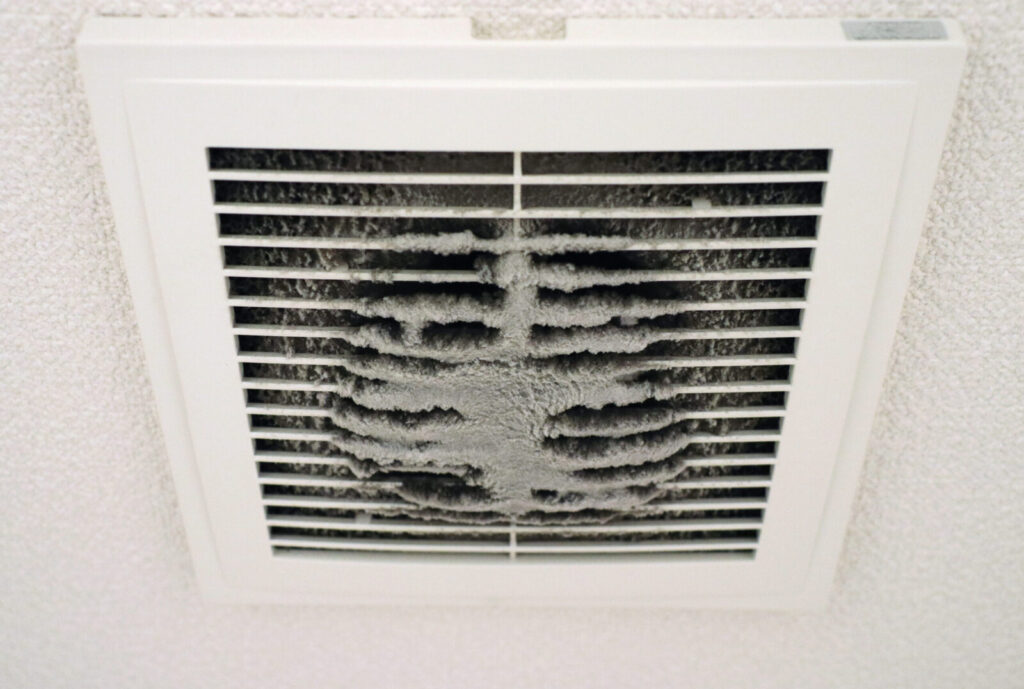
Returns are where air goes back to the HVAC system. If returns are dirty, they can be a major contributor to indoor dust circulation. Look for thick buildup behind the return grille. If you see heavy dust mats, that’s a strong indicator that returns need attention.
Step 3: Look Inside a Few Supply Registers
Remove a register cover and look inside with a flashlight. What you’re looking for:
- thin, normal dust film vs. thick accumulation
- debris chunks (construction dust, insulation pieces)
- signs of moisture or staining
Tip: A light dust film is common and not automatically a problem. Thick buildup, debris, or odor sources are more meaningful.
Step 4: Pay Attention to Odor Timing
Odor timing is a powerful diagnostic tool:
- Odor starts when HVAC turns on: more likely related to HVAC/duct components or air being pulled from a contaminated zone.
- Odor is constant all day: may be a building cavity or moisture issue unrelated to ducts.
- Odor increases after rain: can point to attic/crawlspace moisture issues or leaks affecting materials.
Step 5: Check for Air Leaks at Registers (Simple Tissue Test)
With HVAC running, lightly hold a tissue near the edges of a register. If you feel air being sucked into gaps around the register boot or blown out from the wrong places, you may have leakage that pulls dust from surrounding cavities. This points to sealing needs, not only cleaning.
Step 6: Evaluate “Dust Source” Zones in the Home
Some dust problems are not duct-driven. Common dust sources include:
- attic air leakage through recessed lights and ceiling penetrations
- garage-to-house air leakage
- old insulation shedding or disturbed insulation from past pest issues
- construction debris in wall cavities
If your home has a dusty attic or signs of rodent contamination, addressing attic conditions often improves dust issues more than duct cleaning alone.
When Air Duct Cleaning Is Most Likely to Help
Based on troubleshooting patterns, Air Duct Cleaning tends to be most helpful when:
- you see heavy buildup inside ducts/returns (not just on vent covers)
- there’s evidence of construction dust or debris drawn into the system
- you have odor that clearly correlates with system operation
- rodent activity occurred near ducts or in adjacent zones that feed into returns
- you plan other HVAC improvements and want the system “reset” first
In these situations, cleaning can reduce particulate and help the system breathe more normally—especially when combined with sealing and filtration improvements.
When Air Duct Cleaning Might NOT Be the Main Fix
There are scenarios where Air Duct Cleaning alone often fails to solve the complaint:
- Return leaks: the system keeps pulling dust from attic/crawlspace.
- Disconnected ducts: airflow issues persist because conditioned air is being dumped into the attic.
- Moisture problems: musty smells return because the building cavity remains damp.
- Dirty HVAC components: blower and coil issues can create odor and airflow problems.
- Home envelope leaks: dust and comfort issues are driven by attic leakage and insulation gaps.
This is why a proper evaluation matters: it prevents you from paying attention to the wrong part of the system.
What a Professional Air Duct Cleaning Evaluation Should Look For
A professional approach should focus on diagnosis, not just “cleaning something.” A thorough evaluation typically checks:
- duct condition and accessibility (supply and return pathways)
- visible debris levels and problem zones
- signs of duct leakage or disconnection
- evidence of rodents or contamination sources
- areas where sealing around registers or returns can reduce dust intrusion
If you want service details for Bay Area homes, see our Air Duct Cleaning page for an overview of how professional duct cleaning is approached.
Air Duct Cleaning and Prevention: How to Keep Ducts Cleaner Longer
Cleaning is most effective when you pair it with prevention. Otherwise, ducts can re-accumulate dust from the same source. Prevention strategies include:
- Improve filter fit: stop bypass air that carries dust.
- Seal duct leaks: reduce pulling air from attics/crawlspaces.
- Seal register boots: stop dust intrusion from wall/ceiling cavities.
- Address attic dust sources: air sealing and insulation improvements reduce particulate movement.
- Correct moisture issues: odors often trace back to dampness, not “dirty air.”
Many homeowners see the best results when duct cleaning is combined with sealing work in the attic and around HVAC penetrations.
When to Call Attic Pros for Air Duct Cleaning in the Bay Area
Consider professional help if:
- you see heavy buildup inside registers or returns
- HVAC odors start when the system runs
- dust problems persist despite filter changes
- you suspect duct leaks, disconnections, or attic/crawlspace air being pulled into the system
- you’ve had rodents or contamination in attic/crawlspace zones near duct pathways
If you’d like to schedule an evaluation, you can book a free estimate and we’ll help identify whether duct cleaning, sealing, or another fix is the right next step.
For convenience, here’s the scheduling link again: Book a free estimate.
FAQ: Air Duct Cleaning
How do I know if my ducts are actually dirty?
The best clue is visible buildup inside ducts or returns when you remove a register and look in with a flashlight. A thin dust film is normal; thick accumulation, debris chunks, or strong odor sources are more meaningful. Persistent dust issues can also point to duct leaks or return problems.
Will Air Duct Cleaning reduce dust in my home?
It can, especially if duct/return buildup is a major source. But if dust is being pulled from the attic, crawlspace, or wall cavities due to leaks, sealing and envelope improvements may be required for long-term results.
Can odors come from ducts?
Yes, but odors often involve more than ducts: return leaks pulling air from contaminated zones, moisture issues, or dirty HVAC components can create smells that appear “duct related.” Odor timing (when HVAC turns on) is a useful diagnostic clue.
Is Air Duct Cleaning always necessary?
No. In many homes, improving filtration, sealing duct leaks, and addressing attic air leakage can solve the underlying complaint. Cleaning is most helpful when there is heavy buildup, debris after construction, or contamination concerns.
What’s the most common reason duct cleaning doesn’t “work”?
Because the real problem was leakage or dust sources outside the ducts. If the system continues pulling dusty air from attics/crawlspaces, ducts can re-accumulate dust quickly. Fixing the source makes cleaning results last longer.
Do returns matter as much as supply ducts?
Often, yes. Returns can be major dust collectors because they pull air back into the system. Dirty return grilles, return cavities, or return leaks can drive dust circulation throughout the home.
Can duct issues affect airflow in certain rooms?
Yes. Restrictions, leaks, or disconnections can reduce airflow to certain rooms. However, room comfort issues can also come from insulation gaps and air leakage in the home envelope, not only ducts.
What should I do before scheduling Air Duct Cleaning?
Check filters, inspect return grilles, look inside a few registers, and note whether odors correlate with HVAC operation. These observations help a professional focus on the right causes during evaluation.
How do I keep ducts cleaner after cleaning?
Ensure filters fit tightly, address duct leaks, seal register boots, and reduce dust sources from the attic or crawlspace. Prevention is what keeps a cleaned system from becoming dusty again.
Conclusion
Air Duct Cleaning can be a smart move when troubleshooting points to real duct/return buildup, system-timed odors, or debris from rodents or construction. But the best results come from solving the whole system: filtration, leaks, returns, and the attic/home envelope that can feed dust into HVAC pathways.
If you want a clear answer tailored to your Bay Area home, schedule a professional evaluation. A good inspection helps you avoid guesswork and focuses on the fix that actually resolves your dust, odor, or airflow complaint.