
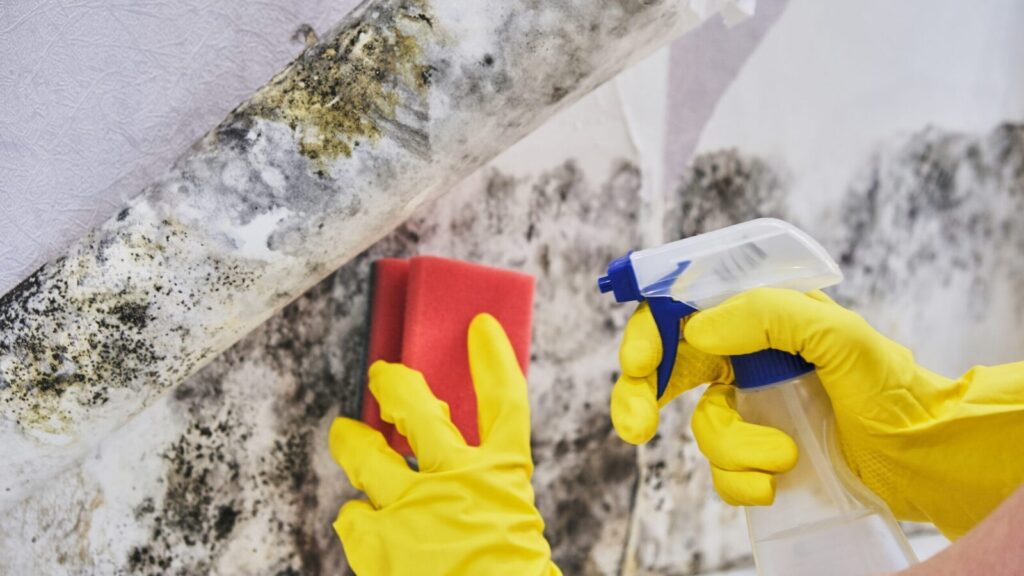
Mold Removal: A Practical How-To for Bay Area Homeowners
Mold Removal can feel intimidating because it sits at the intersection of comfort, building durability, and indoor air quality. You spot dark specks on wood, a fuzzy patch on drywall, or a musty smell that won’t go away—and suddenly you’re wondering: Is this serious? Can I clean it safely? Why did it show up now?
In Bay Area homes, mold often appears because moisture and airflow don’t behave the way homeowners expect. Coastal fog influence, seasonal rains, microclimate swings, older construction details, and hidden air leaks can all create the conditions mold likes: moisture + organic material + time.
This is a hands-on how-to guide. It explains the safest sequence to follow, what tools and methods are appropriate for small, localized issues, and when it’s smarter to stop and schedule a professional inspection. The key idea is simple: successful Mold Removal is mostly about moisture control and proper drying. Cleaning without fixing the moisture source is the most common reason mold returns.
Quick Answer: Mold Removal in 6 Steps
- Step 1: Identify and fix the moisture source (leak, condensation, ventilation, plumbing, drainage).
- Step 2: Decide if it’s a safe DIY scope (small area, no heavy contamination, no hidden spread).
- Step 3: Contain the work zone (limit airflow and dust, protect the rest of the home).
- Step 4: Remove damaged porous materials if needed (drywall, insulation, carpet, soft wood).
- Step 5: Clean hard surfaces properly (appropriate cleaner, agitation, wipe, and repeat if needed).
- Step 6: Dry thoroughly and prevent return (dehumidification, ventilation fixes, sealing, monitoring).
Important: If mold covers a large area, keeps returning, appears after flooding, is inside HVAC systems, or you see widespread moisture and damage, it’s best to stop and schedule professional Mold Removal services to ensure safe containment and full remediation.
What Mold Is (and Why It Shows Up in Homes)
Mold is a type of fungus that reproduces by releasing spores. Spores are common in the environment, and they can enter homes through open doors, windows, and normal airflow. Mold becomes a problem when spores land on a damp surface and have time to grow.
For mold to grow indoors, it typically needs three things:
- Moisture: leaks, condensation, damp materials, high humidity, poor ventilation.
- Food: organic materials such as wood, drywall paper, dust, fabric, and debris.
- Time: persistent dampness that isn’t dried promptly.
That’s why the “real” solution to Mold Removal is not only cleaning; it’s controlling moisture so growth can’t restart.
Before You Start: When DIY Mold Removal Is Not a Good Idea
Some mold situations are not safe or practical as a DIY job. Consider stopping and calling a professional if any of the following are true:
- Large coverage: the affected area is extensive, appears in multiple rooms, or keeps expanding.
- Hidden spread: you suspect mold behind walls, under flooring, inside insulation, or inside ductwork.
- Water events: mold appears after flooding, major roof leaks, or long-term plumbing leaks.
- Health sensitivity: household members have severe allergies, asthma, or strong reactions to moldy environments.
- Strong odor persists: musty smells remain even after surface cleaning.
- Attic/crawlspace contamination: mold in hard-to-access areas where containment is difficult.
- HVAC involvement: mold appears near supply vents, returns quickly, or you suspect the system is spreading spores.
If you’re unsure, the safest move is to schedule an evaluation. You can review our Mold Removal services page to see what a professional remediation approach typically includes in Bay Area homes.
Safety Checklist for Mold Removal
Even small mold patches can release particles when disturbed. The goal of safety steps is to reduce exposure and prevent spreading contamination to other areas.
- PPE: gloves, eye protection, long sleeves, and a properly fitting mask. Avoid casual “dust masks” for messy jobs.
- Ventilation control: avoid blasting fans that push spores throughout the home. Use controlled airflow where appropriate.
- Protect floors and pathways: place plastic sheeting or drop cloths on the route to the affected area.
- Keep kids and pets away: block access to the work zone during cleaning and drying.
- Do not mix chemicals: never combine cleaners.
Tip: If the work feels “dusty,” smells strong, or involves tearing out porous materials, you’re already beyond the simplest DIY scenario. At that point, professional containment becomes the safer route.
Tools and Materials for Small-Scale Mold Removal
For a small, localized area on a hard, non-porous surface, you typically need:
- plastic sheeting or contractor bags for containment and disposal
- gloves, eye protection, and a suitable mask
- spray bottle or bucket, clean rags, disposable wipes
- soft brush or sponge for gentle agitation
- cleaning solution appropriate for the surface
- paper towels for drying and wipe-down
- dehumidifier or controlled drying method (depending on conditions)
For porous materials (drywall, insulation, carpet, some woods), cleaning alone often does not remove growth fully because mold can penetrate below the surface. In those cases, removal and replacement of affected materials is frequently the durable solution.
Step 1: Identify and Fix the Moisture Source
This is the most important step in Mold Removal. If you skip it, mold often returns—sometimes in a worse form, because moisture remains but the visible signs were temporarily wiped away.
Common moisture sources in Bay Area homes include:
- Roof leaks: especially around penetrations, valleys, or older flashing.
- Plumbing leaks: under sinks, behind toilets, near water heaters, or in wall cavities.
- Condensation: warm indoor air hitting cooler surfaces (windows, exterior walls, ducts, pipes).
- Bathroom ventilation problems: fans venting into the attic, weak airflow, or short-cycling.
- Crawlspace dampness: ground moisture, poor drainage, or standing water.
- Attic ventilation imbalance: blocked soffits, missing baffles, or trapped moisture.
Quick moisture checks you can do:
- inspect around the stain or growth pattern for active dampness
- look for water staining trails (gravity often leaves clues)
- check nearby plumbing lines and valves
- verify bathroom fans actually vent outdoors
- look for condensation on metal surfaces during cooler periods
Rule of thumb: Mold Removal is not “complete” until the area can reliably stay dry under normal daily use and typical seasonal conditions.
Step 2: Confirm the Scope (Surface vs. Hidden Mold)
Before you start scrubbing, confirm whether you’re dealing with a surface problem or a likely hidden problem. Hidden mold is common behind walls, under flooring, inside insulation, and in areas with chronic dampness.
Signs you might have hidden mold:
- musty odor persists with no obvious visible patch
- paint bubbles, drywall softening, or discoloration that grows over time
- repeated condensation or recurring dampness in the same area
- mold visible at edges (baseboards, corners) suggesting it extends behind surfaces
If you suspect hidden spread, it’s usually better to avoid aggressive DIY demolition without a containment plan, because opening up materials can release spores into the living space.
Step 3: Set Up Containment (So You Don’t Spread Spores)
Containment is what separates casual cleaning from real Mold Removal. Even for small areas, basic containment is useful. Your goal is to keep disturbed material and cleaning residue from traveling to clean areas.
- Close doors to isolate the room, if possible.
- Cover vents in the room temporarily to reduce airflow through HVAC.
- Lay plastic or a drop cloth on the floor under the work area.
- Bag waste immediately (rags, wipes, removed material), and seal bags before moving them through the home.
Important: Avoid using a household vacuum on moldy debris. Standard vacuums can aerosolize fine particles. If vacuuming is needed, it should be done with appropriate filtration designed for fine particulate control.
Step 4: Decide Whether to Clean or Remove Materials
Mold behaves differently depending on the surface. The surface type determines whether cleaning can be effective.
Hard, Non-Porous Surfaces (Often Cleanable)
- tile, sealed metal, glass
- some plastics
- finished surfaces that are intact and not peeling
If mold is on a hard surface and the material is not damaged, careful cleaning and thorough drying may resolve it—assuming moisture is fixed.
Porous or Semi-Porous Materials (Often Require Removal)
- drywall and the paper facing
- carpet, padding, fabric
- insulation (fiberglass, cellulose, etc.)
- pressed wood products
- unfinished wood that has deep growth
When mold penetrates porous materials, cleaning the surface may not remove what’s inside. That’s one reason “it came back” happens so often. Removing the affected section (with proper containment) is frequently the more reliable path.
Step 5: Clean Mold Safely on Hard Surfaces
If you’re cleaning a small patch on a hard surface, follow a controlled process:
5A. Pre-Wet Lightly (Reduce Dust)
Lightly mist the area so spores are less likely to become airborne when you wipe. Do not soak materials, especially if moisture has been a problem.
5B. Apply Cleaner Appropriate for the Surface
Use a cleaning solution designed for the surface material. The goal is to loosen and remove growth, not just smear it around. Avoid harsh methods that damage the surface and make it easier for moisture to penetrate later.
5C. Agitate Gently, Then Wipe and Dispose
Use a sponge or soft brush to loosen growth. Wipe with disposable rags or paper towels. Do not reuse the same rag across clean areas. Bag used materials promptly.
5D. Repeat If Needed
If staining remains, that does not always mean active growth, but it can. Repeat the clean-and-wipe cycle if the surface still appears dirty. The goal is a visibly clean surface followed by complete drying.
5E. Final Wipe-Down
After cleaning, wipe once more with clean water (if appropriate for the material) to remove residue, then dry.
Common mistake: Cleaning without drying. Mold loves lingering dampness. Drying is not optional.
Step 6: Dry the Area Completely (This Is Where Mold Removal “Wins”)
Drying is the difference between a temporary cleanup and actual Mold Removal success. If the area remains damp, mold can return even after you cleaned it thoroughly.
Effective drying tactics (depending on the situation):
- Increase controlled airflow: move air in a way that does not blow dust around the home.
- Use dehumidification: lowering humidity helps materials release moisture faster.
- Fix ventilation issues: bathroom fan performance, kitchen exhaust routing, attic or crawlspace airflow balance.
- Remove water-trapping items: wet cardboard, fabric, and debris keep humidity high.
In persistent moisture situations (like a chronically damp crawlspace), drying the surface is not enough. The environment itself must be stabilized so it stays dry over time.
Special Cases: Mold Removal in Attics and Crawlspaces
Attics and crawlspaces are common mold zones because they combine low visibility, temperature swings, and moisture pathways. The approach is similar—containment, cleaning/removal, drying—but access and safety are harder.
Attic Mold Removal (Common Drivers)
- roof leaks and flashing issues
- bathroom fans venting into the attic
- condensation due to warm indoor air leaking upward
- blocked soffits or ventilation imbalance
Attic Mold Removal often needs both surface work and building-envelope corrections (air sealing and ventilation improvements) to prevent recurrence.
Crawlspace Mold Removal (Common Drivers)
- ground moisture and exposed soil
- drainage and runoff near the foundation
- plumbing leaks and condensation on pipes
- air leakage between crawlspace and living area
In crawlspaces, Mold Removal frequently intersects with moisture control measures such as vapor barrier strategies and sealing pathways that allow humid air to circulate.
What Not to Do (Top Mistakes That Cause Mold to Return)
- Do not ignore moisture. Cleaning without fixing leaks, condensation, or humidity is a repeat-problem setup.
- Do not dry “later.” Drying should happen immediately as part of the process.
- Do not spread contamination. Avoid aggressive brushing, sanding, or uncontrolled fans that push spores around.
- Do not rely on smell-masking. Deodorizers and fragrances do not solve mold problems.
- Do not assume paint fixes it. Painting over a damp or contaminated surface often traps issues beneath.
- Do not forget the adjacent areas. Mold often grows where air and moisture patterns affect multiple surfaces, not just one spot.
How to Prevent Mold After Removal (Long-Term Control)
Prevention is mostly about keeping materials dry and limiting the pathways moisture uses to reach vulnerable surfaces. For Bay Area homes, prevention strategies often include:
- Fix roof and plumbing leaks promptly and verify repairs fully resolved the moisture source.
- Improve bathroom ventilation: run the fan during and after showers, confirm it vents outdoors, and ensure airflow is strong.
- Reduce condensation drivers: insulate cold pipes where appropriate and manage indoor humidity.
- Seal air leaks: limit warm, moist indoor air from moving into cold cavities (attics and wall assemblies).
- Keep crawlspaces dry: address drainage, ground moisture, and airflow strategy.
- Monitor problem zones: check known risk areas after rain and during seasonal shifts.
Think of Mold Removal as both a cleanup and a “system correction.” The cleaner part removes what’s there; the correction part keeps it from coming back.
How Professionals Approach Mold Removal (What “Complete” Looks Like)
A professional Mold Removal approach typically focuses on four pillars:
- Inspection and source identification: pinpointing moisture and spread pathways.
- Containment: protecting the rest of the home from cross-contamination during removal.
- Removal/cleaning and disposal: addressing affected materials based on whether they are porous or non-porous.
- Drying and prevention plan: ensuring the environment will remain stable afterward.
If you want the safest, most thorough option for Bay Area homes—especially for attics, crawlspaces, and hidden moisture issues—review our Mold Removal services page and what’s included in an evaluation.
When to Call Attic Pros for Mold Removal in the Bay Area
You should strongly consider professional help if:
- mold keeps returning despite cleaning
- you suspect hidden mold behind walls, flooring, insulation, or in HVAC components
- the affected area is extensive or appears in multiple locations
- there is ongoing dampness, staining, or condensation you can’t explain
- you see mold in attics or crawlspaces where containment and access are difficult
If you want to move forward, you can book a free estimate. A proper evaluation helps confirm the scope, identify moisture sources, and recommend the safest remediation plan.
Prefer scheduling online? Use the same link here: Book a free estimate.
FAQ: Mold Removal
Does Mold Removal always require removing drywall?
Not always. If mold is on a hard, non-porous surface and moisture is fully resolved, cleaning and drying may be sufficient. When mold affects porous materials like drywall paper, insulation, or carpet, removal of affected sections is often the more reliable solution.
Why does mold come back after I clean it?
The most common reason is that the moisture source was never fully corrected. Mold also returns when materials are not thoroughly dried, when contaminated porous materials remain in place, or when airflow patterns keep pushing humidity into the same area.
Can I do Mold Removal myself?
Small, localized surface issues can sometimes be handled carefully with proper safety steps and complete drying. If the issue is widespread, hidden, recurring, or tied to attics, crawlspaces, or HVAC, professional remediation is usually the safer approach.
Is a musty smell always mold?
Musty odors often correlate with moisture and microbial growth, but not every odor confirms mold. However, persistent musty smells are a strong reason to inspect moisture conditions and hidden spaces like crawlspaces, attics, and wall cavities.
Should I run fans on moldy areas?
Uncontrolled fans can spread particles. Air movement is useful for drying, but it should be done in a controlled way that does not blow debris throughout the home. Drying should be paired with containment when cleaning is in progress.
What is the most important part of Mold Removal?
Moisture control and complete drying. Cleaning removes visible growth, but preventing recurrence depends on keeping the area reliably dry under normal living conditions and seasonal weather.
Can Mold Removal improve indoor air quality?
When moisture sources are corrected and contaminated materials are properly addressed, many homeowners notice fewer odors and a fresher indoor environment. Air sealing and ventilation improvements can also reduce pathways that pull damp air into living spaces.
What parts of a home are most prone to mold?
Bathrooms, laundry areas, kitchens (around plumbing), attics (especially with ventilation or exhaust issues), crawlspaces (ground moisture), and any area with recurring condensation or leaks.
Do I need to test for mold before Mold Removal?
In many cases, visible growth paired with moisture evidence is enough to act. The bigger priority is identifying the moisture source and determining the scope (surface vs. hidden). Testing can be useful in certain scenarios, but it does not replace remediation and prevention steps.
How do I prevent mold in the future?
Address leaks quickly, manage humidity, ensure bathrooms vent outdoors, keep crawlspaces dry, improve airflow where needed, and seal air leaks that move moist air into colder cavities.
Conclusion
Mold Removal works best when you treat it like a sequence, not a single cleaning event. Start by correcting moisture, confirm the scope, contain the area, remove or clean the right materials, and dry thoroughly. Then lock in prevention so the environment stays stable—because mold doesn’t “win” by being strong; it wins by finding moisture you didn’t notice.
If you’re dealing with recurring mold, attic or crawlspace growth, or any situation that feels bigger than a small surface patch, scheduling a professional evaluation is often the safest next move. It’s the fastest way to identify the true cause and prevent repeat problems.