
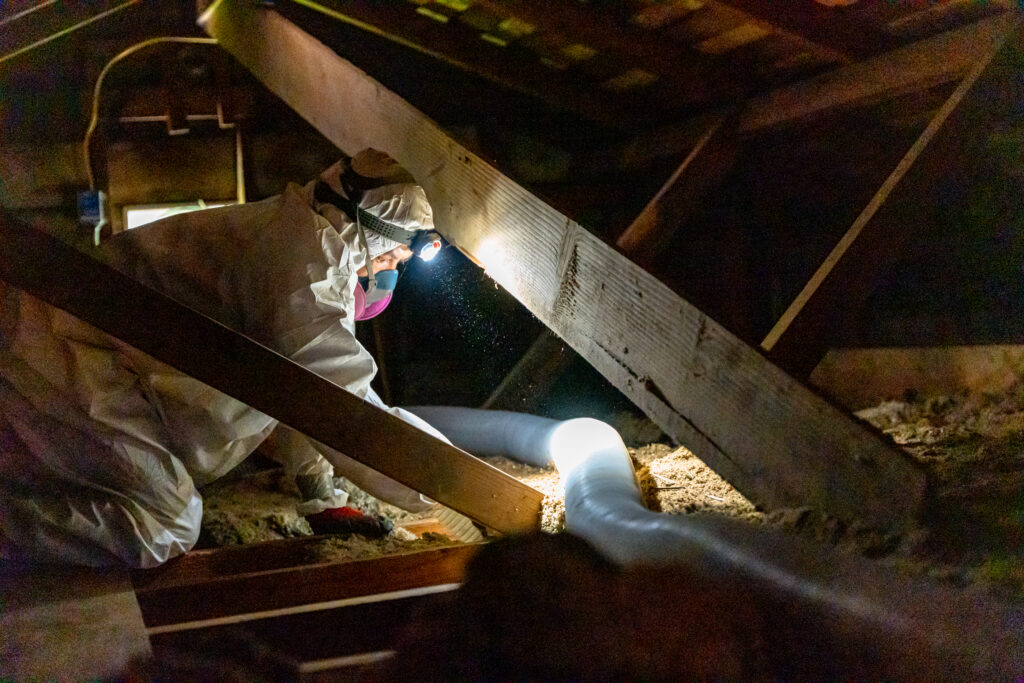
Rodent Exterminator: A Complete Explainer for Bay Area Homeowners
Rodent Exterminator is one of those searches people make when a problem has already become impossible to ignore: scratching noises at night, droppings in the garage, a musty odor that won’t leave, chewed wiring, or insulation that looks “disturbed” in the attic. In the Bay Area, rodents can be persistent because neighborhoods often provide what pests need: shelter, mild weather patterns, landscaping cover, and steady access to food and water sources.
This explainer is written for homeowners who want clarity—not hype. You’ll learn what a Rodent Exterminator actually does, what the process should include (beyond simply removing the animals), how to spot early signs, and why rodents so often return when the real entry points are never sealed.
Important: Rodent activity can involve contamination and safety risks, especially in attics and crawl spaces. If you suspect widespread droppings, urine residue, nesting materials, or chewed wiring, it’s safer to treat this as a controlled project rather than a quick DIY cleanup.
Quick Answer: What a Rodent Exterminator Should Solve
Homeowners usually want one thing: rodents gone and never coming back. In practice, lasting results typically require a full system approach:
- Inspection: confirm species, activity level, and primary entry routes.
- Removal: reduce active rodent population using appropriate control methods.
- Exclusion: seal the entry points so new rodents can’t get in.
- Sanitation: address contamination, odor sources, and soiled materials.
- Prevention: reduce attractants and future access pathways.
If you want an expert to evaluate your home and provide a clear plan, you can book a free estimate for a Bay Area inspection.
What “Rodent Exterminator” Really Means (And What It Doesn’t)
The term Rodent Exterminator is often used as a catch-all. Some people imagine it means “place traps and the problem is solved.” That can reduce activity temporarily, but if rodents are entering your attic or crawl space through an opening, the home remains vulnerable.
A complete Rodent Exterminator approach should mean:
- identifying how rodents are getting in (the real root cause)
- removing active rodents safely and systematically
- sealing access points and reinforcing weak zones
- addressing contamination and damaged materials where needed
- recommending practical prevention steps tailored to your property
What it doesn’t mean:
- “One visit and done” in every case
- Ignoring entry points and relying only on traps
- Leaving contaminated insulation, droppings, or odor sources in place
- Making promises without inspecting where rodents actually travel
Why Rodents Love Attics and Crawl Spaces
Rodents are opportunists. They don’t need a large opening, and they don’t need a perfect environment. They need:
- Shelter: attics and crawl spaces are quiet and rarely disturbed.
- Warmth: insulation and building cavities create stable temperatures.
- Materials: insulation, paper, and fabric are nesting-friendly.
- Water: condensation, plumbing leaks, pet bowls, irrigation, or damp areas.
- Food: kitchens, pantries, pet food, compost, fruit trees, and trash.
In the Bay Area, mild conditions can keep rodent pressure steady across much of the year. That’s why exclusion is so important—when one population is removed, another can attempt to move into the same structure if the entry routes remain open.
Common Signs You Need a Rodent Exterminator
Some signs are obvious. Others are subtle until the infestation grows. Here’s what to watch for:
1) Noises at Night
Scratching, scurrying, or gnawing sounds are common in attics and walls. Noises are often most noticeable after sunset and before dawn.
2) Droppings
Droppings are one of the clearest indicators. They may appear near walls, behind stored items, in garages, crawl spaces, or attic corners.
3) Odors
Rodent activity can create strong odors—especially in enclosed areas like attics and crawl spaces. Odor can also travel into living spaces through air leaks.
4) Chew Marks and Damage
Rodents gnaw continuously. Chew marks on wiring, wood, plastic, or stored items can indicate active presence and can create safety concerns.
5) Nesting Material
Shredded paper, insulation pulled into piles, fabric scraps, and plant matter can all be nesting evidence.
6) Grease Marks and Tracks
Rodents often travel along consistent paths. You may see smudges or rub marks along beams or edges.
7) Disturbed Insulation
In attics, insulation may look tunneled, flattened, or “raked” in patterns. This is common when rodents nest or travel across insulation.
Why Rodents Keep Coming Back (The Root Cause Problem)
A frustrating truth: rodents often return when the home remains accessible. The most common reasons include:
- Entry points were never sealed (or only partially sealed)
- New entry points appear as materials age or weather shifts
- Attractants remain (food sources, water sources, clutter, dense landscaping)
- Neighbor pressure (rodents move between nearby properties)
- Hidden travel routes (roofline gaps, crawl space vents, utility penetrations)
This is why a high-quality Rodent Exterminator plan includes exclusion as a core step. Removal without sealing is often temporary relief.
Rodent Exterminator vs. “Rodent Removal” vs. “Rodent Proofing”
These terms get mixed together, but they represent different parts of the same puzzle:
- Rodent removal: reducing or eliminating active rodents currently in the structure.
- Rodent exterminator: commonly includes removal plus a structured control plan.
- Rodent proofing (exclusion): sealing and reinforcing entry points to prevent future access.
For homeowners, the important part is not what it’s called, but whether the solution includes all critical steps. A true “done right” plan removes rodents and closes the door behind them.
What to Expect During a Professional Rodent Exterminator Inspection
A professional inspection should be more than a quick glance. It typically includes:
Exterior Survey
- roofline gaps, fascia/eave transitions, and vent screens
- foundation gaps, crawl space vents, and entry cracks
- utility penetrations (pipes, AC lines, wiring)
- garage edges, door thresholds, and side gaps
- landscaping that creates cover or access routes
Interior/Attic/Crawl Space Review
- dropping concentrations and nesting zones
- insulation disturbance patterns
- chew damage on wiring or wood
- odor pockets that indicate high activity areas
- air leaks that can move odors into living space
The goal is to identify where rodents are active and how they are entering. Without those two answers, any plan is incomplete.
The Core Steps of a Strong Rodent Exterminator Plan
While every home is different, a well-structured approach usually includes these phases:
1) Active Rodent Control
This involves reducing current activity using appropriate methods for the situation. The key is a systematic approach—not random placement. Control methods should focus on travel routes and activity zones identified during inspection.
2) Exclusion (Sealing Entry Points)
Exclusion is often the difference between “temporary improvement” and “lasting solution.” Sealing may involve reinforcing vents, closing roofline gaps, sealing utility penetrations, and correcting weak points where rodents repeatedly enter.
3) Attic and Crawl Space Sanitation
Rodent problems are not just about the animals. Contamination and odor sources can remain. In many cases, sanitation and cleanup are needed to fully restore the space and reduce lingering odors.
4) Repair and Restoration Where Needed
Rodents often damage insulation and leave it compressed or contaminated. Restoring insulation and sealing air leaks can improve comfort and reduce the movement of attic odors into living spaces.
5) Prevention and Monitoring
Prevention includes reducing attractants and keeping sealed areas intact. Monitoring helps ensure activity remains resolved, especially in the early period after exclusion work.
Bay Area-Specific Rodent Entry Points Homeowners Often Miss
Rodents rarely enter through one “obvious” hole. They use multiple weak points. Common Bay Area patterns include:
- Roof returns and fascia transitions: small gaps at roofline details.
- Attic vents with compromised screens: gable vents and roof vents can be vulnerable.
- Crawl space vent openings: especially if screening is damaged or gaps exist around frames.
- Utility penetrations: AC lines, pipes, conduits, and cable entries.
- Garage edges: side gaps near doors and wall transitions.
- Vegetation bridges: branches or dense plants providing access to roof areas.
Because microclimates and building styles vary across the Bay Area, the best approach is always inspection-first rather than assuming a generic “one hole” explanation.
DIY vs. Hiring a Rodent Exterminator: How to Decide
Some homeowners try DIY first, especially when signs seem minor. DIY can be reasonable when:
- signs are minimal and localized
- you’ve identified and can safely seal a small, obvious entry point
- there’s no evidence of attic-wide contamination
Professional help becomes the smarter move when:
- activity involves the attic, crawl space, or walls
- you see droppings in multiple areas
- odors persist or spread into living spaces
- you suspect wiring damage or heavy nesting
- rodents return repeatedly after DIY attempts
The biggest DIY risk isn’t “not trying hard enough.” It’s sealing incorrectly, missing hidden entry points, or leaving contamination behind—creating a cycle of recurring problems.
Rodent Contamination: Why Cleanup Matters
Even when active rodents are removed, droppings, urine residues, and nesting materials can remain. In enclosed spaces like attics and crawl spaces, contamination can contribute to:
- persistent odors
- irritation when particles become airborne
- contamination of insulation and stored materials
- attraction of insects that feed on organic debris
Cleanup isn’t about aesthetics. It’s about restoring the space and preventing the attic/crawl space from continuing to “broadcast” odor and particles into the home through air leaks.
How Rodents Impact Attic Insulation (And Why Comfort Can Get Worse)
Rodents often tunnel through insulation, compress it, and move it into piles for nesting. This reduces insulation performance and can create uneven temperature zones in rooms below. In addition:
- compressed insulation loses effectiveness
- gaps and thin spots create thermal weak points
- contaminated insulation can hold odors
- disturbed insulation can expose ceiling penetrations, increasing air leakage
This is why many rodent cases in the Bay Area turn into “attic system” projects: exclusion + cleanup + restoration (including insulation and air sealing).
What to Prepare Before a Rodent Exterminator Visit
You don’t need to do anything extreme, but a few simple steps help an inspection go smoothly:
- clear access to attic hatch, crawl space entry, and utility areas if possible
- note where you’ve seen droppings or heard noises
- identify odor timing (constant vs. when HVAC runs)
- secure pets so doors and gates can be opened safely during exterior inspection
- avoid sweeping/vacuuming droppings with a household vacuum
Documenting symptoms (what, where, when) helps the exterminator focus the inspection and confirm the most active zones.
Common Myths About Rodent Control (So You Don’t Waste Time)
Myth: “If I don’t see them, they’re gone.”
Rodents can be active mostly at night and stay hidden in insulation or walls. Lack of sightings isn’t proof of resolution.
Myth: “Ultrasonic devices solve everything.”
These often fail to produce lasting results, especially when rodents have shelter and food access. Exclusion is typically far more effective than relying on deterrent gadgets.
Myth: “Sealing one hole fixes the problem.”
Rodents often have multiple entry options. A thorough inspection is needed to identify all weak points.
Myth: “Just keep setting traps forever.”
Traps can reduce activity, but without sealing entry points, the structure remains accessible and new rodents can move in.
Rodent Exterminator in the Bay Area: Service Overview
If you want to see a detailed overview of what our team provides for Bay Area homes, visit our Rodent Exterminator service page. It explains the approach and what homeowners should expect from a complete plan.
Prevention Checklist: How to Reduce the Chance of Rodents Returning
Even after successful extermination and exclusion, prevention keeps your home less attractive to future rodents. Use this practical checklist:
- Seal and maintain entry points: re-check roofline details and vents periodically.
- Trim vegetation: reduce “bridges” to roof areas and dense cover near walls.
- Secure food sources: pet food, bird seed, pantry storage, and outdoor waste.
- Manage water sources: address leaks and avoid persistent damp zones around the home.
- Reduce clutter: clutter provides hiding places in garages, sheds, and storage areas.
- Monitor early signs: catch activity early before it becomes an attic-wide issue.
Prevention doesn’t need to be perfect. It needs to make your home harder to access than the next option on the block.
When to Call Attic Pros for a Rodent Exterminator in the Bay Area
Consider scheduling professional help if any of these are true:
- you hear scratching noises in the attic, walls, or crawl space
- you see droppings, nesting material, or insulation disturbance
- odors persist and seem tied to attic/crawl space conditions
- rodents return repeatedly after DIY attempts
- you suspect wiring damage or larger infestation patterns
If you want to get started, you can book a free estimate and we’ll help confirm the scope and the most effective next steps.
For convenience, here’s the scheduling link again: Book a free estimate.
FAQ: Rodent Exterminator
How do I know if I need a Rodent Exterminator or just basic prevention?
If you have active signs—droppings, noises, nesting material, or repeated sightings—an exterminator evaluation is usually the right move. If you have no active signs but your home has obvious access gaps, prevention and sealing may be enough. The best starting point is an inspection that confirms activity level and entry routes.
Why do rodents often show up in the attic first?
Attics are quiet, warm, and full of nesting materials like insulation. Rodents can travel along rooflines and enter through small gaps, vents, and transitions that homeowners rarely inspect closely.
Can rodent activity affect indoor air quality?
It can. Odors and particles can migrate into living spaces through air leaks (attic access hatch, recessed lights, wiring holes). This is why sanitation and air sealing often matter in rodent cases, not just removal.
Is exclusion really necessary?
In most cases, yes. Removal reduces current rodents, but exclusion prevents new ones from entering. Without exclusion, many homes experience recurring activity because the structure remains accessible.
What’s the biggest mistake homeowners make after rodents are removed?
Assuming the problem is finished. Contamination can remain, entry points can remain open, and insulation can remain damaged or disturbed. A complete plan addresses the aftermath and prevents recurrence.
Do I need to replace insulation after rodents?
Not always, but it depends on contamination and disturbance. If insulation is heavily tunneled, compressed, or contaminated, restoration may be recommended. If impact is localized and insulation remains mostly intact, targeted work may be enough.
Why do rodents keep returning even when I trap them?
Because the home remains accessible and attractive. Trapping can reduce activity, but if entry points and attractants remain, new rodents can move in over time. Exclusion and prevention address the long-term cause.
What should I do if I find droppings?
Avoid sweeping or using a household vacuum that can aerosolize particles. If droppings are widespread or in insulation, it’s safer to have the area evaluated and handled with controlled cleanup methods.
Can odors remain even after rodents are gone?
Yes. Odors can linger due to contaminated insulation, nesting debris, or urine residues in hidden areas. This is why sanitation and attic/crawl space cleanup can be important parts of the solution.
Conclusion
Rodent Exterminator services work best when they solve the full problem—not just the visible symptoms. In Bay Area homes, lasting results usually come from a structured approach: inspection, removal, exclusion (sealing entry points), sanitation, and prevention.
If you’re hearing noises, finding droppings, noticing odors, or seeing insulation disturbance, don’t wait for the problem to grow. Start with an inspection and a clear plan. You’ll get better long-term results when the root causes—entry points and attractants—are addressed as part of the solution.
To learn more about our approach, visit the Rodent Exterminator service page.