
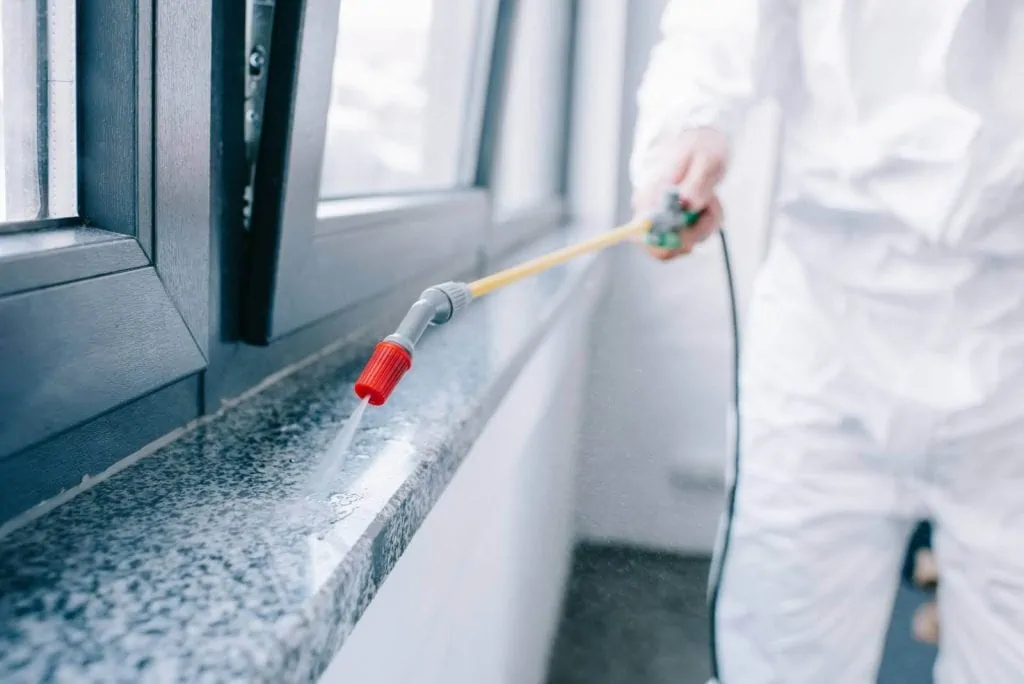
Rodent-Proofing Entry Points: Where to Seal Before the Freeze
As the temperature drops, rodents like mice and rats start searching for warmth, food, and shelter. Unfortunately, your home offers all three—especially if it has tiny cracks, vents, or gaps that act as hidden doorways.
Even the smallest openings are enough for rodents to squeeze through. A mouse can enter through a hole as small as a dime; a rat needs only a quarter-sized gap. Once they get inside, they build nests in insulation, chew through wiring, and contaminate food supplies.
Winter is the worst time to discover a rodent infestation—but the best time to prevent one. Proper rodent proofing before freezing weather sets in can save you thousands in pest control, repairs, and insulation replacement later.
This guide will show you where to inspect, what materials to use, and how to seal your home for long-term pest protection and energy efficiency.
Why Rodent-Proofing Matters Before Winter
During colder months, rodents are driven indoors by survival instincts. They seek environments that provide:
- Warmth: Heated homes and enclosed crawl spaces offer ideal temperatures.
- Shelter: Insulation, attics, and basements provide protection from predators.
- Food: Pantries, garbage bins, and even pet food bowls attract hungry pests.
If they find a way inside, rodents reproduce rapidly—an infestation can multiply from a few invaders to dozens within weeks. Worse, they bring health risks, spread disease, and cause costly structural damage.
🧱 The Hidden Dangers of Entry Points
Unsealed entry points don’t just invite pests; they also allow:
- Cold air drafts, raising heating bills.
- Moisture intrusion, leading to mold and wood rot.
- Poor indoor air quality, from contaminated insulation or crawl spaces.
By sealing cracks, vents, and other openings now, you create a tight, energy-efficient, and pest-resistant home before winter hits.
Step 1: Find the Most Common Rodent Entry Points
The first step in rodent proofing is inspection. Rodents are persistent and can climb, squeeze, or gnaw their way into your home through surprisingly small spaces.
Here’s where to check:
🏠 Exterior Foundation and Walls
Inspect the perimeter of your home, especially around:
- Cracks in the concrete foundation or brickwork.
- Openings near pipes, electrical conduits, and utility lines.
- Gaps where siding meets the foundation or roofline.
Tip: Use a flashlight to look for gnaw marks, oily smudges, or droppings—signs rodents are already using an opening.
🚪 Doors and Windows
Doors and windows are among the most common entry points.
- Check weather stripping and door sweeps for wear or gaps.
- Inspect basement windows and window wells for cracks or missing screens.
- Seal gaps around window frames with caulk or foam sealant.
Garage doors are another vulnerable area. A small gap under a garage door is an open invitation for rodents. Install a rubber gasket or metal threshold seal for a tight closure.
🌬 Vents and Exhaust Openings
Rodents often use vents as access points to crawl spaces, attics, or basements.
- Cover dryer vents, attic vents, and soffit openings with ¼-inch hardware cloth (metal mesh).
- Avoid plastic or fiberglass mesh—it can be chewed through easily.
- Make sure vent covers don’t restrict airflow.
🪟 Attic and Roof Openings
Attics are prime nesting spots because they’re warm, dry, and rarely disturbed.
Inspect:
- Gaps around chimneys, roof vents, and plumbing stacks.
- Loose shingles or flashing near roof edges.
- The underside of eaves and soffits for chew holes.
If you use spray foam insulation, ensure all cracks and seams are tightly sealed—it doubles as both an air barrier and pest deterrent.
🚰 Plumbing and Utility Penetrations
Rodents often enter through small spaces around pipes and cables that pass through walls or floors.
- Check under sinks, behind appliances, and in utility closets.
- Seal openings with steel wool combined with silicone caulk or expanding foam.
- For larger holes, install metal flashing or a wire mesh patch.
🧰 Crawl Spaces and Basements
Crawl spaces are common starting points for rodent infestations.
- Look for cracks along the foundation walls.
- Inspect access doors and vents for gaps or missing seals.
- Use vapor barriers and sump pumps to keep moisture low—rodents are attracted to damp areas.
If you’ve experienced a rodent issue before, consider scheduling a professional crawl space inspection to ensure complete protection.
Step 2: Choose the Right Materials for Rodent-Proof Sealing
Not all sealants are created equal. Rodents have sharp teeth and can chew through many common materials, including rubber, plastic, wood, and even soft metal.
Here’s what works best:
🪨 1. Steel Wool + Caulk Combo
For small cracks and gaps (less than 1 inch):
- Stuff steel wool tightly into the hole.
- Cover with silicone caulk or expanding foam to hold it in place.
Steel wool irritates rodents’ mouths, making it one of the most effective physical barriers.
🧱 2. Hardware Cloth or Copper Mesh
For larger openings or vents:
- Use ¼-inch galvanized hardware cloth or copper mesh.
- Secure it with screws and washers for durability.
Copper mesh won’t rust and is ideal for sealing gaps around plumbing and vents.
🔩 3. Metal Flashing or Cement
For wide gaps or recurring problem areas:
- Install sheet metal flashing around corners, garage doors, and siding seams.
- Use quick-dry cement for foundation cracks or masonry openings.
These permanent fixes prevent both rodents and water intrusion.
🧰 4. Expanding Foam Sealant
Use pest-resistant expanding foam (formulated with a bitter taste additive) to fill gaps around pipes, wires, and insulation voids.
Avoid overfilling, as excess foam can block ventilation or expand unevenly.
Step 3: Reinforce Rodent-Proofing with Pest Control Practices
Sealing entry points is crucial—but it works best when combined with good pest prevention habits.
🧹 Keep the Perimeter Clear
- Trim vegetation, shrubs, and branches away from the house.
- Store firewood and debris at least 20 feet from the foundation.
- Clear leaves and soil buildup that could hide entry points.
🗑 Manage Food and Waste Sources
- Keep trash bins tightly sealed and clean.
- Store pet food in rodent-proof containers.
- Avoid leaving birdseed or compost near the home’s perimeter.
💧 Control Moisture
Rodents need water to survive, so eliminate potential sources:
- Fix leaky faucets or outdoor spigots.
- Ensure gutters and downspouts direct water away from the foundation.
- Consider adding a French drain or sump pump in wet areas.
🕵️ Schedule Regular Inspections
Check your home every few months—especially before and after winter—for new cracks, gnaw marks, or droppings. Early detection is key to long-term prevention.
Step 4: Consider Professional Rodent-Proofing Services
If your home has multiple potential entry points or previous infestations, professional help can provide peace of mind.
A pest control specialist can:
- Conduct a full exterior and crawl space inspection.
- Identify hidden entry points (like roofline gaps or insulation damage).
- Apply commercial-grade sealants and barriers.
- Offer maintenance plans for ongoing rodent prevention.
Professionals can also coordinate with insulation or foundation contractors if structural repairs or sealing upgrades are needed.
Why Rodent-Proofing Also Improves Energy Efficiency
Rodent-proofing doesn’t just block pests—it seals air leaks that contribute to heat loss and high energy bills.
💡 Benefits Beyond Pest Control:
- Reduces drafts around doors and windows.
- Improves HVAC performance by keeping warm air inside.
- Maintains consistent indoor temperatures.
- Enhances indoor air quality by reducing dust and allergens.
Sealing cracks and gaps pays for itself in lower utility bills and a more comfortable home, especially during the coldest months.
Step 5: Create a Winter Maintenance Routine
Rodent-proofing isn’t a one-time project—it’s part of seasonal home maintenance.
🧭 Before Winter:
- Inspect all exterior walls and vents.
- Replace worn weather stripping and door seals.
- Clean gutters and downspouts to prevent overflow near the foundation.
🌤 During Winter:
- Monitor for new signs of rodent activity (sounds, droppings, odors).
- Keep attics, basements, and crawl spaces dry and well-ventilated.
🌷 After Winter:
- Recheck for damage caused by freezing, thawing, or snowmelt.
- Repair any cracks or gaps that may have reopened during cold-weather shifts.
A consistent inspection schedule ensures your home stays sealed, dry, and pest-free year-round.
Final Thoughts: Seal Now, Stay Protected All Winter
Winter is the season when rodents are most determined to invade. Once they find a way in, they can cause lasting damage that’s expensive to repair.
By inspecting your home’s entry points—from foundation cracks to attic vents—and sealing them with rodent-proof materials, you’re not just stopping pests; you’re protecting your home’s structure, energy efficiency, and air quality.
Don’t wait until you hear scratching in the walls—act before the freeze.
✅ Seal cracks and gaps.
✅ Cover vents and openings.
✅ Maintain clean, dry surroundings.
✅ Enjoy peace of mind all winter long.
📞 Ready for a professional inspection or rodent-proofing service? Contact your local pest control expert today and prepare your home for a safe, warm, and pest-free winter season.